Electrical emergencies don't wait for business hours. Learn the warning signs that require an immediate call to a licensed emergency electrician in Cook County, IL.
Share:
Summary:
Not every electrical hiccup requires a midnight service call. A single light bulb that burns out or an outlet that stops working in your guest room can usually wait until morning.
But certain situations create immediate fire risks or safety hazards that get worse by the hour. Any electrical issue that involves burning smells, visible sparks, smoke, or complete power loss to your home qualifies as an emergency. So does anything that feels hot to the touch, makes unusual sounds, or gives you an electric shock.
If you’re questioning whether your situation is urgent, that uncertainty itself is reason enough to call. We can assess your symptoms over the phone and tell you whether you need immediate help or can schedule a standard appointment.
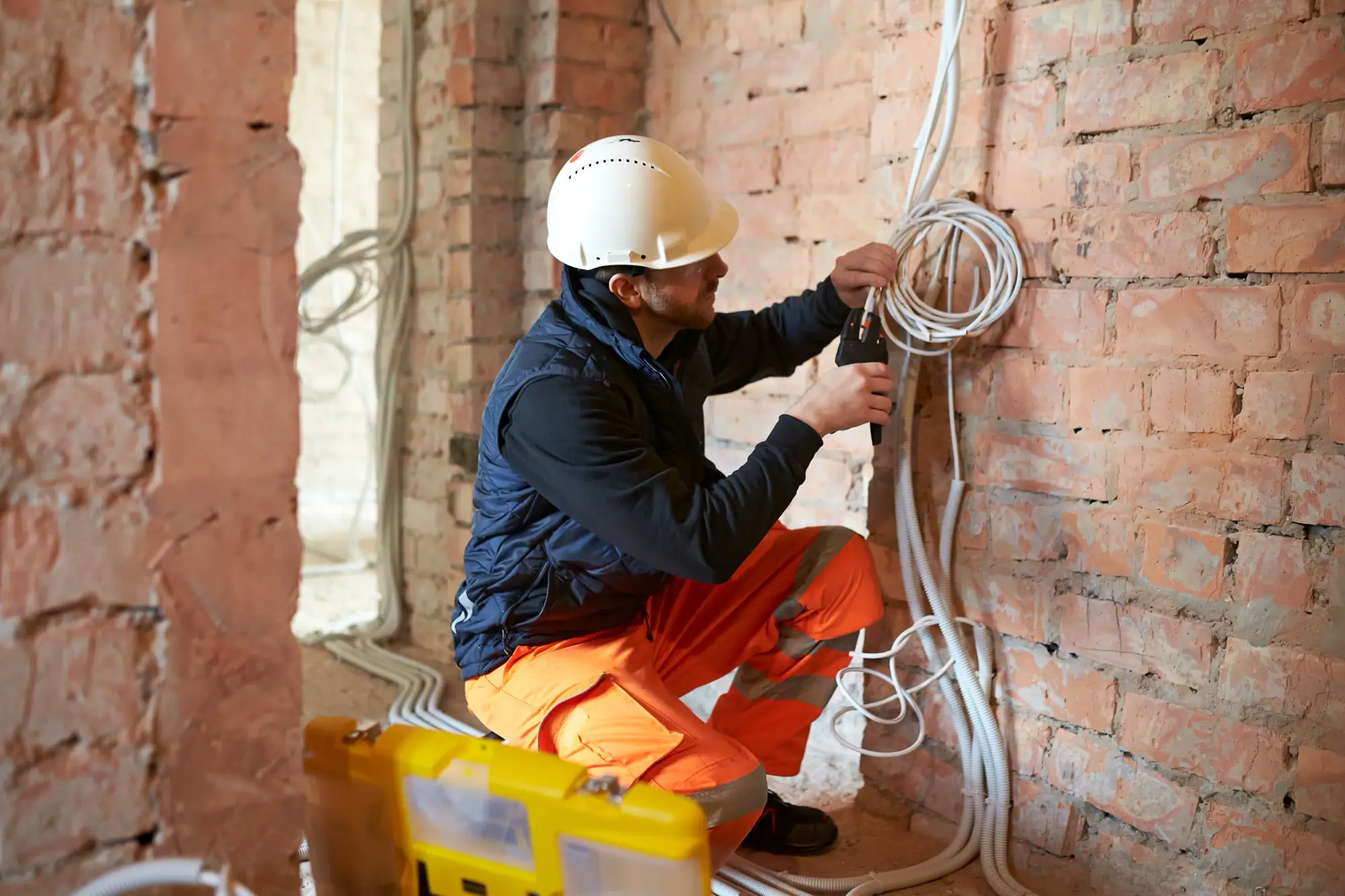
A burning smell near your electrical system is one of the most serious warning signs you can encounter. The odor often resembles burning plastic, hot rubber, or sometimes even fish. That smell means electrical components are overheating right now, and the insulation around your wires is melting.
When wiring insulation melts but hasn’t started burning yet, many people describe the smell as fishy rather than like burning plastic. Either way, this is your electrical system sending a distress signal that it’s operating at dangerous temperatures. The smell indicates that wires, outlets, or connections are failing, and you’re in the early stages of what could become an electrical fire.
Home electrical fires account for an estimated 51,000 fires each year in the United States, causing nearly 500 deaths and over $1.3 billion in property damage. Many of these fires start with the exact warning sign you’re smelling right now. The smell itself can appear without visible smoke or flames, making it your first and most critical warning before a fire actually starts.
If you smell burning near any electrical component, your immediate priority is safety. Turn off power to that area at your circuit breaker if you can reach it safely. Don’t touch the outlet, switch, or panel that’s producing the odor. Unplug anything connected to outlets in that area.
Then call us immediately. This isn’t a situation where you wait to see if the smell goes away. Electrical fires can escalate from a small problem to a major disaster in as little as 30 seconds once they actually ignite. What seems like a minor burning smell can be wires cooking inside your walls where you can’t see the damage developing.
Cook County and Will County homes, especially older properties, often have wiring that’s been in place for decades. That aging infrastructure combined with modern electrical demands creates the perfect conditions for overheating. We have specialized tools to locate the exact source of overheating, even when it’s hidden behind walls, and can make permanent repairs that eliminate the fire risk completely.
Seeing sparks from an outlet or your electrical panel is never normal, and it always indicates a serious problem. While you might occasionally see a tiny, quick spark when plugging something in, any spark that’s large, leaves a burning smell, makes noise, or leaves scorch marks requires immediate professional attention.
Sparks happen when electricity arcs between conductors, which means current is jumping across a gap it’s not supposed to cross. This can occur because of loose wiring connections, damaged outlets, short circuits, or failing breaker components. Each time you see a spark, you’re watching a small electrical fire happen in real time.
The danger with sparking is that it indicates your electrical system has lost its protective barriers. Properly functioning outlets and panels keep all electrical current contained within the wiring and components. When sparks appear, those protective barriers have failed, and electricity is escaping where it shouldn’t. This creates immediate fire and shock risks.
If you see sparks from an outlet, stop using it immediately. Don’t plug anything else into it, and don’t try to investigate the problem yourself by removing the outlet cover or touching any wires. Turn off the circuit breaker controlling that outlet if you know which one it is. The same applies to sparking from your electrical panel. If you see sparks, smoke, or flames coming from the panel itself, turn off your main breaker if it’s safe to do so and evacuate.
Sparking from your breaker panel is particularly serious because it indicates problems with the heart of your electrical system. The panel distributes power to every circuit in your home, and any malfunction there can affect your entire house. Breaker panels that spark often have loose connections, corrosion, or components that have failed due to age or overheating.
We respond to sparking situations with the understanding that you’re dealing with an active fire hazard. We arrive with the diagnostic equipment needed to identify why the sparking is occurring, whether it’s isolated to one component or indicates broader system problems, and what repairs will permanently eliminate the danger. This isn’t work you can postpone or attempt yourself. Sparking components can ignite surrounding materials, and the problem typically gets worse, not better, with time.
Want live answers?
Connect with a Jimco Electric expert for fast, friendly support.
When your power goes out, the first thing to check is whether your neighbors still have electricity. If their lights are on and yours aren’t, you’re not dealing with a utility company issue. You’re dealing with an electrical problem inside your home, and it requires immediate attention.
A power outage that’s localized to just your house usually points to a main breaker failure, a problem with your service line, or a serious issue with your electrical panel. These aren’t situations that resolve themselves, and they often indicate damage or failure that poses fire risks even when the power is off.
Complete loss of power to your home is different from a tripped circuit breaker that affects one room or area. When everything goes dark, it means the main electrical supply to your house has been interrupted, which is a significant failure that needs professional diagnosis and repair.
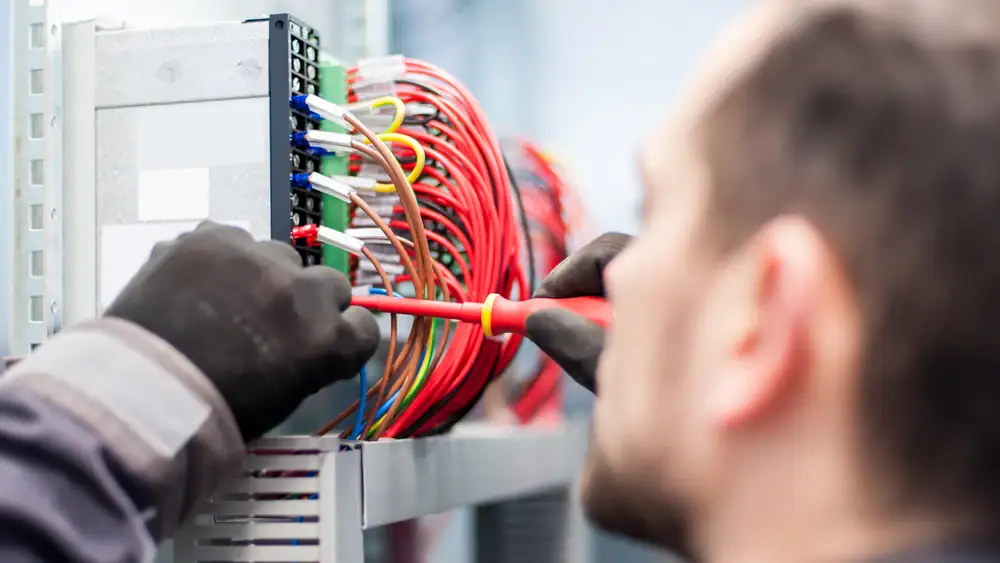
Circuit breakers are designed to trip occasionally. They’re protecting your home by cutting power when they detect problems. But if you’re resetting the same breaker multiple times a day, or if a breaker trips immediately every time you try to reset it, you’re dealing with an electrical emergency.
Frequent tripping means your circuit is either overloaded, experiencing a short circuit, or has a ground fault. An overload happens when you’re running too many high-powered devices on one circuit, asking it to carry more electrical current than it was designed to handle. The wires heat up, and the breaker trips to prevent them from overheating to the point of causing a fire.
A short circuit is more dangerous. It occurs when a hot wire touches a neutral wire or another conductive surface, creating a path of almost no resistance. This causes a massive surge of current that can generate enough heat to start a fire instantly. Short circuits often produce sparks, popping sounds, and sometimes smoke. They can be caused by damaged wiring, loose connections, faulty appliances, or even pests chewing through wire insulation.
Ground faults are similar to short circuits but happen when a hot wire touches a ground wire or a grounded metal surface. These are particularly common in areas with moisture, like kitchens, bathrooms, and outdoor outlets. Ground faults create serious shock hazards and can be fatal if someone comes into contact with the affected appliance or outlet.
When a breaker trips once and stays reset after you turn it back on, you might have just overloaded the circuit temporarily. But when it trips repeatedly, especially if it trips immediately upon resetting, you have a problem that’s actively dangerous. Don’t keep resetting a breaker that won’t stay on. Each time it trips, it’s preventing a fire or electrical failure.
Many homeowners in Cook County live in older homes where the electrical system wasn’t designed for modern power demands. Adding computers, large TVs, kitchen appliances, and charging stations to a system that was built for a few lights and a refrigerator creates constant overload conditions. But the solution isn’t to keep resetting breakers or replacing them with higher-amp versions. The solution is having us assess whether your circuits need to be redistributed, upgraded, or whether your panel needs replacement to safely handle your current electrical needs.
Attempting to fix tripping breakers yourself is dangerous for several reasons. First, you’re working with live electrical components that can deliver fatal shocks. Second, the problem might not be the breaker itself but damaged wiring behind your walls that you can’t see. Third, making incorrect repairs or using the wrong amperage breaker can eliminate the safety protection your breakers provide, allowing dangerous overheating to continue until it causes a fire.
Your electrical system should operate silently. If you hear buzzing, humming, crackling, or popping sounds from your breaker panel, outlets, or switches, you’re hearing electricity behaving abnormally. These sounds indicate loose connections, failing components, or electrical arcing, all of which create immediate fire and shock hazards.
A buzzing breaker panel often means a circuit breaker is failing to trip when it should, or that connections inside the panel have become loose. Loose connections create resistance, and resistance creates heat. That heat can eventually cause components to fail, wires to melt, or fires to start inside the panel. Since your electrical panel is the central distribution point for all the electricity in your home, any malfunction there is serious.
Outlets and switches that feel warm or hot to the touch are equally concerning. Electrical components should never generate noticeable heat during normal operation. If an outlet feels hot, it means excessive current is flowing through it, connections are loose, or the outlet itself is failing. Hot outlets are a common precursor to electrical fires because the heat degrades the outlet’s internal components and can ignite surrounding materials.
The same applies to light switches. A switch that feels warm when you touch it, especially if it’s also making buzzing or crackling sounds, is experiencing problems that will get worse. The heat indicates that electricity is meeting resistance somewhere it shouldn’t, and that resistance is converting electrical energy into heat energy right inside your wall.
Many electrical fires start inside walls where homeowners can’t see the problem developing. By the time you notice smoke or flames, the fire has been smoldering for a while. But before visible fire appears, you often get warning signs like heat, unusual sounds, or burning smells. These early warnings are your opportunity to prevent a fire rather than fight one.
If you discover a hot outlet or switch, stop using it immediately. Don’t plug anything into a hot outlet, and don’t operate a hot switch. Turn off the circuit breaker for that area if you can identify which breaker controls it. Then call us to diagnose and repair the problem before it escalates.
We use thermal imaging cameras and other diagnostic tools to detect hot spots in your electrical system that aren’t yet visible or obvious. We can identify failing connections, overloaded circuits, and components that are operating at dangerous temperatures. More importantly, we can make the repairs needed to eliminate the heat source and restore safe operation.
In Cook County’s older homes, outlets and switches that have been in place for decades often develop these problems as connections loosen and components wear out. The fix might be as simple as replacing a worn outlet or tightening connections, or it might reveal that your home needs broader electrical updates to meet modern safety standards. Either way, addressing the problem now prevents the much more expensive and dangerous situation of dealing with an electrical fire later.
Electrical emergencies don’t give you time to research, compare, or wait until business hours. When you smell burning, see sparks, or lose power, you need a licensed electrician who answers the phone immediately and arrives prepared to fix the problem tonight, not tomorrow.
The warning signs we’ve covered-burning smells, sparking outlets, frequent breaker trips, unusual sounds, and hot components-all indicate active safety hazards that get worse with time. Ignoring these signs or attempting DIY repairs puts your family and your home at serious risk. Professional electricians have the training, tools, and experience to diagnose problems correctly and make permanent repairs that eliminate fire and shock hazards.
If you’re experiencing any electrical emergency in Cook County or Will County, we provide 24/7 emergency response with licensed electricians who understand the urgency of your situation. Your safety comes first, and electrical problems don’t wait for convenient timing.
Article details:
Share:
Continue learning: