LED lighting slashes energy use by up to 85% while lasting 25 times longer than traditional bulbs-here's what that means for your home and wallet.
Share:
Summary:
LEDs use drastically less electricity than the bulbs most homes still have. A standard 60-watt incandescent bulb can be replaced with an LED that uses only 8-10 watts while producing the same amount of light. That’s roughly 80-85% less energy for the same brightness.
In Cook County, IL, where electricity runs about 17 cents per kilowatt-hour, that difference adds up fast. Lighting typically accounts for around 15% of your home’s total electricity use. For an average household, switching to LED lighting can save $200-400 per year on electric bills.
The math is straightforward. If you’re running 20 bulbs for about 5 hours a day, incandescent lighting would consume around 1,095 kilowatt-hours annually. LEDs doing the same job? About 365 kilowatt-hours. That gap shows up on every single bill.

Beyond the energy savings, there’s the lifespan factor. Traditional incandescent bulbs burn out after about 750 to 1,000 hours of use. If you’re using a light fixture regularly, that’s maybe a year before you’re climbing a ladder to replace it again.
LED bulbs last 15,000 to 25,000 hours. In practical terms, that’s 15 to 25 years if you’re using the light for about three hours a day. Even in high-use areas like kitchens or living rooms, you’re looking at a decade or more before needing a replacement.
This matters more than you might think. Replacement costs add up-not just the price of new bulbs, but the time spent shopping for them, the inconvenience of fixtures going dark, and the hassle of changing bulbs in hard-to-reach places like vaulted ceilings or outdoor fixtures.
For recessed lighting or under-cabinet installations where access isn’t simple, longer bulb life means fewer service calls and less disruption to your routine. You’re not constantly dealing with burned-out lights, and you’re not paying someone to come replace them every year.
There’s also less waste. One LED bulb replaces 15 to 25 incandescent bulbs over its lifetime. That’s fewer trips to the store, less packaging waste, and a smaller environmental footprint without any extra effort on your part.
The durability of LEDs plays a role too. They’re built with solid-state components rather than fragile filaments, so they handle vibration, temperature changes, and Chicago’s cold winters better than traditional bulbs. They don’t just last longer on paper-they actually hold up in real-world conditions.
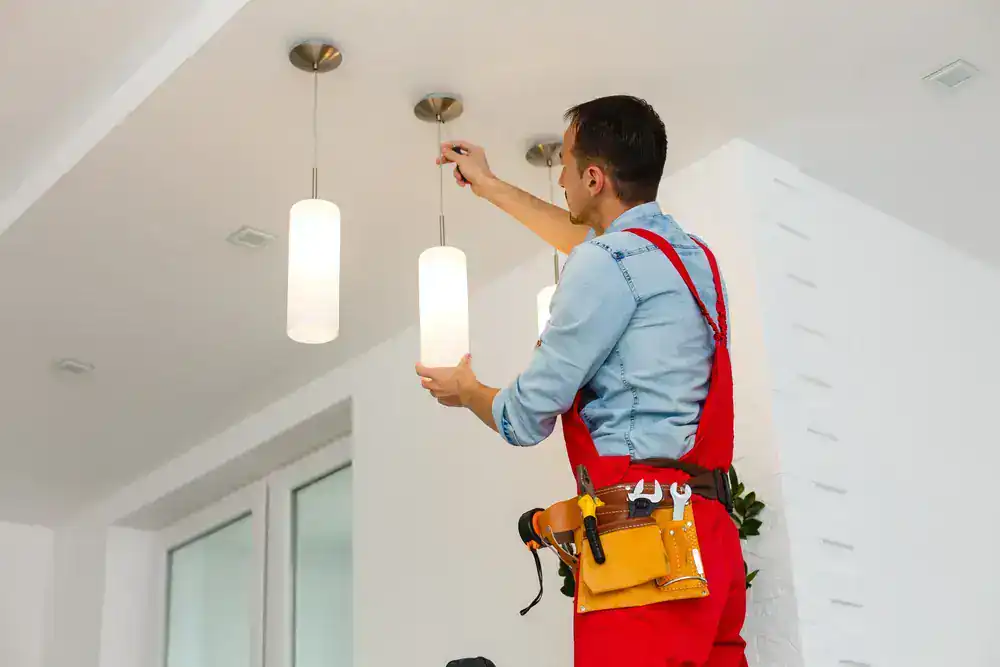
Some LED upgrades are as simple as unscrewing an old bulb and screwing in a new one. But if you’re doing recessed lighting, under-cabinet installations, or converting fixtures that weren’t designed for LEDs, professional installation makes sense.
LEDs operate differently than incandescent bulbs. They require compatible dimmer switches if you want dimming capability. Some fixtures need rewiring to handle the lower voltage properly. And if you’re adding new lighting-like recessed cans in a kitchen or LED strips under cabinets-that involves electrical work that goes beyond basic bulb replacement.
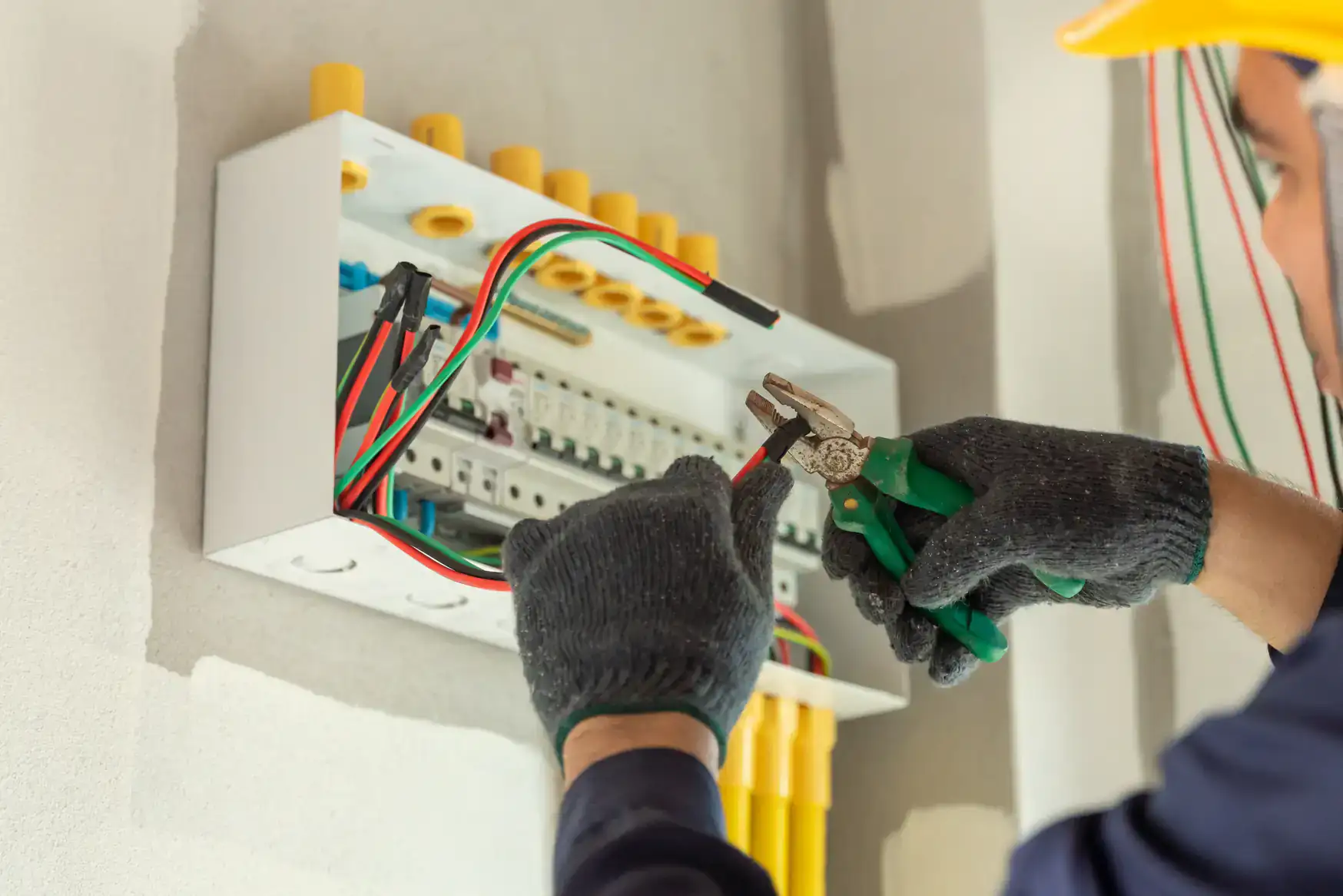
A licensed electrician evaluates your existing wiring to make sure it can handle LED installations without issues. We check circuit loads, ensure proper connections, and verify that everything meets local electrical codes. In Chicago and throughout Cook County, IL and Will County, IL, certain installations require permits, and we handle that process.
Professional installation also protects warranties. Many LED fixtures and systems come with multi-year warranties, but those warranties often require installation by a licensed professional. DIY installations can void coverage, leaving you without recourse if something fails prematurely.
The installation process for recessed lighting typically involves cutting openings in ceilings, running wiring to each fixture location, connecting to your electrical system, and securing fixtures properly. For under-cabinet lighting, it means routing wiring through or behind cabinets, connecting power supplies, and ensuring everything is mounted securely and safely.
Smart LED systems add another layer of complexity. These systems integrate with home automation platforms, require proper network setup, and often need specialized wiring for controls and switches. Getting these systems working correctly from the start saves frustration and ensures you actually get the benefits you’re paying for.
We also assess whether your current electrical panel can handle additional lighting loads. Older homes sometimes need panel upgrades or circuit additions to support new lighting installations safely. Identifying these needs upfront prevents problems down the road.
Want live answers?
Connect with a Jimco Electric expert for fast, friendly support.
Not all LED lighting serves the same purpose. Recessed lighting works well in kitchens, bathrooms, and living areas where you want even, overhead illumination. Under-cabinet LEDs provide task lighting for kitchen counters. Outdoor LED fixtures handle security and landscape lighting.
Each application has different requirements. Recessed lighting needs proper spacing and placement to avoid dark spots or over-lighting. Under-cabinet lighting requires careful positioning to eliminate shadows on work surfaces. Outdoor fixtures must withstand weather and temperature extremes.
Color temperature matters too. Warm white LEDs (around 2700-3000K) create a cozy atmosphere similar to traditional incandescent bulbs. Cool white options (4000-5000K) provide brighter, more focused light that’s better for task areas. Choosing the right color temperature for each space affects how comfortable and functional your lighting feels.
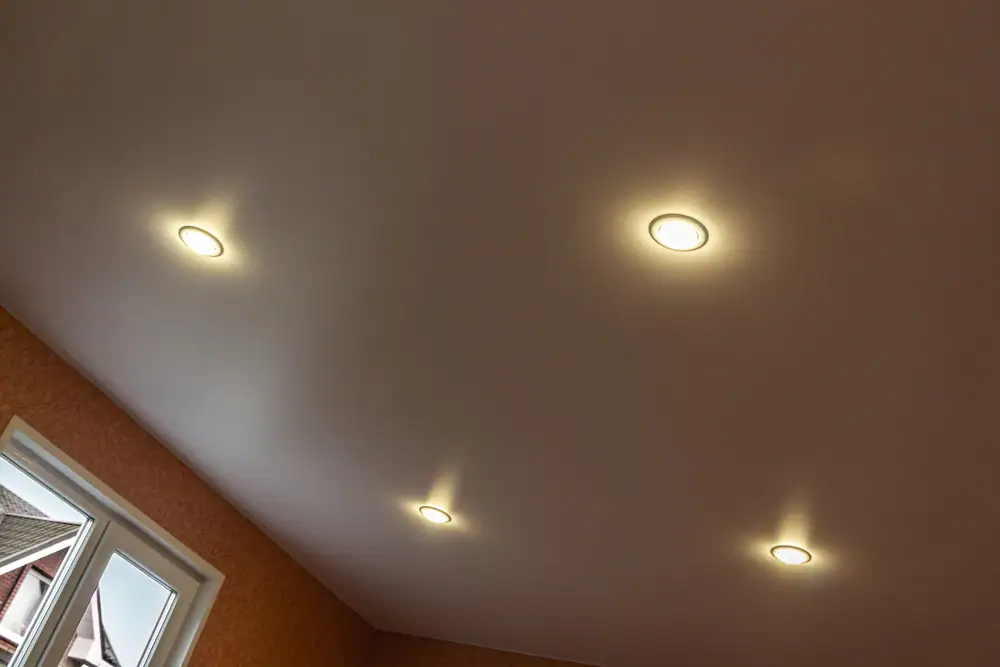
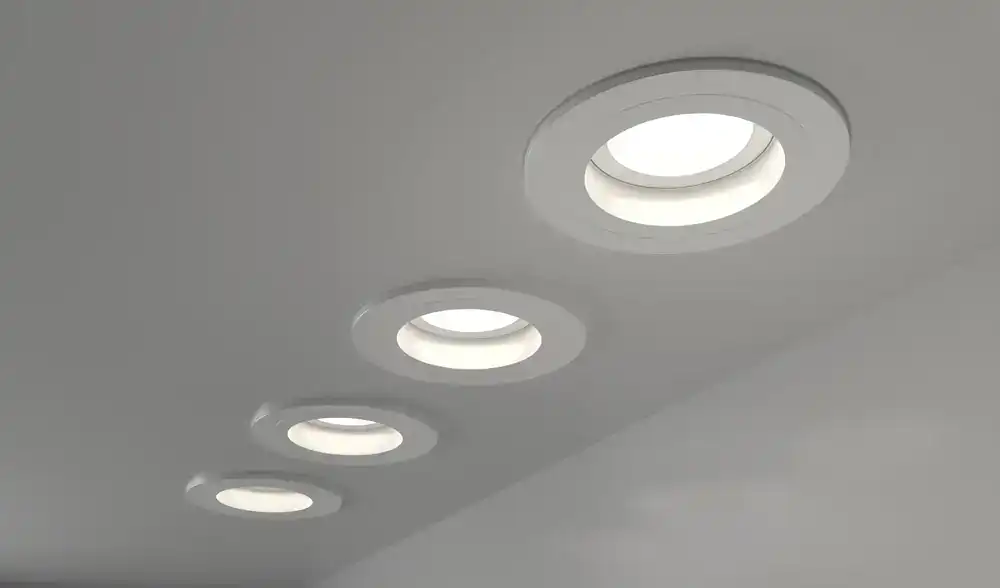
Recessed lighting gives you a clean, modern look without fixtures hanging down from the ceiling. It’s particularly useful in rooms with lower ceilings or where you want unobtrusive lighting that doesn’t compete with your décor.
LED recessed lights fit into existing ceiling cans in many cases, making retrofits relatively straightforward. For new installations, the process involves cutting openings, installing housings, running wiring, and connecting to your electrical system. The result is lighting that blends into your ceiling while providing excellent illumination.
Spacing matters. Place recessed lights too far apart and you get dark patches. Too close together and you’re wasting fixtures and energy. We calculate proper spacing based on your ceiling height and room dimensions to ensure even coverage.
The color temperature you choose affects how the room feels. Kitchens often benefit from cooler, brighter light (around 4000K) that makes food prep easier and colors more accurate. Living rooms typically work better with warmer tones (2700-3000K) that create a more relaxed atmosphere.
Dimming capability adds flexibility. You can have bright light for tasks and dim it down for movie nights or evening relaxation. This requires compatible LED bulbs and dimmer switches designed for LED technology-older dimmers often cause flickering or buzzing with LED lights.
Installation costs for recessed LED lighting typically run $130-300 per fixture, including materials and labor. That might seem high compared to a simple bulb replacement, but you’re getting professional installation that lasts for years, proper wiring that meets code, and lighting that actually works the way it should.
Under-cabinet LED lighting transforms kitchen functionality. It eliminates shadows on countertops, makes food prep easier, and adds a polished look to your kitchen. LED strips or light bars mount beneath upper cabinets, providing focused light exactly where you need it.
These installations require running wiring through or behind cabinets, connecting to power supplies, and ensuring everything is mounted securely. The wiring needs to be concealed for a professional appearance, and the lighting positioned to avoid glare while maximizing coverage.
Smart LED systems take things further. You can control lighting from your phone, set schedules, and integrate with other home automation devices. Motion sensors automatically turn lights on when you enter a room and off when you leave, eliminating wasted energy.
Voice control through systems like Alexa or Google Assistant adds convenience. You can adjust lighting without getting up, which is helpful when your hands are full or you’re settled in for the evening. It’s a small luxury that becomes part of your daily routine quickly.
Scheduling features let you program lights to turn on at sunset or off when you typically leave for work. This creates a lived-in appearance when you’re away, provides security benefits, and ensures you’re not paying for lights that don’t need to be on.
The initial cost of smart LED systems runs higher than standard LEDs, but the energy management features can increase savings. The ability to schedule lights, use motion sensors, and control everything remotely means you’re only using light when and where you actually need it.
Professional installation ensures smart systems work correctly from the start. We can integrate them with your home’s electrical setup, configure network connections, and troubleshoot compatibility issues that commonly trip up DIY installations.
LED lighting delivers measurable savings through lower energy consumption and dramatically reduced maintenance. The technology is proven, the costs have come down, and the benefits extend beyond just cutting your electric bill.
Professional installation ensures your LED lighting works correctly, meets local codes, and maintains warranty coverage. For anything beyond simple bulb replacement-recessed lighting, under-cabinet installations, or smart systems-working with a licensed electrician protects your investment and prevents problems.
If you’re ready to reduce your monthly electric costs and upgrade your home’s lighting quality, we can evaluate your current setup and recommend LED solutions that fit your needs and budget. With 25 years of experience serving homeowners throughout Cook County, IL and Will County, IL, we handle everything from straightforward retrofits to complete lighting system upgrades.
Article details:
Share:
Continue learning: