Thinking about installing an EV charger at home? The total cost depends on your electrical setup, charger type, and whether you need a panel upgrade-but Illinois rebates can cover most of it.
Share:
Summary:
Most homeowners installing a Level 2 EV charger in Illinois spend somewhere between $800 and $2,500 for the complete job. That includes the charger itself, labor, permits, and materials. But here’s the thing-your home might fall outside that range depending on a few key factors.
The charger unit runs anywhere from $300 to $1,200 depending on features and amperage. Installation labor typically adds another $400 to $1,500. Permits in Cook County and Will County usually cost $50 to $300.
What really moves the needle is your electrical panel’s current capacity and how far we need to run new wiring. If your panel can’t safely handle the additional load, you’re looking at a panel upgrade that adds $1,000 to $3,000 to the project.
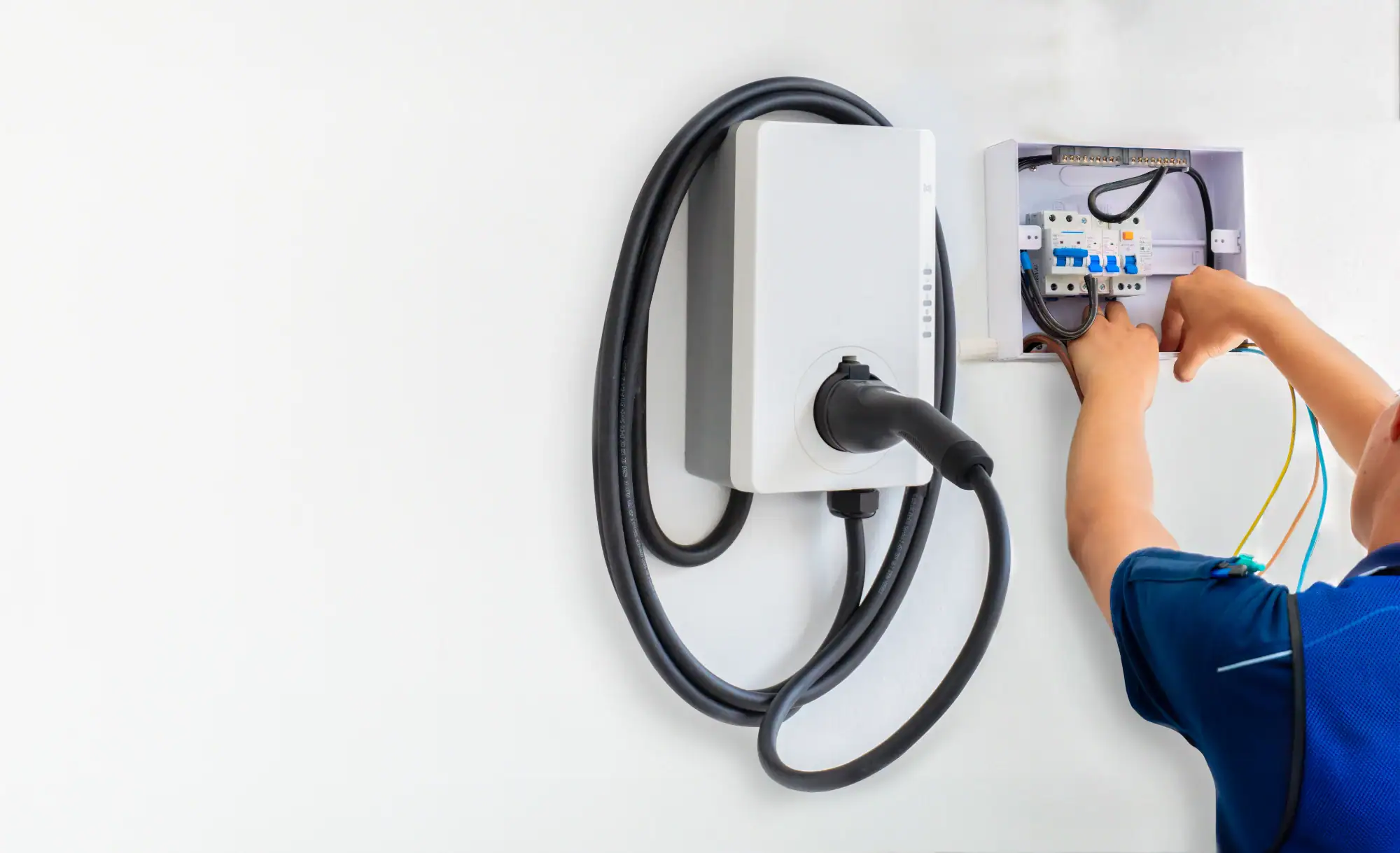
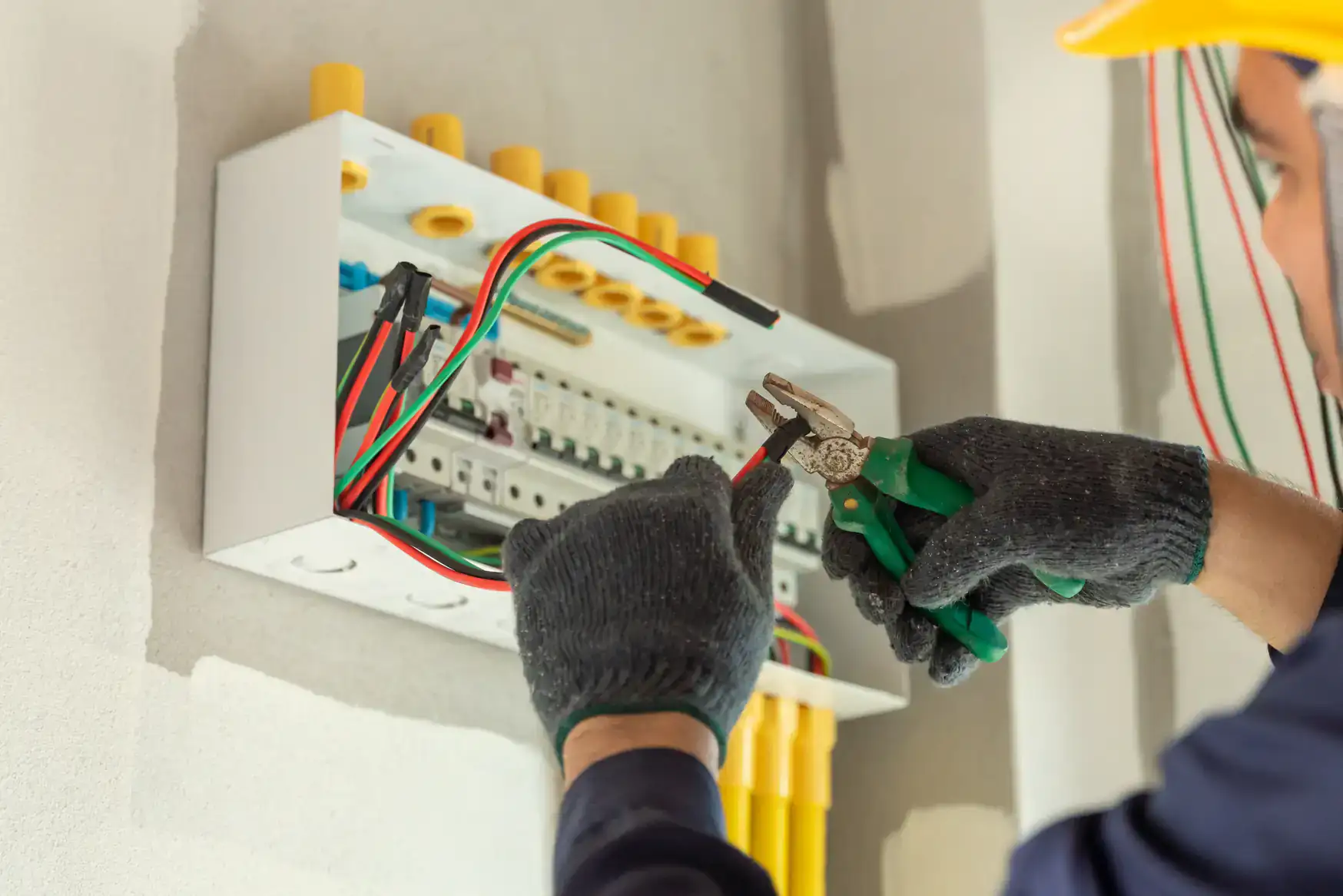
Your electrical panel is the distribution hub for your home’s power. It’s rated in amps-usually 100, 150, or 200. That number tells you how much total electricity can flow through your home at once.
A Level 2 EV charger needs a dedicated 240-volt circuit with 40 to 60 amps of capacity. That’s similar to what an electric dryer pulls, except you’ll probably be using it every night. If your panel is already running near capacity, adding an EV charger could push it over the edge.
Here’s where it gets interesting. Most people assume they’ll need a Panel upgrade , but that’s not always true. If you have a 200-amp panel-common in newer homes-you’re usually in good shape as long as you’re not already maxed out. Many Illinois homes built before 1990 have 100-amp panels, and those often do need upgrading. But even then, there are alternatives.
Load management systems and circuit-sharing devices can sometimes let you install a Level 2 charger without a full panel upgrade. These devices monitor your home’s real-time power use and adjust your EV’s charging rate based on what’s available. We can run a load calculation to figure out exactly what your home needs. That calculation factors in your square footage, major appliances, heating and cooling systems, and typical electrical demand.
The reality is that only about 20 to 30 percent of homes actually need a panel upgrade for EV charging. But if you do need one, it’s not just about the charger. You’re future-proofing your home for other electrical demands-heat pumps, induction stoves, additional circuits. It’s an investment that goes beyond just plugging in your car.
Panel upgrades in the Chicago area typically cost between $1,000 and $3,000 depending on complexity and amperage. The good news is that there’s a federal tax credit covering 30% of panel upgrade costs, up to $600, available through December 2025.
The distance between your electrical panel and where you park your car directly impacts labor time and material costs. If your garage shares a wall with your electrical panel, installation stays on the lower end of the cost range. We don’t need to run long wires or navigate through finished walls.
But if your panel sits on the opposite side of your house, or if you need outdoor installation, expect to pay more. Running conduit across your basement ceiling, through finished drywall, or underground to a detached garage adds both time and materials. You’re looking at roughly $2 to $4 per linear foot for wiring and conduit.
Outdoor installations require weatherproof conduit, exterior-rated boxes, and additional sealing to prevent moisture issues. That typically adds $200 to $1,000 compared to a simple indoor garage setup. Every foot of distance matters because it’s not just the wire-it’s the labor to properly route and protect it according to code.
Some homeowners get creative about charger placement to keep costs down. Mounting the charger on the wall closest to your house rather than the far garage wall can save significant money. If your electrical panel is in your basement directly below your garage, you’re in an ideal situation. Short runs with easy access mean lower costs and faster installation.
The type of installation also matters. You can choose between a hardwired charger (permanently connected to your electrical system) or a plug-in model that uses a NEMA 14-50 outlet. Plug-in setups tend to be cheaper and more flexible because you’re essentially adding a high-powered outlet. Hardwired installations require direct connection to your panel but can handle higher amperage if your vehicle supports it.
Want live answers?
Connect with a Jimco Electric expert for fast, friendly support.
This is where the cost equation changes significantly. ComEd customers in northern Illinois-including Cook County and Will County-can receive rebates up to $2,500 for Level 2 charger purchase and installation. That’s not a typo. For many homeowners, the rebate covers most or all of the installation cost.
There are two rebate tiers. Standard customers qualify for up to $1,000. Select Customers in equity-eligible communities or with household income at or below 80% of Illinois median income can receive up to $2,500. The rebate cannot exceed your actual installation cost, so if your project costs $1,800, that’s your cap.
On top of the ComEd rebate, there’s a federal tax credit worth 30% of your installation costs, up to $1,000. This credit is available through June 2026. You can stack the ComEd rebate with the federal credit, which means a $2,500 installation could potentially cost you very little out of pocket after incentives.
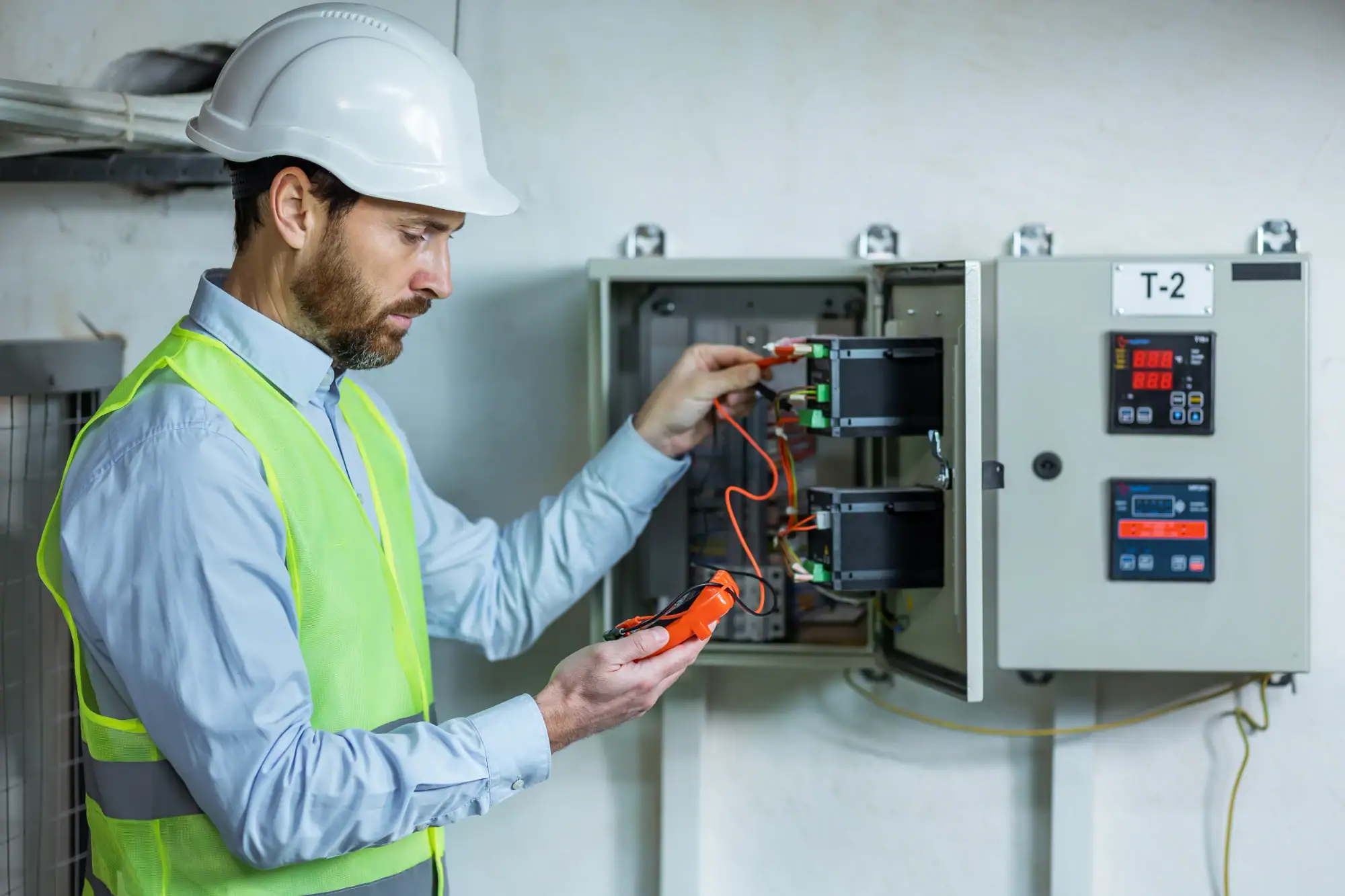
ComEd’s rebate program has specific requirements, and you need to meet all of them to qualify. First, you must be a ComEd residential customer living in a single-family home or multi-family residence with two units or fewer. The charger must be a WiFi-enabled Level 2 smart charger purchased on or after February 1, 2024.
Popular qualifying chargers include the ChargePoint Home Flex, Tesla Wall Connector (Gen 3 or newer), JuiceBox 40, and Emporia Smart EV Charger. Basic WiFi-enabled models start around $400, while premium options with longer cables or advanced features can exceed $900.
Installation must be performed by an Illinois Commerce Commission certified EV Service Provider. This is non-negotiable. If your installer isn’t ICC-certified, your charger won’t qualify for the rebate. We handle the rebate application on your behalf and typically apply the rebate amount to your installation quote, reducing your out-of-pocket cost.
You also must enroll in ComEd Hourly Pricing or a similar time-of-use plan and stay enrolled for at least three years. This requirement actually works in your favor because charging during off-peak hours (typically 10pm to 6am) can save you 50 to 60 percent on charging costs. Most EV owners charge overnight anyway when electricity rates are lowest.
The application must be submitted within 90 days of installation. We’ll need proof of purchase, our ICC license number, photos of the installation, and a completed rebate application from ComEd’s website. The rebate is typically paid to us as your installer, and we apply it directly to reduce your final bill.
Timing matters with these rebates. ComEd’s program operates on a first-come, first-served basis, and funds run out each year. In 2025, ComEd committed $9 million for residential charger rebates. Over 7,200 charging ports have been funded to date across northern Illinois. If you’re planning to install a charger, don’t wait until the end of the year when funding might be depleted.
There’s a lot of confusion about panel upgrades, and it’s costing homeowners money. Many electricians will recommend a panel upgrade out of caution or because it’s the simpler path. But the truth is that most homes don’t need one.
If you have a 200-amp panel and it’s not already operating near capacity, you’re usually fine. The issue is that you need a dedicated circuit with 40 to 60 amps for a Level 2 charger. If your panel has available breaker slots and enough capacity, we just add a new circuit. That costs $60 to $150-far less than a full panel upgrade.
If you have a 100-amp panel, the conversation gets more complicated. These panels are common in older Illinois homes, especially those built before 1990. A 100-amp panel can typically support two or maybe three 240-volt appliances like an air conditioner, electric dryer, and electric water heater. Adding an EV charger often pushes it over the limit.
But here’s what many homeowners don’t know: you might not need a full panel upgrade even with a 100-amp system. Load management devices and circuit-sharing systems have become industry standard alternatives. These devices monitor your home’s real-time power consumption and automatically adjust your EV’s charging rate based on available capacity. If your dryer is running, the system reduces power to the charger. When the dryer shuts off, full power flows back to your EV.
Circuit-sharing devices can also let two appliances safely share the same circuit. For example, if you have an electric dryer in your garage, a sharing device can split that circuit between the dryer and your EV charger. When the dryer runs, it gets all the power. When it’s off, the charger gets everything. This can eliminate the need for running a new circuit entirely.
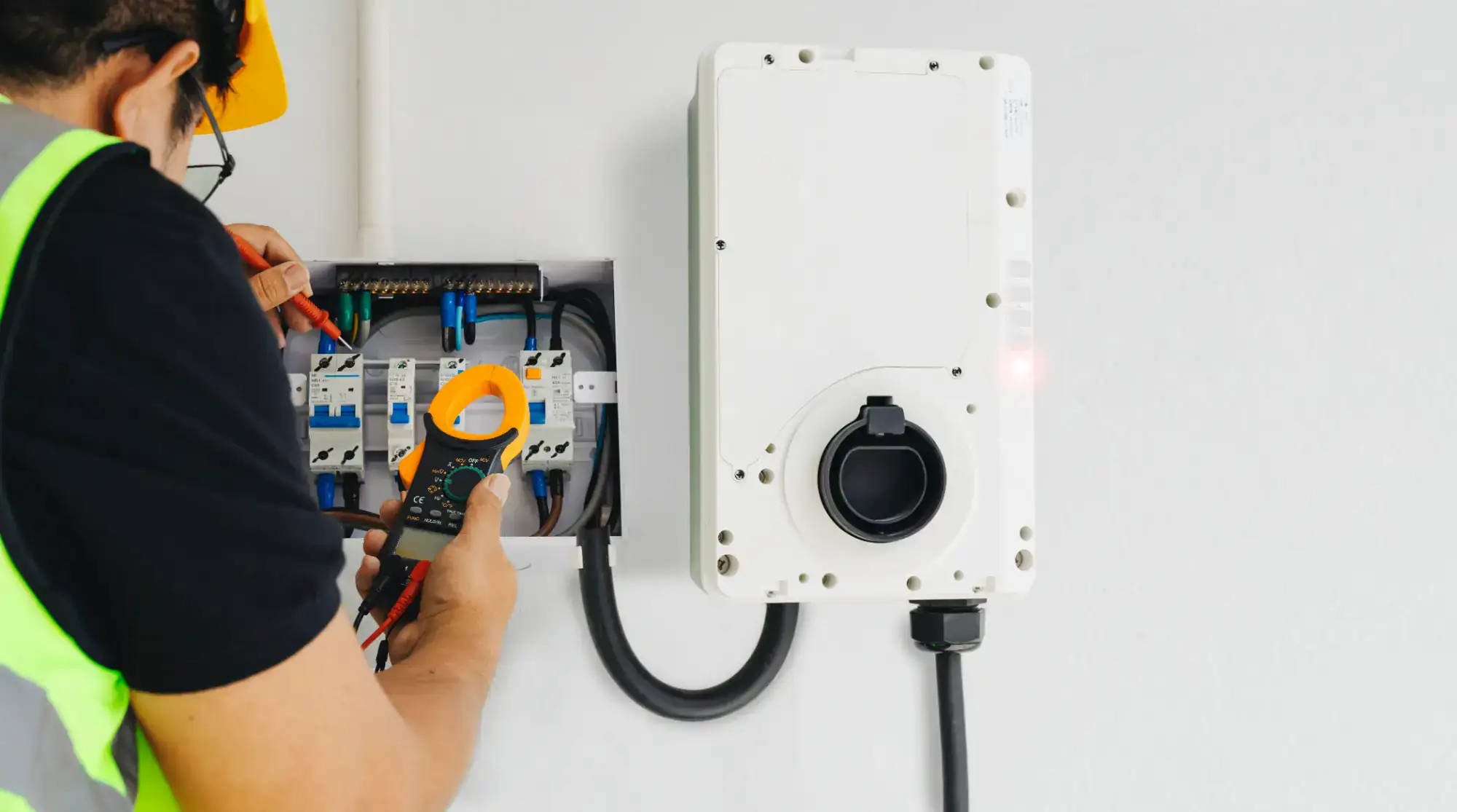
We perform a load calculation before recommending any upgrades. This calculation accounts for your home’s square footage, all major appliances, heating and cooling systems, and typical energy usage patterns. It’s the only way to know for certain what your panel can handle. Some electricians skip this step and default to recommending upgrades because it’s easier or reduces their liability. That’s not necessarily what’s best for you.
If you do need a panel upgrade, it’s not the end of the world. You’re not just preparing for an EV charger-you’re modernizing your home’s entire electrical system. Upgraded panels improve safety, reduce fire risk, increase property value, and give you capacity for future electrical needs. It’s an investment that pays forward.
Installing an EV charger at home comes down to three things: understanding what your electrical system can handle, choosing the right equipment, and working with an electrician who knows the local requirements and rebate programs. Most installations in Cook County and Will County fall between $800 and $2,500, but ComEd’s rebates and federal tax credits can cover a significant portion of that cost.
The key is getting an accurate assessment before you commit to anything. A proper load calculation tells you whether you actually need a panel upgrade or if alternatives will work. An ICC-certified installer ensures you qualify for available rebates. And transparent pricing means you know exactly what you’re paying for.
If you’re ready to move forward with home EV charging, we’ve been handling residential electrical work in the Illinois area for 25 years. We’re licensed, bonded, and insured, with experience in panel upgrades, circuit additions, and the kind of electrical work that EV charger installations require. Reach out to get a clear assessment of what your home needs and what it’s going to cost.
Article details:
Share:
Continue learning: