
Hear from Our Customers
You flip a switch and the lights flicker. You plug in your phone and the outlet feels warm. Your breaker trips again for the third time this week. These aren’t minor annoyances—they’re warnings that something in your electrical system needs attention now.
When your electrical system works the way it should, you don’t think about it. Lights turn on instantly. Your panel handles everything from your HVAC to your home office without complaint. You can charge your electric vehicle, run your kitchen appliances, and keep your home comfortable without worrying whether your circuits can handle the load.
That’s what proper electrical work gets you. No more dimming lights when the AC kicks on. No more wondering if that burning smell means trouble. No more choosing between running your dryer or your microwave because your panel can’t handle both. Just reliable power that keeps up with how you actually live in your Inverness home.
We’ve spent 25 years as a local electrical company focused on one thing: solving the electrical problems that actually disrupt your life. Not the theoretical issues. Not the upsells you don’t need. The real problems—flickering lights, overloaded panels, circuits that can’t handle modern electrical demands.
Inverness homes weren’t built for today’s electrical loads. Your property might be worth over $700,000, but if it was built before the 1980s, the electrical panel was sized for a different era. No home offices. No EV chargers. No smart home systems pulling constant power. We upgrade those systems so they work with how you live now.
We’re licensed, bonded, and insured, which matters when someone’s working inside your walls. We show up when we say we will, we tell you what the problem is in plain language, and we fix it correctly the first time.
You call us with an electrical problem. We ask you what’s happening—when it started, what you’ve noticed, whether it’s getting worse. If it’s an emergency like a burning smell or sparking outlet, we come out the same day. If it’s something that can wait, we schedule a time that works for you.
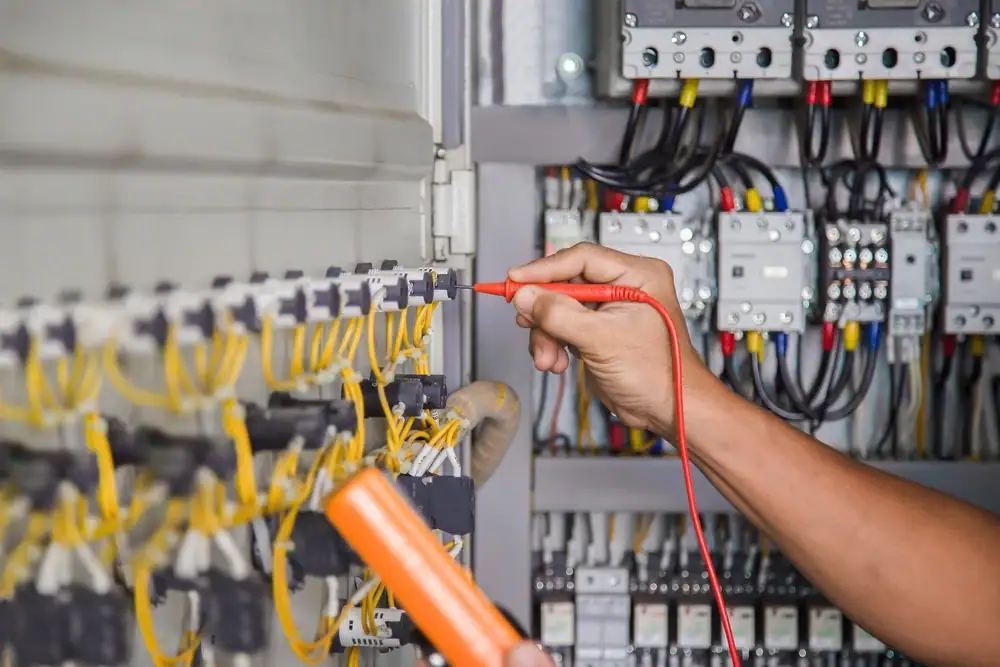
When we arrive, we diagnose the actual problem. Not what we think it might be—what it actually is. Flickering lights could be a loose connection, an overloaded circuit, or a failing breaker. We test, we trace, we find the source. Then we explain what we found, what it’ll take to fix it, and what it costs before we do any work.
Once you approve the work, we handle it. We pull permits if needed. We make sure everything meets current electrical code. We clean up when we’re done. Then we test everything to make sure it works right. You get a system that’s safe, reliable, and built to handle your actual electrical needs.
Ready to get started?
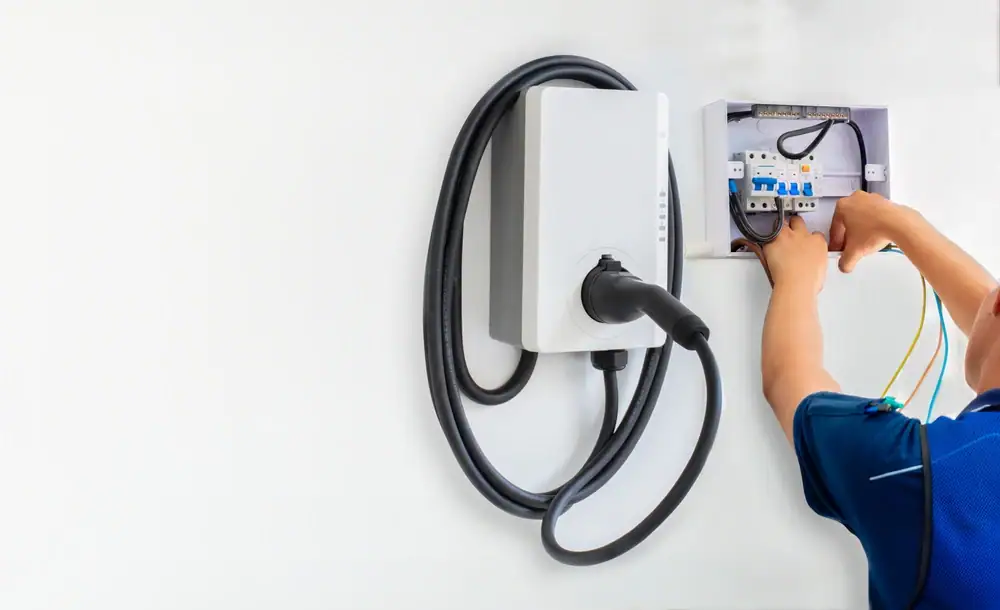
You get electrical work that solves your problem completely. When we upgrade your panel, it’s sized correctly for your home’s actual load—not undersized to save money or oversized because bigger seems better. When we add a circuit for your EV charger, it’s a dedicated 240-volt line that can handle the amperage your vehicle needs without affecting the rest of your electrical system.
Inverness runs on ComEd power, and your average residential bill is around $93 per month. But if your electrical system is inefficient—old wiring, outdated panels, circuits running at capacity—you’re likely paying more than you should. Proper electrical work doesn’t just prevent problems. It can actually reduce your energy costs by eliminating resistance, heat loss, and wasted power.
You also get transparency. We tell you upfront what the work costs. We offer discounts for military, first responders, seniors, teachers, and new customers because we think that matters. And we stand behind our work because we’ve been doing this for 25 years and plan to be here for 25 more.
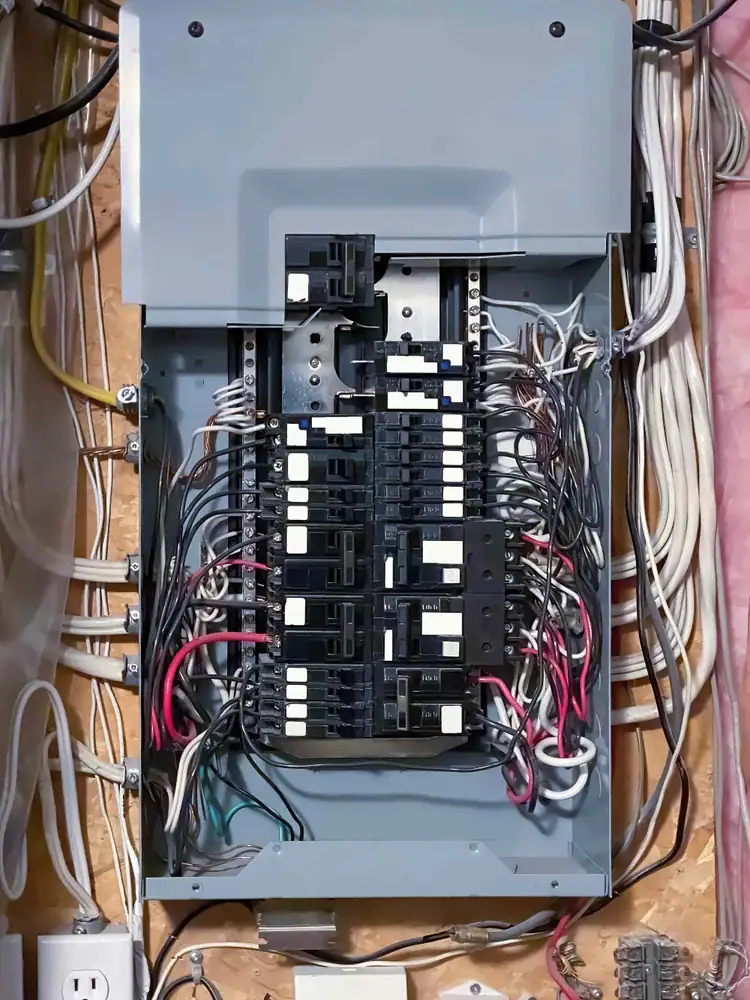
Your breakers trip frequently, even when you’re not running anything unusual. Your lights dim when your HVAC system kicks on. You smell burning near your panel or see scorch marks on the breaker box. These are clear signs your panel is overloaded.
Most Inverness homes built before 1990 have 100-amp or 150-amp panels. That was fine when homes had fewer electrical demands. Today, between home offices, modern HVAC systems, kitchen appliances, and EV chargers, many homes need 200-amp service just to handle normal daily use without overloading circuits.
If you’re adding any major electrical load—a hot tub, an EV charger, a home addition—your existing panel might not have the capacity. We can test your current electrical load and tell you whether an upgrade makes sense. Sometimes you just need a few circuits added. Sometimes the whole panel needs replacement. We’ll tell you which one applies to your situation.
Flickering lights usually mean you have a loose electrical connection somewhere in your system. When connections aren’t tight, electricity has to jump a small gap, which creates resistance and heat. That heat can damage wire insulation and create fire hazards inside your walls where you can’t see them.
Sometimes flickering happens because your circuit is overloaded. If your lights dim every time your refrigerator compressor runs, that circuit is probably handling too much load. The voltage drop when the fridge kicks on causes the lights to dim. That’s not just annoying—it’s hard on your appliances and can shorten their lifespan.
Occasional flickering during a storm is normal. Constant flickering, flickering that’s getting worse, or flickering paired with burning smells needs immediate attention. We can trace the problem to its source—whether it’s a loose connection in a switch, a failing breaker, or an overloaded circuit—and fix it before it becomes a bigger problem.
The cost depends on how far your panel is from where you’re parking your vehicle and whether your panel has capacity for an additional 240-volt circuit. Most EV chargers need a dedicated 40-amp or 50-amp circuit. If your panel is in your garage and you’re parking right there, the installation is straightforward. If your panel is on the opposite side of your house, we’re running more wire and the cost goes up.
We also need to make sure your panel can handle the additional load. If you have a 100-amp panel that’s already running near capacity, adding an EV charger might require a panel upgrade first. A 200-amp panel gives you the headroom to charge your vehicle without affecting the rest of your home’s electrical system.
Before we give you a price, we look at your specific situation. Where’s your panel? What’s your current electrical load? How far do we need to run the circuit? Then we give you an upfront cost that includes everything—permits, materials, labor, and inspection. No surprises after the work is done.
Yes. If you’re dealing with sparking outlets, burning smells from your electrical panel, or complete power loss in part of your home, those are emergencies that need same-day attention. Electrical fires start in walls where you can’t see them, and by the time you smell smoke, the problem is already serious.
We prioritize emergency calls because we know electrical problems don’t wait for business hours. If your panel is hot to the touch, if you see smoke or sparks, if your outlets are making buzzing sounds—call us immediately. We’ll walk you through what to do to stay safe until we arrive, and we’ll get there as quickly as we can.
Not every electrical problem is an emergency. If your outlet stopped working but nothing smells like it’s burning, that can usually wait until the next business day. But if you’re unsure whether your situation is urgent, call us anyway. We’d rather check it out and find it’s not an emergency than have you wait on something that turns dangerous.
Circuit breakers trip because they’re doing their job—protecting your wiring from overheating. When a circuit carries more current than it’s rated for, the breaker cuts power before the wire gets hot enough to start a fire. If your breakers trip occasionally, that’s normal. If they trip constantly, something’s wrong.
You might have too many devices on one circuit. Kitchens are common culprits—your microwave, toaster, coffee maker, and refrigerator might all be on the same 15-amp circuit, which can’t handle that load. The solution is adding dedicated circuits for high-draw appliances so they’re not competing for power.
Sometimes breakers trip because they’re old and worn out. Breakers have a lifespan, and after years of use, they can become sensitive and trip even when the load is fine. Other times, there’s a short circuit somewhere—damaged wire insulation, a failing appliance, or a loose connection. We can test your circuits, measure the load, and figure out whether you need more circuits, new breakers, or repairs to your existing wiring.
Yes. We’re fully licensed, bonded, and insured to perform electrical work in Inverness, IL. That licensing means we’ve met the state’s requirements for electrical knowledge and safety standards. The bond protects you if we don’t complete work as agreed. The insurance protects you if something goes wrong during the job.
This matters more than most homeowners realize. Unlicensed electrical work can void your homeowner’s insurance if it causes a fire or injury. It can also create problems when you sell your home—buyers’ inspectors will flag unpermitted electrical work, and you’ll end up paying to have it redone correctly anyway.
When we pull permits for electrical work, the local inspector checks our work to make sure it meets current code. That’s not a hassle—it’s protection for you. It means your electrical system is safe, it’s legal, and it won’t cause problems down the road. We’ve been doing this for 25 years, and we do it right because cutting corners in electrical work isn’t worth the risk.