
Hear from Our Customers
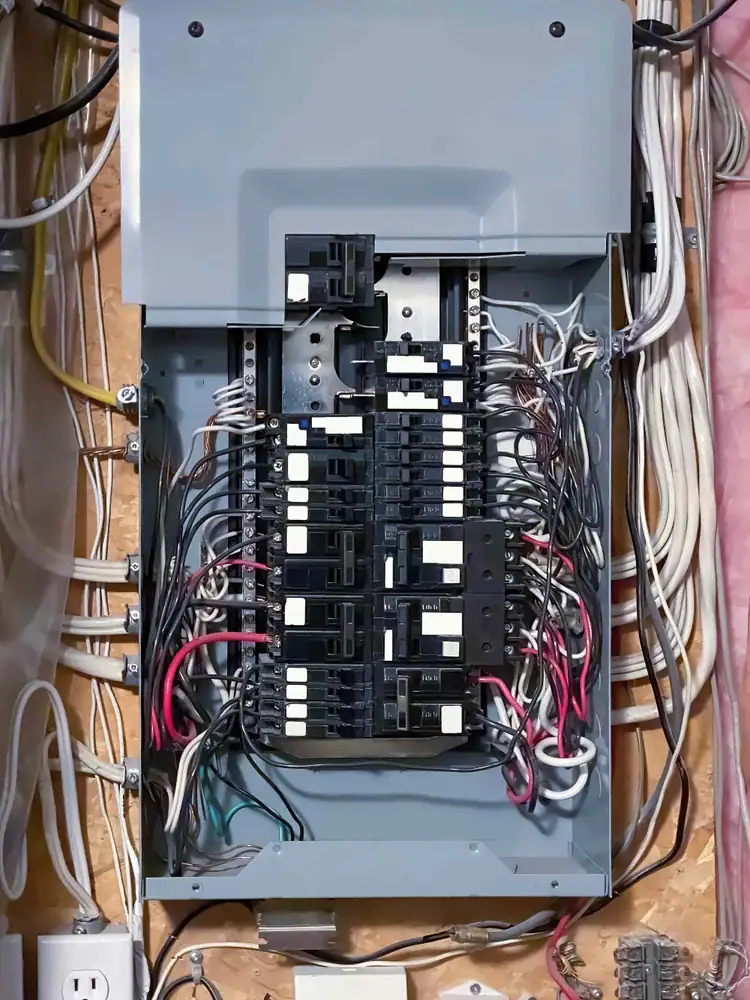
You flip a switch and nothing happens. Or worse-you smell something burning near the breaker box. These aren’t problems you can ignore or put off until next week.
Central Illinois homes deal with real electrical strain. Winter heating loads, summer AC demands, and aging wiring systems that weren’t built for how we live today. When your electrical system fails, it doesn’t just inconvenience you-it puts your home and family at risk.
That’s where a local electrical company in Sutton, IL makes the difference. You get someone who shows up fast, diagnoses the actual problem, and fixes it right the first time. No guessing. No return visits. Just working power and the peace of mind that comes with knowing your electrical system is safe and up to code.
We’ve been handling residential electrical emergencies across central Illinois since the late 1990s. We’re licensed, bonded, and insured-not because it sounds good, but because it protects you when someone’s working inside your walls with live electrical current.
Sutton sits in a part of Illinois where homes span decades of construction standards. That means aluminum wiring in some houses, undersized panels in others, and outdated systems that can’t handle modern electrical loads. We’ve seen it all, and we know how to bring older homes up to current safety standards without unnecessary upselling.
We focus on residential work because that’s where the stakes are highest. Your home isn’t just property-it’s where your family sleeps, where your kids do homework, where you need the lights to work when you flip the switch.
First, you reach an actual person-not a voicemail system. You describe what’s happening: the breaker that keeps tripping, the outlet that sparked, the panel that’s warm to the touch. We ask a few questions to understand urgency and schedule accordingly.
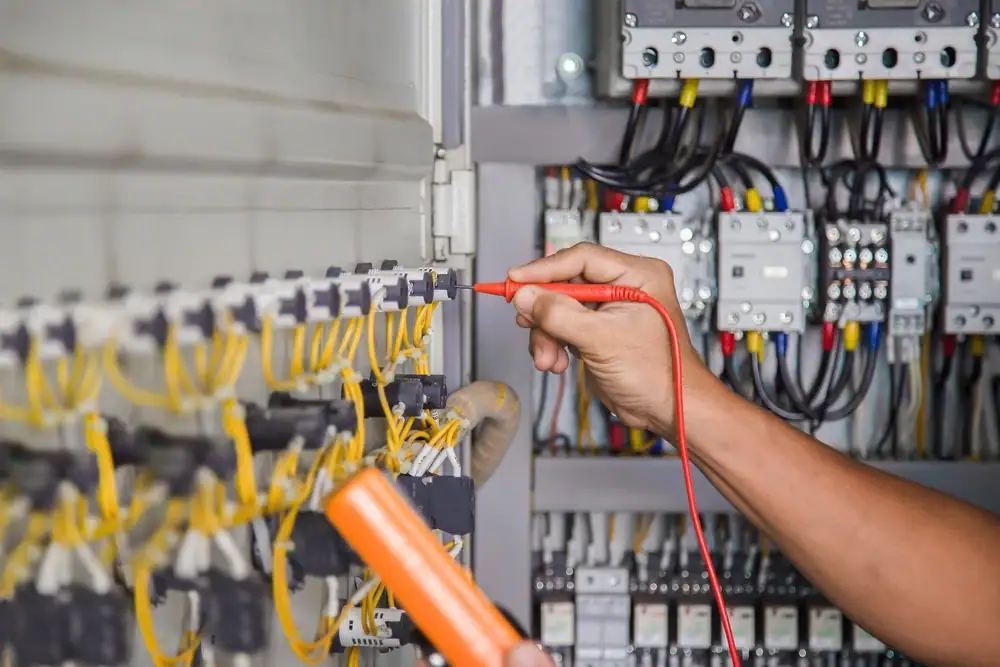
When we arrive, we start with a real assessment. That means checking your panel load, testing circuits, looking at wire condition, and identifying what’s actually causing the problem-not just the symptom you noticed. If you’ve got an overloaded 100-amp panel trying to run a modern home, we’ll tell you. If it’s just a faulty breaker, we’ll tell you that too.
Then we explain what needs to happen and why. You’ll know what the work involves, what it costs, and how long it takes before we start. Once you approve, we complete the repair, test everything, and make sure you understand what we did. You get documentation for your records, and if applicable, we handle permit and inspection coordination so your work is fully code-compliant.
Ready to get started?
Emergency electrical repairs are our specialty-the problems that can’t wait. Burning smells near outlets, flickering lights throughout the house, breakers that trip repeatedly, and complete power loss all qualify. We respond quickly because these issues often signal dangerous conditions.
Panel upgrades matter more in Sutton than many homeowners realize. Illinois electricity costs have spiked dramatically, and older panels waste energy while creating fire hazards. Most homes built before 1990 have 100-amp service that can’t support modern loads-especially if you’re adding EV charging capability. We upgrade to 200-amp systems that handle current demands and future needs.
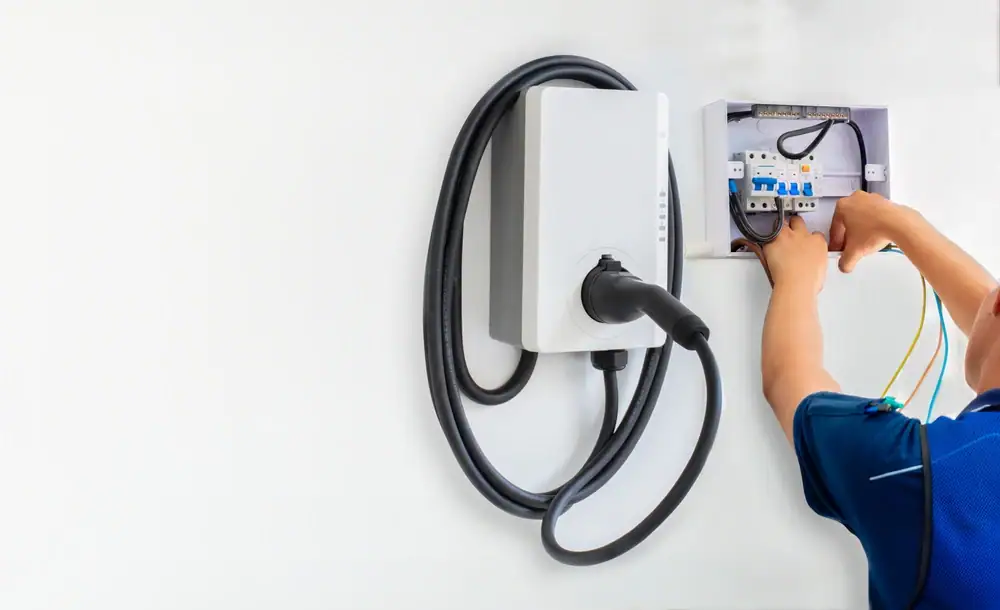
Circuit additions and service changes round out the core work. Adding a dedicated circuit for an electric vehicle charger isn’t optional-it’s required by code and necessary for safety. Same goes for high-draw appliances like tankless water heaters or workshop equipment. We size circuits correctly, run proper wire, and ensure your electrical system can handle what you’re asking it to do.
We also offer discounts for military members, first responders, seniors, teachers, students, and new customers. Not as a marketing gimmick, but because we appreciate the people who serve our communities.
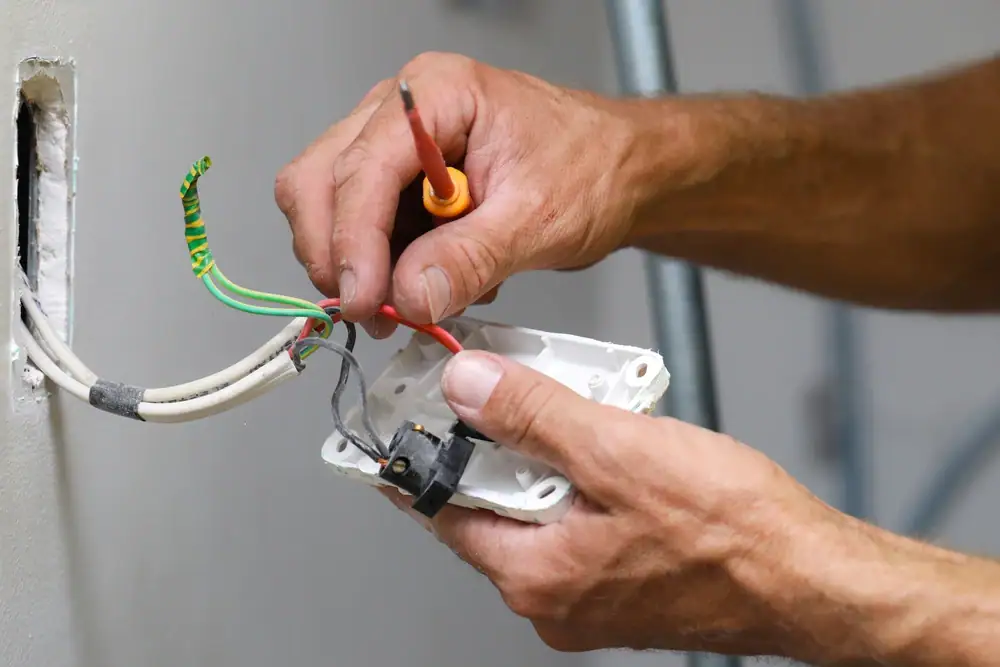
Your panel needs an upgrade if you’re experiencing repeated breaker trips, you have a panel rated below 200 amps, or you’re adding major electrical loads like EV charging. Most homes in central Illinois built before 1990 have 100-amp or smaller panels that simply can’t handle modern electrical demands.
Here’s what to watch for: if you can’t run your AC and electric dryer at the same time without tripping a breaker, your panel is undersized. If you see rust, corrosion, or feel warmth on the panel box, that’s a safety issue requiring immediate attention. And if you’re planning to install an electric vehicle charger, you’ll almost certainly need a panel upgrade to support the dedicated 240-volt circuit.
The upgrade process involves replacing your main service panel with a larger capacity system-typically 200 amps for most residential applications. We coordinate with your utility company, pull necessary permits, and ensure the work passes inspection. The investment protects your home from electrical fires and gives you the capacity to power your life without constantly managing which appliances you can run simultaneously.
Flickering lights signal loose connections, overloaded circuits, or voltage fluctuations-all of which can be dangerous if left unaddressed. The specific cause determines the risk level, but flickering is never something to ignore.
If lights flicker when you turn on a major appliance, you likely have an overloaded circuit or undersized wiring. That creates heat at connection points and increases fire risk over time. If flickering happens randomly without pattern, you might have a loose connection at the panel, switch, or fixture-loose connections arc and spark, which can ignite surrounding materials.
Whole-house flickering often indicates a problem with your main service connection or utility supply. Sometimes it’s a loose connection where power enters your home, sometimes it’s a failing utility transformer. Either way, it requires immediate professional assessment. We trace the source, identify whether it’s inside your system or utility-side, and make the necessary repairs to eliminate both the symptom and the underlying hazard.
EV charger installation in Sutton, IL typically costs between $800 and $2,500 depending on your existing electrical capacity, distance from the panel to charging location, and whether you need a panel upgrade. The work isn’t just plugging something in-it requires a dedicated 240-volt circuit with proper amperage for your specific charger.
If you have available capacity in your current panel and the charging location is near that panel, costs stay on the lower end. You’re looking at running appropriate gauge wire (usually 6-gauge for a 40-amp circuit), installing a dedicated breaker, mounting the appropriate outlet or hardwiring the charger, and ensuring everything meets National Electrical Code requirements.
However, many Sutton homes need panel upgrades before adding EV charging capability. A 100-amp panel running a typical home doesn’t have spare capacity for the continuous 30-40 amp draw of Level 2 charging. In those cases, you’re adding panel upgrade costs to the circuit installation. The good news: you’re future-proofing your home’s electrical system while adding charging capability. We provide exact pricing after assessing your specific situation-no surprise costs after we start work.
Yes, we’re fully licensed, bonded, and insured to perform electrical work throughout Illinois. That licensing isn’t just paperwork-it means we’ve met state requirements for training, experience, and competency to work safely with electrical systems.
Being bonded protects you financially if something goes wrong during the job. Insurance coverage means if there’s property damage or injury related to our work, you’re not left holding the bill. These protections matter significantly when someone’s working with live electrical current inside your walls.
We also pull proper permits for work that requires them and coordinate inspections to ensure everything meets current electrical code. That matters when you sell your home-unpermitted electrical work can kill deals or force expensive corrections. It also matters for safety: code requirements exist because they prevent the electrical failures that cause fires and injuries. You’ll receive documentation of all work performed, permits pulled, and inspections passed.
We prioritize emergency electrical calls and typically respond the same day for genuinely urgent situations. Electrical emergencies-burning smells, sparking outlets, complete power loss, or warm panels-create immediate safety risks that shouldn’t wait.
When you call with an emergency, you’ll speak with someone who can assess urgency and dispatch accordingly. We ask specific questions about what you’re experiencing because some situations require faster response than others. Smoke or burning smells get immediate priority. Repeated breaker trips or partial power loss typically get same-day service. Planned work like adding circuits or upgrading panels gets scheduled based on your timeline and our availability.
Central Illinois weather creates its own electrical emergencies. Ice storms knock out power and damage service connections. Summer heat waves overload aging electrical systems. We understand the seasonal pressures your electrical system faces and staff accordingly. You’re not waiting days for help when your electrical system fails-you’re getting a licensed electrician who knows how to diagnose and repair the problem quickly and safely.
A panel upgrade replaces your interior breaker panel with higher capacity while keeping your existing service connection. A service change replaces everything from the utility connection through the meter to your panel-essentially upgrading your home’s entire electrical service entrance.
You need a panel upgrade when your existing panel is undersized, outdated, or failing, but your service wire from the utility has adequate capacity. For example, if you have 200-amp service wire but only a 100-amp panel, we can upgrade just the panel. This is the more common and less expensive option for most Sutton homes.
You need a full service change when your utility connection itself is undersized or when you’re upgrading from older service standards. Homes with overhead service connections sometimes need complete service changes to meet current code. This involves coordinating with your utility company to disconnect and reconnect power, replacing the weather head and service wire, installing a new meter base, and installing a new panel. It’s more involved and costs more, but it’s necessary when your existing service infrastructure can’t support modern electrical demands. We assess your specific situation and recommend the right approach based on what your home actually needs-not what generates the biggest invoice.