
Hear from Our Customers
You flip a switch and nothing happens. Or worse—you smell something burning near an outlet and your stomach drops. That’s not a “schedule it for next week” situation.
Electrical problems don’t announce themselves politely. They show up as flickering lights during dinner, breakers that won’t stop tripping, or that hot plastic smell that makes you wonder if you should grab the kids and leave. When your home’s electrical system fails, everything stops.
We handle the electrical repairs in Faithorn that actually matter—the ones that affect whether your refrigerator runs, your home office works, or your family stays safe tonight. Circuit issues. Panel problems. Wiring that’s been pushed past its limits by modern appliances, home offices, and EV chargers your house wasn’t built to handle.
You call. We ask the right questions. We show up with the tools and parts to fix it the first time. Your power comes back on, the danger goes away, and you get back to your life.
We’ve been the local electrician Faithorn homeowners call when something goes wrong—not when they need a sales pitch. For 25 years, we’ve focused on residential electrical work while other companies chased commercial contracts.
We’re licensed, bonded, and insured because your family’s safety isn’t negotiable. We know Faithorn’s housing stock—the older homes with electrical systems never designed for today’s demands, and the newer builds that still have problems when circuits overload or panels fail.
You’re not getting a rookie with a toolbelt. You’re getting electricians who’ve seen what happens when electrical problems get ignored, and who know how to fix them before they become fires, rewiring jobs, or insurance claims.
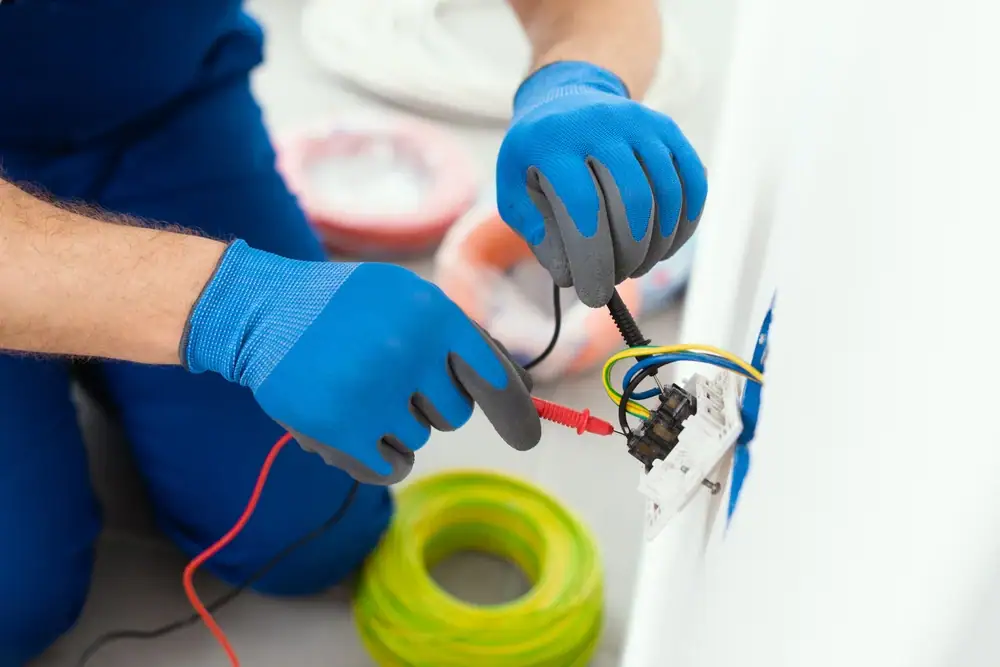
You call and talk to someone who actually understands electrical emergencies—not a call center. We ask specific questions about what you’re seeing, smelling, or hearing to understand if this is urgent or if it can wait a day.
If it’s an emergency, we’re there the same day. If it’s not, we schedule you without the runaround. When we arrive, we diagnose the actual problem—not just the symptom. Tripping breakers usually mean overloaded circuits or faulty wiring. Burning smells mean something’s overheating. Flickering lights point to loose connections or panel issues.
We give you a clear, written estimate before we touch anything. No surprise charges. No upselling you into work you don’t need. Then we fix it with the parts and expertise to make sure it stays fixed.
You get transparent pricing, licensed electrical work, and the kind of service that doesn’t leave you wondering if you should’ve called someone else. Most repairs happen during the first visit because we show up prepared.
Ready to get started?
Electrical wiring in Faithorn homes takes a beating. You’ve added smart devices, upgraded appliances, installed a home office, maybe even an EV charger. Your electrical panel wasn’t designed for that load—and it shows.
We handle the full scope of residential electrical repairs: circuit issues that keep tripping breakers, panel upgrades that add capacity your home desperately needs, and wiring repairs that fix dangerous problems before they start fires. We add new circuits for high-draw appliances. We replace outdated panels that can’t handle modern electrical demands. We track down the electrical problems that other electricians couldn’t figure out.
Faithorn’s older homes often need specialized attention. Wiring degrades. Connections loosen. Panels corrode. What worked fine for decades suddenly can’t keep up when you plug in a space heater, run the AC, and charge your laptop at the same time. We understand how electrical systems fail—and how to fix them correctly.
You also get the discounts we offer to military, first responders, seniors, teachers, and students. Because doing right by the people who serve this community matters more than squeezing every dollar out of every job.
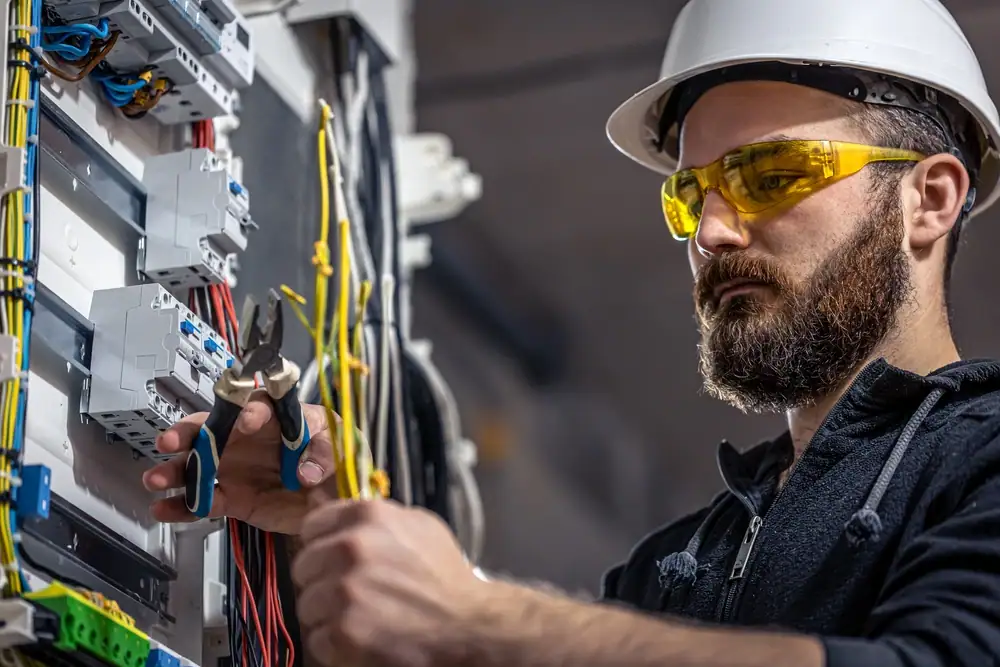
If you smell burning plastic, see sparks, hear sizzling from your panel, or lose power to your whole house—call immediately. Those are fire risks.
Breakers that keep tripping after you reset them also need same-day attention. So do outlets that feel hot to the touch, lights that flicker across multiple rooms, or any situation where you’re genuinely worried about safety. Trust that instinct.
Less urgent situations—like adding a circuit for an EV charger or upgrading a panel because you’re planning renovations—can be scheduled normally. But if something feels dangerous, it probably is. Electrical fires cause over 46,000 house fires every year, and most are preventable with fast action.
Usually it’s your electrical system telling you it’s overloaded. Older homes in Faithorn were built when households used a fraction of the electricity we use today. You didn’t have computers, phone chargers, smart TVs, and high-efficiency appliances all pulling power at once.
When you plug a space heater into a circuit that’s already running your home office, the breaker trips to prevent the wiring from overheating. That’s the safety mechanism working. But if it keeps happening, the real problem is that your home needs more circuits or a panel upgrade to handle modern electrical loads.
Sometimes it’s faulty wiring or a failing breaker. We diagnose the actual cause during an electrical inspection, then fix it—whether that means adding circuits, replacing old wiring, or upgrading your panel so your electrical system can handle what you’re asking it to do.
Panel upgrades typically range from $1,500 to $4,000 depending on the size of the upgrade, the condition of your existing wiring, and whether we need to add circuits at the same time. You’re not just buying a new panel—you’re buying capacity, safety, and the ability to use your home the way you actually live.
We give you a written estimate before starting any work. No hidden fees. No surprise charges after the job’s done. If your home’s electrical system can’t support an EV charger, a home addition, or even just running your AC and appliances without tripping breakers, a panel upgrade fixes that permanently.
Putting it off usually costs more. Electrical problems don’t improve with age—they get worse. What starts as an annoyance becomes a safety hazard, and what could’ve been a straightforward upgrade becomes an emergency repair with damage to fix on top of it.
Electrical work kills people who don’t know what they’re doing. It also burns down houses, voids insurance policies, and fails inspections when you try to sell.
You’re not just paying for someone to connect wires. You’re paying for someone who knows how electrical systems actually work, what the code requires, and how to fix problems without creating new ones. Licensed electricians carry insurance for a reason—because even professionals make mistakes, and when electricity’s involved, mistakes have consequences.
DIY electrical repairs might save you money today. But when something goes wrong—and it will—you’re looking at emergency service calls, fire damage, or worse. We’ve seen plenty of “I tried to fix it myself” situations that turned into full rewiring jobs. Electrical work isn’t worth gambling on.
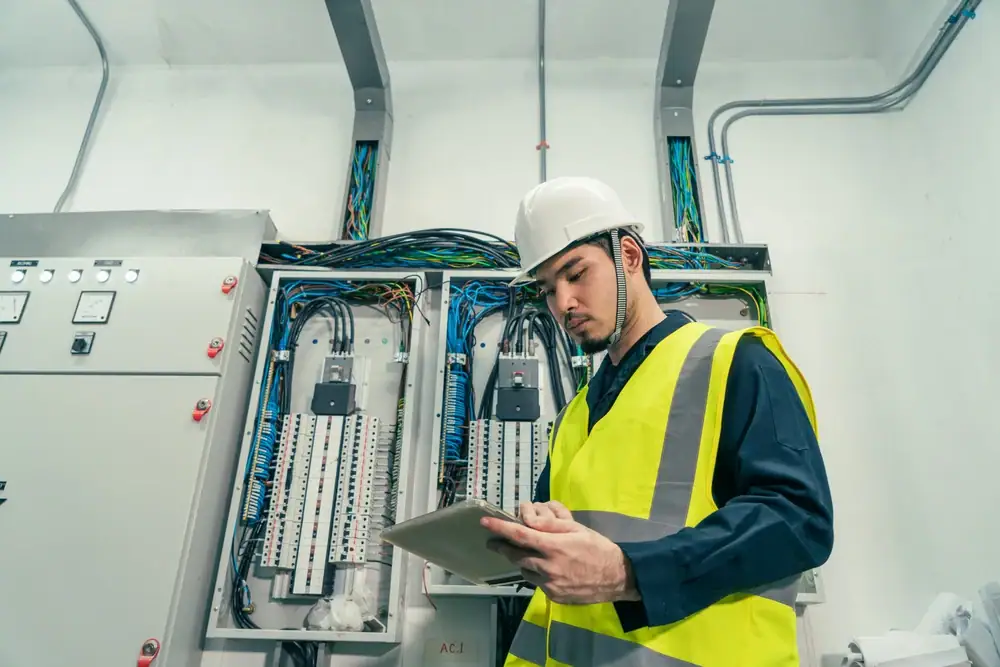
A thorough electrical inspection usually takes two to four hours depending on your home’s size and age. We’re checking your panel, testing circuits, inspecting visible wiring, and identifying problems that could become safety hazards.
Older Faithorn homes often reveal issues during inspections—outdated wiring, overloaded circuits, panels that don’t meet current code, or connections that have loosened over time. We document everything and explain what needs immediate attention versus what can wait.
You should have your electrical system inspected every 10 years if your home was built after 1980, and every five years for older properties. If you’re buying a home, planning renovations, or noticing electrical problems, get it inspected before small issues become expensive emergencies. Most people skip electrical inspections until something breaks—don’t be most people.
Electrical repairs fix specific problems—a faulty circuit, a damaged outlet, a failing breaker. Rewiring replaces most or all of your home’s electrical wiring, usually because it’s outdated, damaged, or dangerous.
If your home still has knob-and-tube wiring, aluminum wiring, or wiring that’s been damaged by rodents or water, you probably need rewiring. If your breakers trip constantly, outlets don’t work, or your electrical system can’t handle basic modern loads, rewiring might be the only real fix.
Rewiring is expensive—often $8,000 to $15,000 depending on your home’s size. But it’s also permanent. You’re not patching problems anymore. You’re replacing the entire system with wiring that meets current code and handles everything you need. We’ll tell you honestly whether you need repairs or rewiring. Most homes just need repairs. But when rewiring’s necessary, putting it off only makes it more expensive and more dangerous.