
Hear from Our Customers
You flip a switch and nothing happens. Or worse, you smell something burning near an outlet. These aren’t problems you can ignore or DIY your way through.
When your electrical system fails, you need someone who can diagnose the real issue and fix it right the first time. That means your lights stay on, your outlets work safely, and you’re not wondering if something’s about to catch fire behind your walls.
A licensed electrician in Glen Ellyn handles everything from tripped breakers that won’t reset to full panel upgrades for homes that can’t keep up with modern electrical demands. You get code-compliant work that passes inspection and actually solves the problem instead of masking it.
The difference between a quick fix and a real repair is whether you’re calling someone back in six months. Proper electrical repairs mean your system handles the load, your family stays safe, and you can stop worrying about what’s happening inside your walls.
We’ve been handling residential electrical repairs in Glen Ellyn since before most homes had dedicated circuits for home offices or EV chargers. We’re licensed, bonded, and insured because that’s the baseline for doing this work correctly.
Many Glen Ellyn properties were built decades ago. That means wiring, outlets, and service panels that weren’t designed for how you actually live now. We’ve seen what happens when electrical systems get pushed beyond their limits, and we know how to bring them up to current code without tearing apart your entire house.
We focus on emergency electrical repairs because that’s when you actually need an electrician. When your power goes out, when outlets start sparking, when breakers trip constantly—those are the calls we take seriously and respond to quickly.
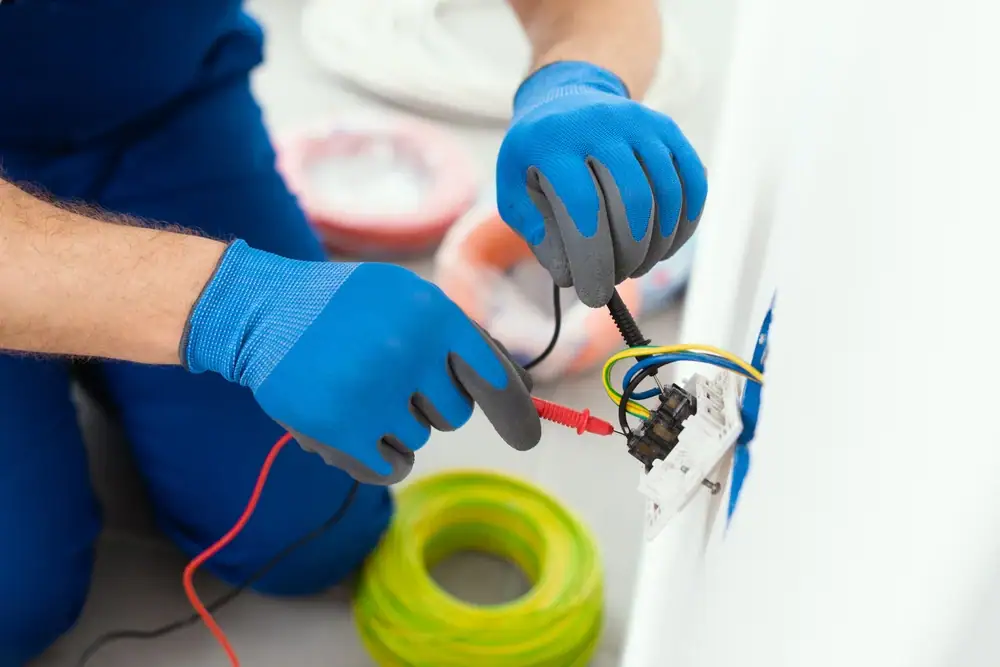
First, we figure out what’s actually wrong. Not what you think might be wrong, but what’s causing the problem. That means testing circuits, checking panels, and looking at how your electrical system is handling the load you’re putting on it.
Once we know the issue, we explain what needs to happen and what it’ll cost before we touch anything. No surprises, no upselling you on work you don’t need. If your panel needs an upgrade, we tell you why. If it’s a simple circuit issue, we fix it and move on.
The repair itself follows current electrical code for Glen Ellyn. Every connection gets made correctly, every wire gets sized properly, and everything gets tested before we leave. You get a system that works the way it should, not just a temporary patch that’ll fail again next month.
We clean up after ourselves, answer your questions about what we did, and make sure you know how to avoid the same problem going forward. Then we’re available if something else comes up, because electrical issues don’t always happen during business hours.
Ready to get started?
A complete electrical inspection shows you what’s working and what’s waiting to fail. In Glen Ellyn, where many homes were built before 1980, that inspection often reveals outlets that need GFCI protection, wiring that’s outdated, or panels that can’t handle modern electrical demands.
Electrical wiring work includes running new circuits for EV chargers, upgrading service panels from 100 to 200 amps, and replacing old wiring that’s become a fire hazard. If you’re adding major appliances or converting your garage into workspace, you need dedicated circuits that can handle the load without tripping breakers or overheating.
Emergency repairs cover everything from outlets that spark or smell like burning plastic to breakers that won’t stay on. These aren’t problems you should live with or try to fix yourself. They’re signs your electrical system is failing, and they need professional attention before they become dangerous.
We also handle the less dramatic stuff—installing new outlets, upgrading lighting circuits, adding whole-house surge protection. Basically, anything that involves your home’s electrical system and needs to meet code. You get work that’s done correctly, backed by proper licensing and insurance, with pricing you know upfront.
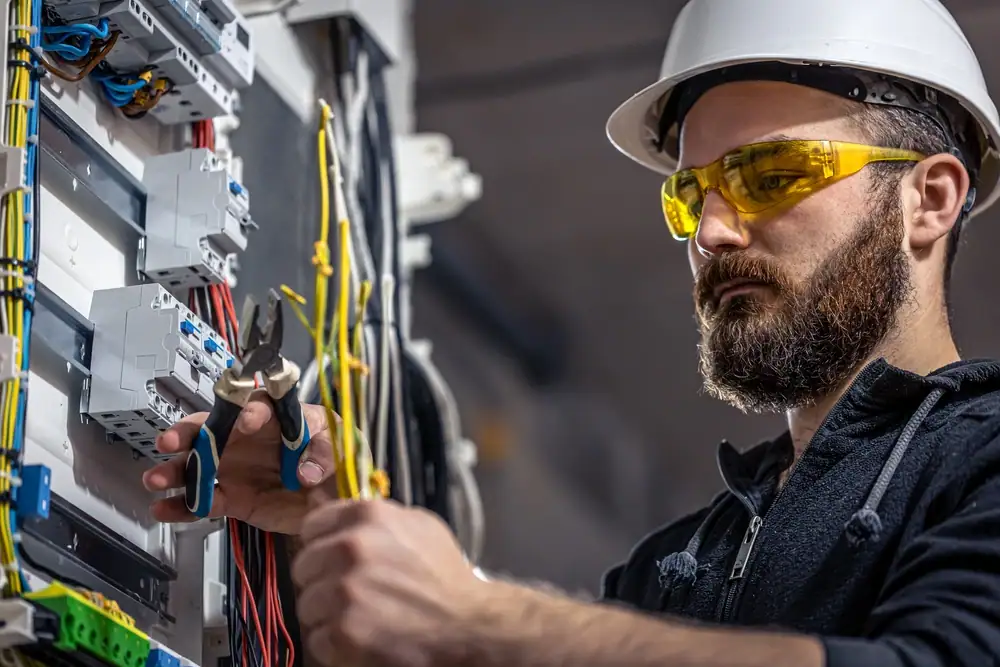
Your panel needs an upgrade if breakers trip frequently, even when you’re not running unusual loads. That’s your electrical system telling you it can’t handle what you’re asking it to do.
Other signs include lights that dim when major appliances kick on, outlets that feel warm to the touch, or a panel that’s over 25 years old and still rated for 100 amps. Modern homes typically need 200-amp service to handle everything from central air to electric vehicle chargers.
If you’re adding any major electrical load—like an EV charger, hot tub, or home addition—your existing panel might not have the capacity. We can test your current system and tell you exactly what it can handle versus what you’re trying to run through it. Panel upgrades aren’t cheap, but they’re a lot less expensive than dealing with electrical fires or constant service calls for tripped breakers.
Anything involving burning smells, visible sparks, or outlets that are hot to the touch needs immediate attention. These are signs of active electrical failures that can start fires.
Power outages that only affect your home (not your neighbors) also qualify, especially if they’re accompanied by buzzing sounds, flickering lights, or breakers that won’t reset. That usually means something’s failed in your panel or main service line.
Other emergencies include outlets that shock you when you touch them, lights that flicker constantly across multiple rooms, or any situation where you can see scorch marks near outlets or switches. Don’t wait on these. Shut off power at the main breaker if you can do it safely, and call an electrician who handles emergency repairs. Electrical problems don’t improve on their own, and the longer you wait, the more dangerous they become.
Simple repairs like replacing an outlet or fixing a single circuit typically run $150-$300. More involved work like adding new circuits, upgrading panels, or rewiring sections of your home costs more because it requires more time, materials, and expertise.
Panel upgrades usually range from $1,500 to $3,000 depending on whether you’re going from 100 to 200 amps and how much work your existing setup needs. EV charger installations run $500-$1,200 depending on where the charger goes and whether you need new circuits run.
Emergency service calls may include trip fees or after-hours rates, but you’ll know the cost before work starts. We offer discounts for military, seniors, teachers, first responders, and students, which can reduce your total cost. The real question isn’t what electrical work costs—it’s what it costs to not fix electrical problems. Bad wiring and failing systems cause fires, damage appliances, and create safety hazards that only get worse over time.
Glen Ellyn requires permits for most electrical work, and those permits require licensed electricians. That’s not bureaucracy—it’s because electrical work done incorrectly kills people and burns down houses.
You can change light fixtures or replace outlets if you know what you’re doing and follow code. But anything involving your panel, adding new circuits, or working with 240-volt systems needs a licensed professional. The electrical code exists because people figured out the hard way what causes fires and electrocutions.
Bad electrical work doesn’t always fail immediately. Sometimes it works fine for months or years before connections loosen, wires overheat, or circuits overload. By then, you’ve forgotten about the DIY repair, and you’re dealing with an electrical fire instead. Licensed electricians carry insurance specifically because this work is dangerous. If something goes wrong with our work, you’re covered. If something goes wrong with your DIY electrical project, your homeowner’s insurance might not pay out, and you’re liable for any damage or injuries.
Simple repairs like fixing a dead outlet or replacing a faulty switch take an hour or less once we’ve diagnosed the problem. Circuit issues might take 2-4 hours depending on what’s wrong and where the problem is located.
Panel upgrades typically take a full day because we’re replacing your main electrical panel, which means shutting off power to your entire house while we work. We try to schedule these during times that minimize disruption, but you should plan for 6-8 hours without power.
Running new circuits for EV chargers or major appliances depends on how far we need to run wire and whether we’re going through finished walls or open spaces. That might take half a day or a full day. We’ll give you a realistic timeline when we quote the job. Electrical work can’t be rushed—connections need to be made correctly, everything needs to be tested, and code compliance isn’t optional. Fast and cheap electrical work usually means you’re calling someone else to fix it properly later.
Unplug everything from that outlet immediately and shut off the breaker that controls it if you know which one it is. Don’t use that outlet again until an electrician has inspected it and determined what’s wrong.
Burning plastic smell means wires are overheating, connections are failing, or something inside the outlet has already started to melt. This is how electrical fires start, and it needs professional attention right away. Don’t just stop using that outlet and ignore it—the problem is inside your wall, and it’s not going to fix itself.
Call an electrician who handles emergency electrical repairs, explain what you’re smelling and where, and get someone out to inspect your electrical system. The issue might be isolated to one bad outlet, or it could indicate a larger problem with your wiring or circuit load. Either way, burning smells are never normal, and they’re always worth investigating immediately. We’ve seen too many situations where homeowners waited because the smell went away—right up until it came back as an actual fire.