Essential steps Chicago homeowners need to take before installing an EV charger, including electrical panel assessment and safety requirements.
Share:
Summary:
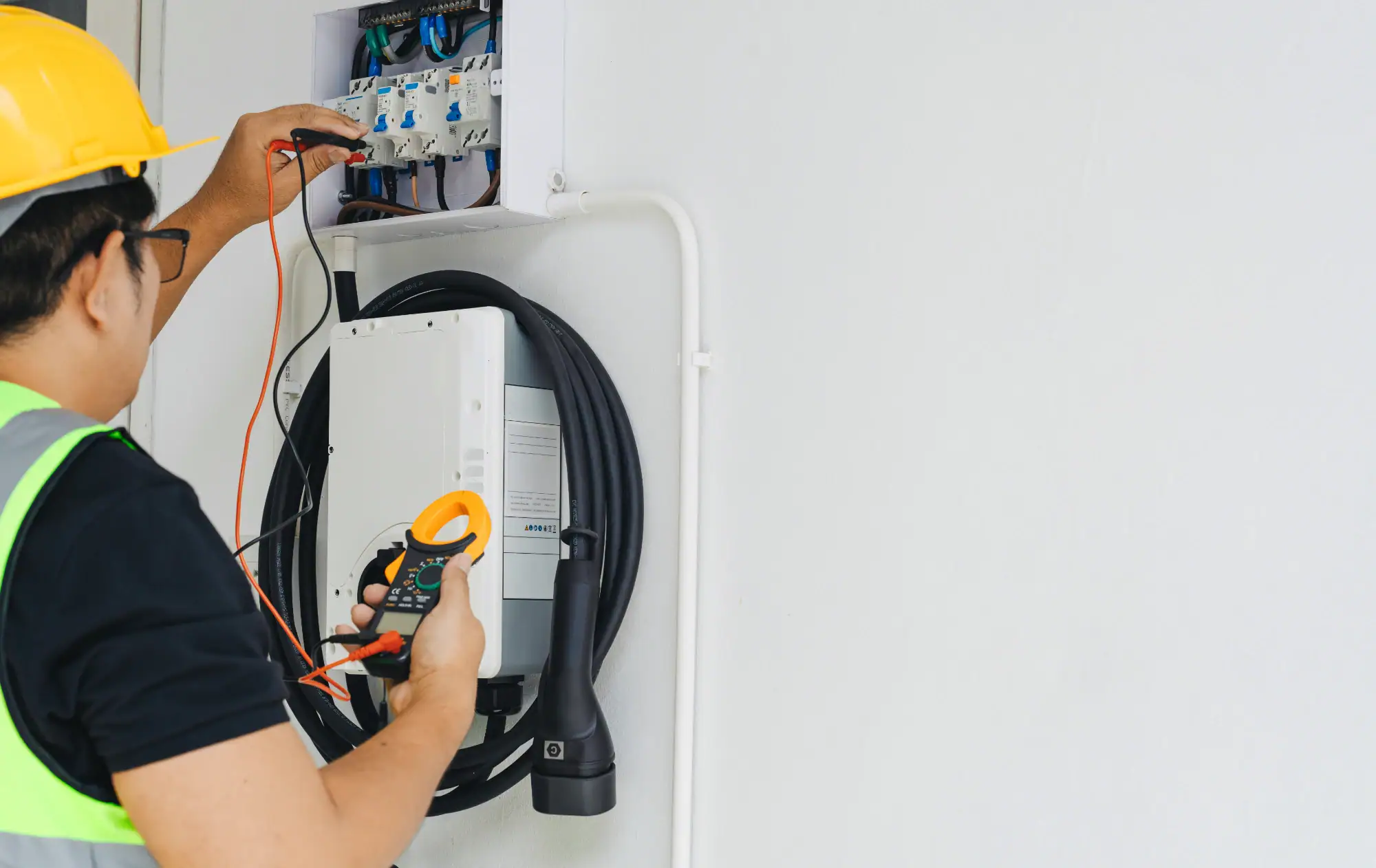
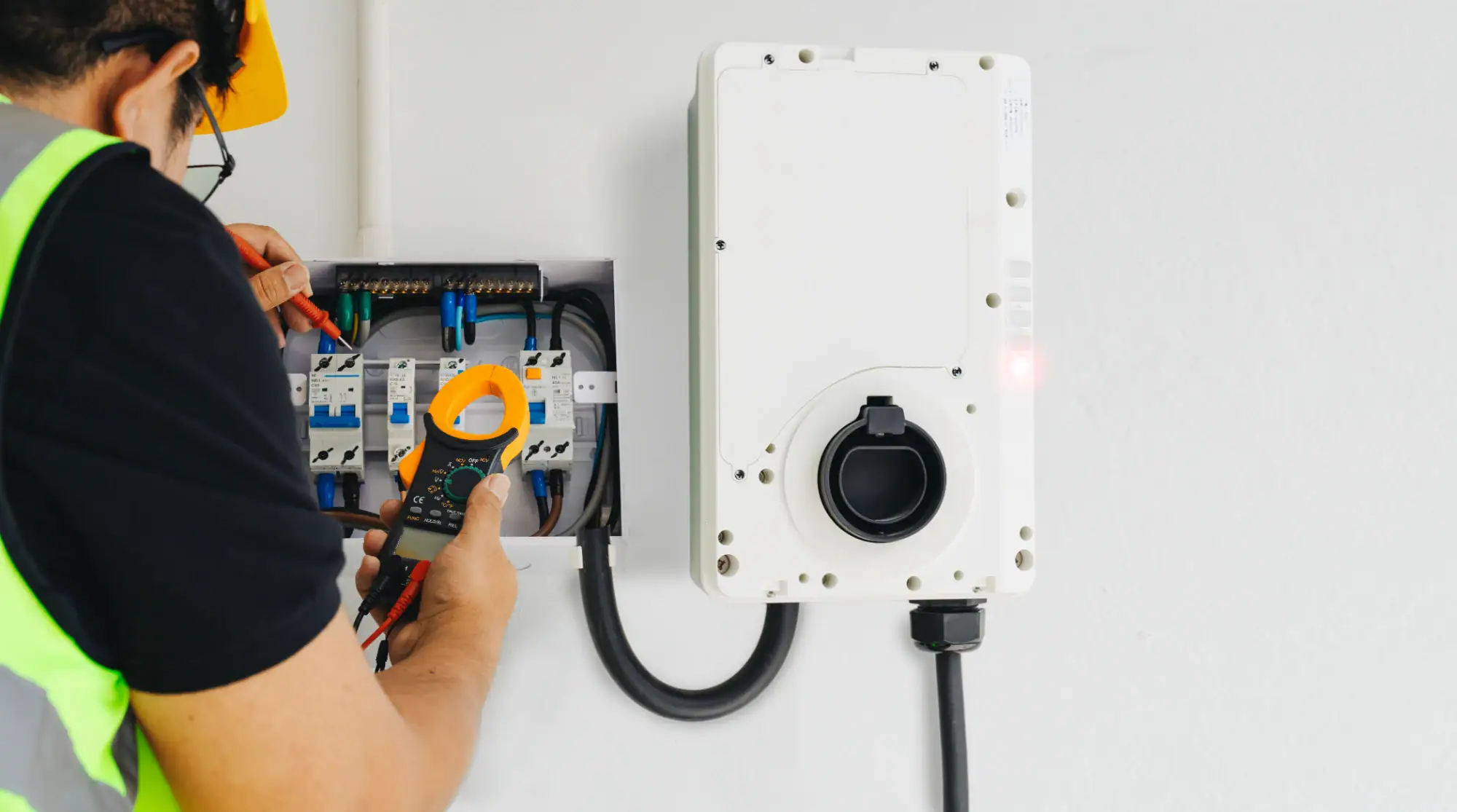
Load calculations assess your home’s electrical capacity and determine if your current panel can handle an EV charger’s demands. Most EV chargers draw between 32-48 amps continuously, which is substantial compared to typical household appliances.
A 100-amp panel may suffice for older or smaller homes, but modern energy demands like EV chargers often require a 200-amp panel. Your electrician will calculate your home’s total electrical load including heating, cooling, appliances, and the proposed EV charger to ensure safe operation.
Chicago’s harsh winters requiring more heating, plus growing EV adoption, mean many homes need electrical panel upgrades to handle increased power loads safely. This isn’t just about convenience—it’s about preventing electrical fires and ensuring your family’s safety.
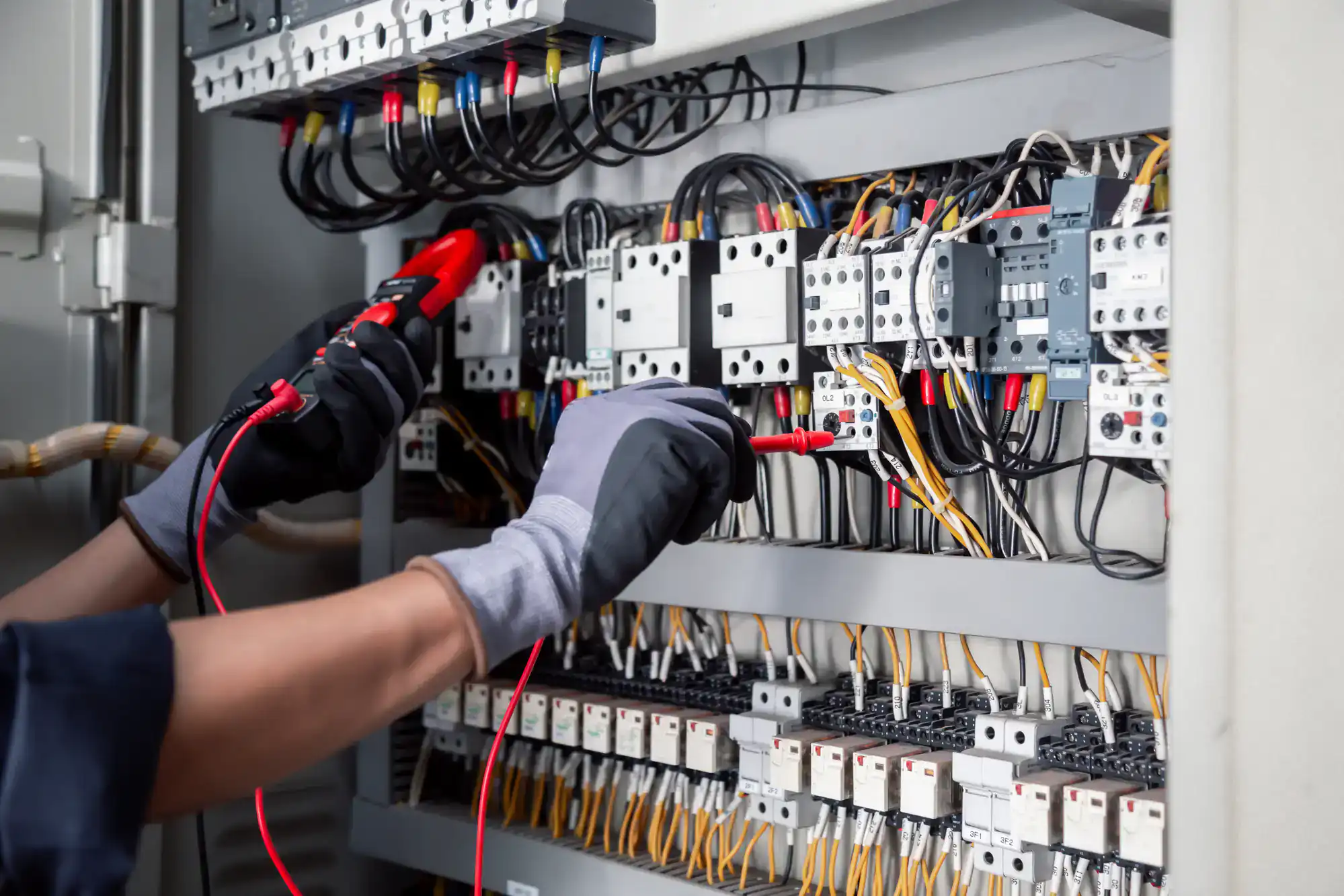
A comprehensive load calculation determines how many amps are available in your current panel. This process involves more than just counting empty breaker slots—it requires analyzing your home’s actual electrical usage patterns.
Your electrician will examine your current electrical loads including HVAC systems, water heaters, kitchen appliances, and lighting circuits. Chicago code requires a minimum of 4,500 VA to be included in feeder and service load calculations, and additional capacity must be available for the EV charger.
If you’re adding an electric vehicle charger, new HVAC system, or high-demand kitchen appliances, your current panel may not be able to support the load. The calculation reveals whether your electrical service can safely handle the additional demand without overloading circuits or creating fire hazards.
Many Chicago homeowners discover their electrical systems are already operating near capacity. If you’re constantly resetting breakers, your electrical circuit is likely overloaded, and that’s a clear sign your service panel can’t keep up. Load calculations provide the definitive answer about what your electrical system can actually handle.
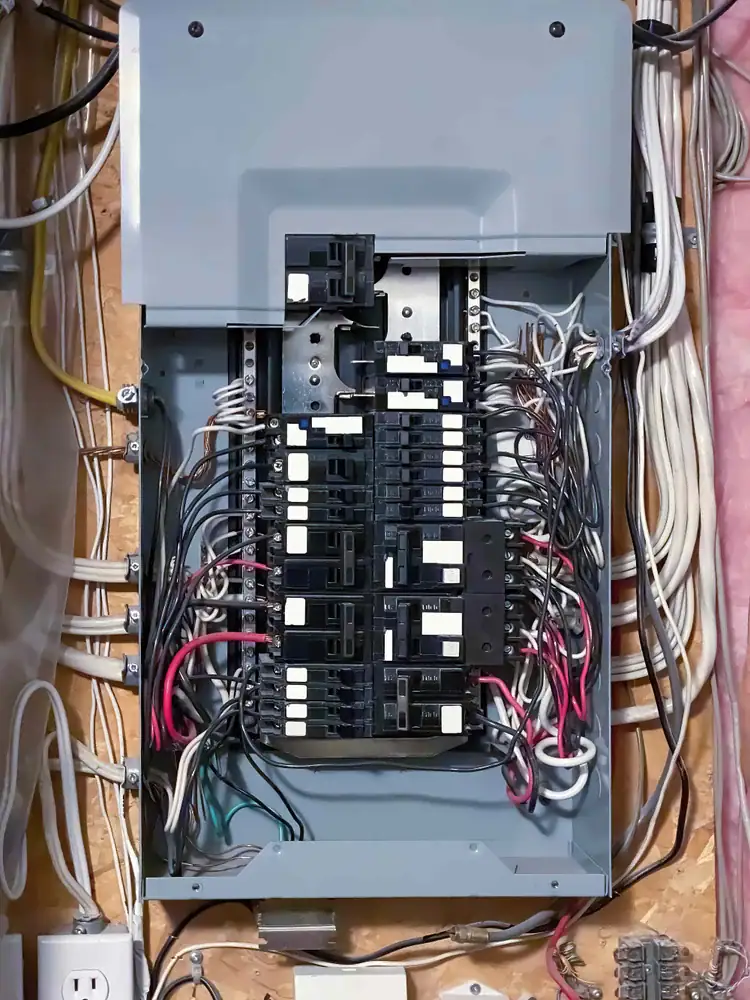
Heat, noise, or smells from your circuit breaker box are red flags that, left unchecked, can lead to electrical fires or electric shocks. These warning signs indicate your electrical panel is struggling with its current load, let alone adding an EV charger.
Frequent breaker trips indicate circuits can’t handle your home’s electrical demands, while flickering or dimming lights suggest an outdated panel struggling to distribute power effectively. If your lights are flickering or just aren’t fully bright, or if your home is more than 20 years old with less than 200 amps available, it’s time for a new electrical service panel.
Electrical panels typically last 25-40 years, but yours might need replacement if it gives off burning smells, breakers trip frequently, it still uses fuses instead of circuit breakers, it’s hot to the touch, or shows visible damage like rust or discoloration. Federal Pacific Electric panels from the 1950s-1980s are considered safety defects and should be replaced according to the U.S. Consumer Product Safety Commission.
Don’t ignore these warning signs. Waiting too long to replace an old system risks the electrical panel shutting down or possibly causing a house fire, while having an electrician replace your electrical service panel will prevent many problems in the future.
Want live answers?
Connect with a Jimco Electric expert for fast, friendly support.
Chicago requires permits for all electrical panel work, and installations must be performed by licensed electricians. If the scope of work includes installation of electric vehicle supply equipment, the installer needs Illinois Commerce Commission (ICC) Electric Vehicle Charging Station Installer certification.
Chicago has strict code requirements including arc-fault breakers, grounding upgrades, and clearance fixes that can increase your panel upgrade cost. These requirements aren’t bureaucratic obstacles—they’re safety measures that protect your home and family from electrical hazards.
In Chicago, unlicensed electrical work can result in fines, insurance issues, and serious safety hazards, so always hire licensed, insured electricians for panel upgrades. A licensed electrician ensures the work meets local building codes and passes inspection, while DIY electrical work is unsafe and increases the risk of short circuits, electric shocks, and electrical fires.
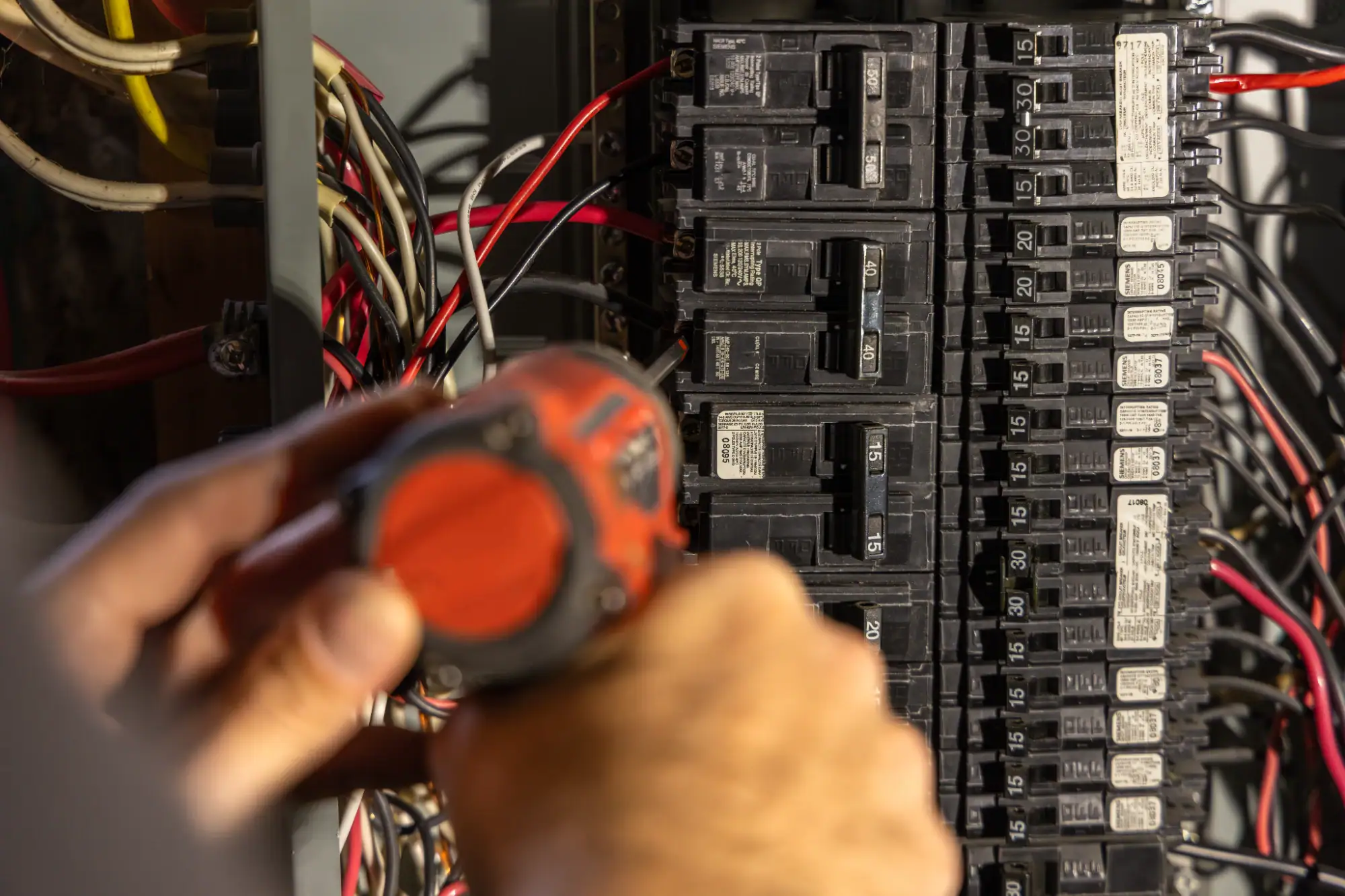
You must obtain an electrical permit from the City of Chicago, and your electrical contractor can handle this on your behalf through the City’s Easy Permit Process program. You must upload electrical drawings including a single-line diagram, load calculations, and other details for new service installations and panel work in residential buildings.
Permit fees usually run $50-$300, and inspections are mandatory. Your electrical contractor handles this step, but it adds to the bill. Once installation is complete, an inspector will verify the work meets code requirements.
The inspection process typically takes one to three days, depending on inspector availability and any code requirements found, and even with a quick panel swap, you may wait a day or two for the inspector to sign off. Your contractor can also arrange for the City of Chicago to inspect the new outlet installation.
The City of Chicago and the majority of surrounding municipalities require that a permit is pulled for electric vehicle outlet and charger installation. This isn’t optional—it’s required for your safety and to maintain your home insurance coverage.
The power company (ComEd) needs to shut off and reconnect service while your professional electrician installs the new panel, which doesn’t raise costs dramatically but does affect timing. Before work begins, your utility company will disconnect power to your home.
Professional electrical contractors handle all permits, utility coordination, and inspections for you, so you can relax knowing it’s 100% code-compliant. ComEd also has specific requirements for meter connections and service upgrades that licensed electricians understand and follow.
Make sure your electrician is licensed and familiar with local electrical codes, as every village and city in Chicagoland is free to set their own rules and requirements, with many adopting different versions of the National Electrical Code. Some areas like Oak Brook follow 2008 NEC, while Morton Grove adopted Chicago Electrical Code with different grounding rules.
Licensed electricians handle all the paperwork and make sure everything meets code. Professional contractors take care of permits including work permits from local councils and inspections after installation. This coordination ensures your EV charger installation proceeds smoothly without delays or compliance issues.
Preparing your electrical panel for an EV charger isn’t a weekend DIY project—it requires professional assessment, proper permits, and code-compliant installation. The first step in troubleshooting home charging issues is to check the power supply and ensure that your home’s electrical system can handle the power requirements of your EV charger.
Chicago’s electrical infrastructure is adapting to support the city’s ambitious EV goals, but homeowners must understand that EV charging systems require specialized knowledge when they fail, and having access to qualified emergency electrical services ensures Chicago residents can maintain their commitment to clean transportation while keeping their homes safe.
Whether you need load calculations, panel upgrades, or complete electrical service changes, the key is working with experienced professionals who understand Chicago’s specific requirements. We’ve been helping Chicago homeowners with critical electrical issues for 25 years, and we’re ready to help you prepare your home for safe, reliable EV charging.
Article details:
Share:
Continue learning: