Illinois summers turn attics into 150°F saunas, forcing your AC to work harder than a snowplow in January. Professional attic fan installation removes trapped heat, cuts costs by 30%, and keeps your shingles from slow-roasting.
Share:

Summary:
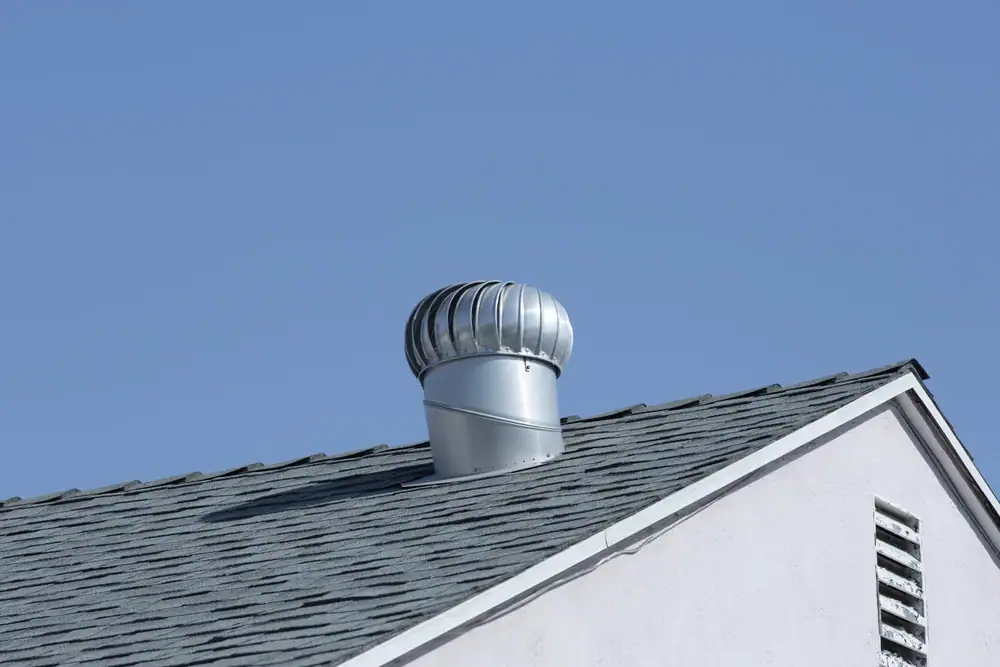
An attic fan is an exhaust system mounted on your roof or gable. Its job description is simple: kick the hot air out and invite the cooler, outside air in through your vents.
The goal isn’t to make your attic comfortable enough to host a dinner party; it’s to keep the temperature within 10 to 15 degrees of the outdoors.
On a standard 90-degree Illinois day, an unventilated attic can hit 150 degrees. That’s “don’t-touch-the-doorknob” hot. That heat radiates downward, turning your ceiling into a giant space heater and forcing your AC to work overtime. An attic fan breaks that cycle, proving that sometimes, “blowing off steam” is a highly effective financial strategy.
When your attic is 50 degrees hotter than the rest of your life, your air conditioner has to fight a constant uphill battle. It stays on longer, cycles more often, and generally lives a high-stress lifestyle.
Studies show that proper ventilation can shave 10 to 30 percent off your cooling costs. In real-world Illinois terms, if you’re spending $200 a month to stay cool, you could be putting $40 to $60 back into your “Portillo’s fund” every single month. Over five years, that’s $600 to $800 in savings—which usually covers the cost of the installation itself.
But the savings aren’t just in the monthly bill. Your AC unit is like any other machine; the less it has to “hustle,” the longer it lasts. Replacing a central AC unit can cost $3,000 to $7,000. If an attic fan adds two years to your AC’s lifespan, it’s basically paid for itself twice over.
Extreme heat is a roof’s worst enemy. Asphalt shingles are tough—they can handle wind, rain, and the occasional confused pigeon—but they aren’t meant to be slow-baked from underneath. Constant attic heat degrades the decking and makes shingles brittle, leading to a roof replacement long before you’re ready to write that $15,000 check.
The protection doesn’t take a vacation in the winter, either. In Illinois, we deal with the dreaded ice dams. These happen when your attic is too warm, melting the snow on your roof which then refreezes at the cold eaves. This creates a “dam” that forces water under your shingles and into your walls.
Unless you’re looking to install a “waterfall feature” in your living room (at 2:00 AM, nonetheless), preventing ice dams is a priority. An attic fan with a humidistat keeps moisture levels in check year-round, preventing rot in the summer and ice disasters in the winter.
Want live answers?
Connect with a Jimco Electric expert for fast, friendly support.
Not all fans are created equal. Choosing the right one depends on your attic size and how much you want to think about your ventilation (ideally, never).
Electric fans are the heavy hitters. They’re wired directly into your home and run whenever the thermostat tells them to. Solar fans are the “set it and forget it” green option—they use roof-mounted panels to run purely on sunshine. Since the sun is usually out when your attic is hottest, it’s a match made in HVAC heaven.
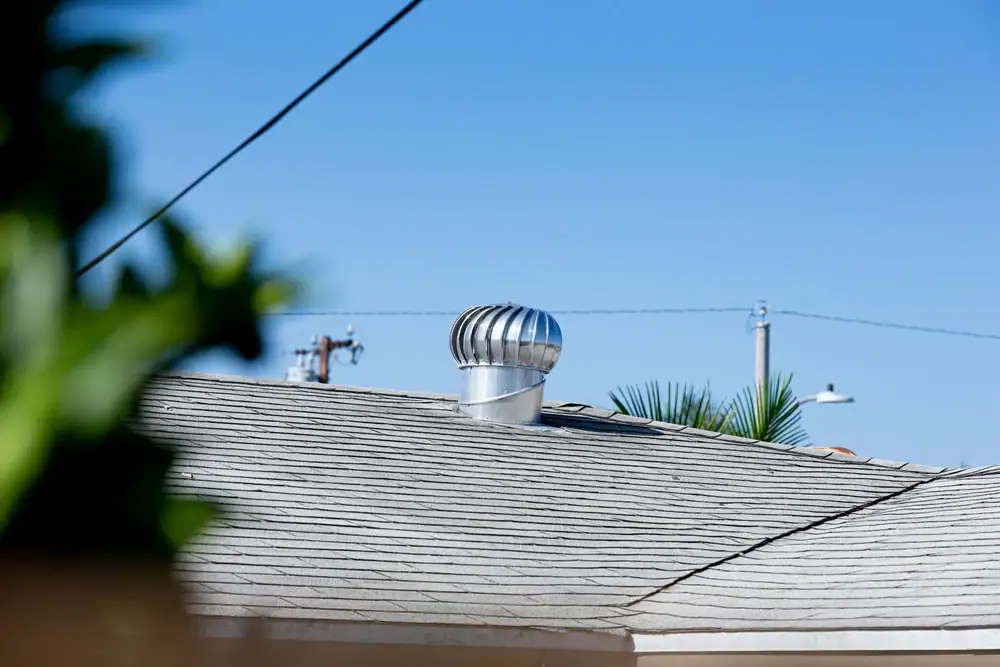
Electric fans are reliable veterans. They require professional wiring, but they offer consistent power and can be equipped with smart controls. They use about as much energy as a light bulb—roughly $5 to $15 a month—which is a small price to pay for the $60 you’re saving on the AC side.
Solar fans are the newer, trendier cousins. They cost more upfront but $0 to operate. They’re great for the environment, though they do go to sleep when the sun goes down. For most Illinois homes, that’s fine—the sun is the primary culprit for heat buildup anyway.
The most important factor is sizing. You need about 1 CFM (cubic feet per minute) of airflow for every square foot of attic space. Get a fan that’s too small, and you’re just spinning your wheels. Get one that’s too big without proper sealing, and you might accidentally suck the cold air right out of your bedroom. This is why we measure twice and install once.
Homeowners often mix these two up, but they have very different personalities.
An attic fan is a specialist. It stays in the attic and focuses on protecting the roof and reducing the heat load on your AC. It doesn’t care if you’re downstairs watching TV; its job is strictly “attic business.” A whole house fan is a socialite. It’s installed in your ceiling and pulls air from the entire house, flushing it out through the attic. It’s perfect for those cool Illinois evenings when you want to turn off the AC and let the breeze do the work.
If your goal is lower bills and a protected roof, the attic fan is your MVP. If you want to replace your AC usage entirely on mild days, you’re looking at a whole house fan.
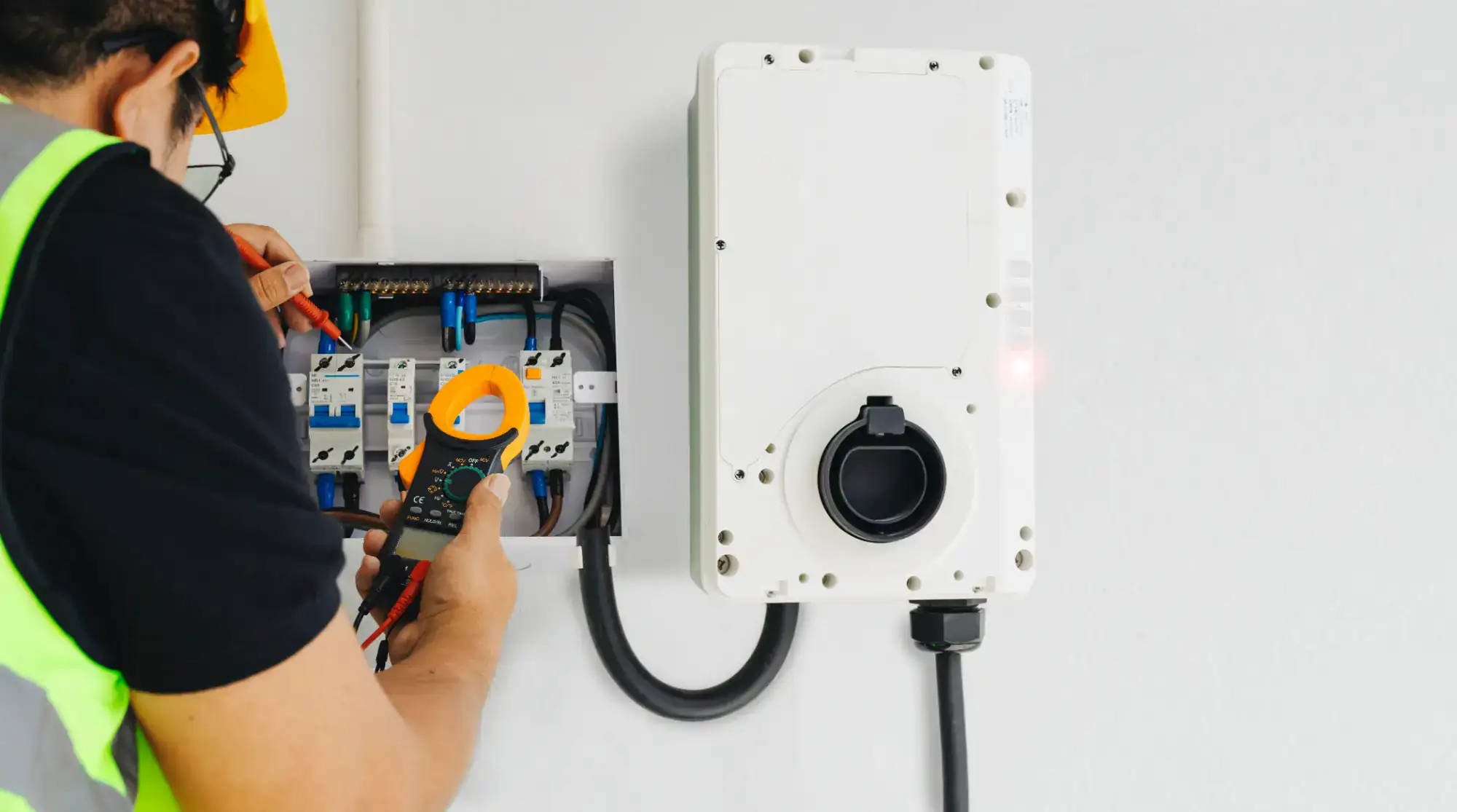
We love a good weekend project, but attic fan installation involves cutting holes in your roof and messing with high-voltage electricity—two things that rarely end well when combined with a YouTube tutorial and a “can-do” attitude.
Professional installation guarantees your roof stays watertight, your wiring is up to code, and your homeowner’s insurance stays happy. We’ve been the go-to electricians in the Chicago area for 25 years, and we’ve seen it all. We’ll make sure your fan is sized perfectly, placed strategically, and installed safely.
Ready to stop living in a toaster? Give us a call, and let’s get your attic—and your energy bill—back down to earth.
Article details:
Share:
Continue learning: