Why Interconnected Smoke and CO Detectors Are Essential
Standalone smoke detectors create dangerous blind spots. Discover how interconnected systems alert your entire household simultaneously—because a fire in the basement shouldn't be a secret from the bedrooms upstairs.
Share:
Summary:
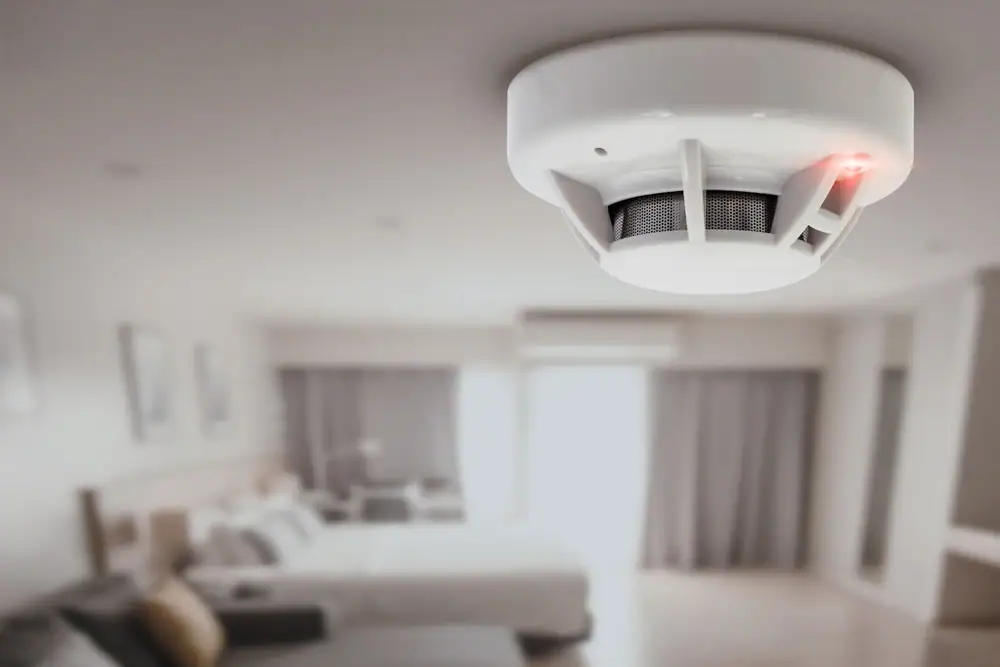
Most Illinois homeowners don’t realize their smoke detectors are basically working in “airplane mode.” A fire in your basement won’t wake you upstairs if your alarms aren’t talking to each other.
Interconnected smoke and carbon monoxide detectors solve this by triggering every alarm in your home simultaneously. It’s like a group chat for your safety, but with much louder notifications. This guide explains how these systems work, why they’re now required by Illinois law, and why Cook County homeowners are moving away from the “hope I hear it” strategy.
Table of contents
You hear a smoke alarm going off. The problem is, it’s in the basement, and you’re two floors up dreaming about winning the lottery. By the time enough smoke reaches your bedroom detector to wake you, the situation has gone from “minor problem” to “major disaster.”
Standalone detectors only alert the immediate area, which is great if you plan on sleeping next to your furnace. Interconnected smoke and carbon monoxide detectors eliminate these blind spots by creating a synchronized network. For Cook County and Will County homeowners, this isn’t just a tech upgrade—it’s the difference between a timely exit and a tragic statistic.
How Interconnected Detectors Work (Teamwork Makes the Dream Work)
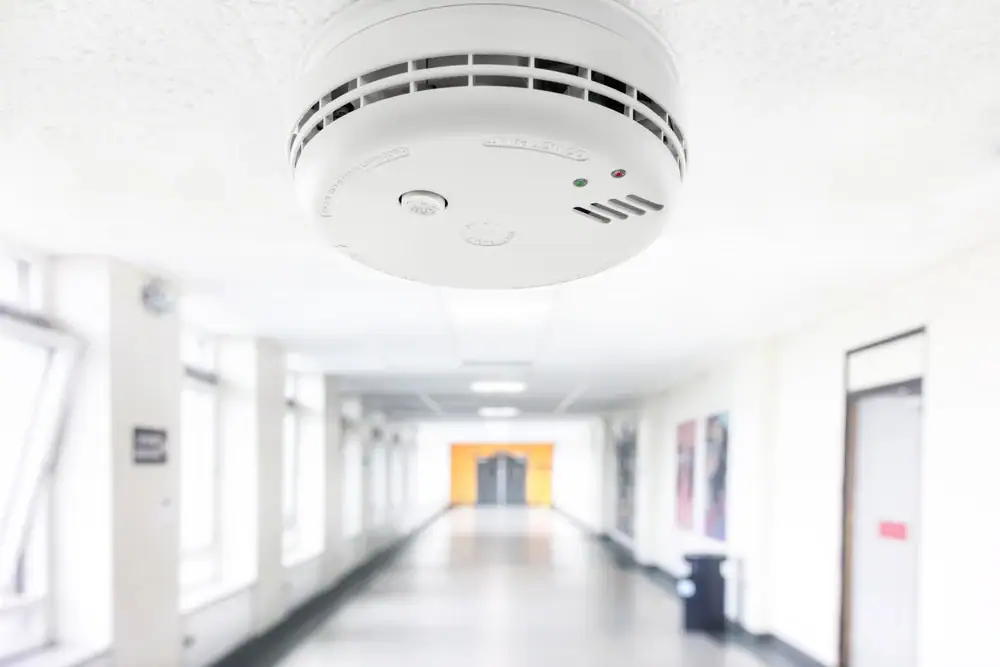
Interconnected detectors form a unified safety network. When one senses danger, it immediately signals every other detector to join the party.
Why Standalone Detectors Are Basically Sleeping on the Job
The limitation of standalone detectors is simple physics. Sound doesn’t travel through walls, closed doors, and heavy sleepers as well as we’d like to think. If a detector is sounding in the basement, it’s about as helpful to a second-floor sleeper as a “No Smoking” sign in a rainstorm.
Statistics show that more than half of fire-related injuries happen between 11 p.m. and 7 a.m. Interconnected systems solve this by making sure the warning is right in your ear, no matter where the trouble started. Working detectors reduce your risk of fire fatality by 50%, but that only works if the alarm reaches your eardrums.
Carbon Monoxide: The Silent Threat (And Why You Can’t Just "Sniff It Out")
Carbon monoxide (CO) is the ultimate ninja: it’s colorless, tasteless, and odorless. You can’t smell it, you can’t see it, and by the time you feel it, you might think you just have the flu.
CO is a byproduct of malfunctioning furnaces, water heaters, or even that car you let idle in the garage for too long. Because symptoms like dizziness and nausea are easily mistaken for a bad burrito, a detector is your only real line of defense.
An interconnected CO detector in the utility room will trigger the alarm in your hallway, making sure you get out of the house before the “silent killer” does its job. Most modern units are dual-purpose, handling both smoke and CO, so you don’t have to turn your ceiling into a gallery of plastic circles.
Want live answers?
Connect with a Jimco Electric expert for fast, friendly support.
Illinois Smoke Detector Requirements The Law Isn't Just Suggesting This
Illinois updated its smoke detector
laws in 2023, and if you’re still using those old detectors with the removable 9-volt batteries, you’re officially “retro”—and potentially non-compliant.
Effective January 1, 2023, new smoke alarms must feature a 10-year sealed battery. This law was designed because humans are notoriously bad at remembering to change batteries (or worse, “borrowing” the battery for a TV remote).
Fines for non-compliance can reach up to $1,500. Upgrading your safety system is significantly cheaper than paying the state for the privilege of being unprotected.
Where Should These Things Go?
EMPTY_FIELD
Professional Installation vs. The "I Can Do It" Approach
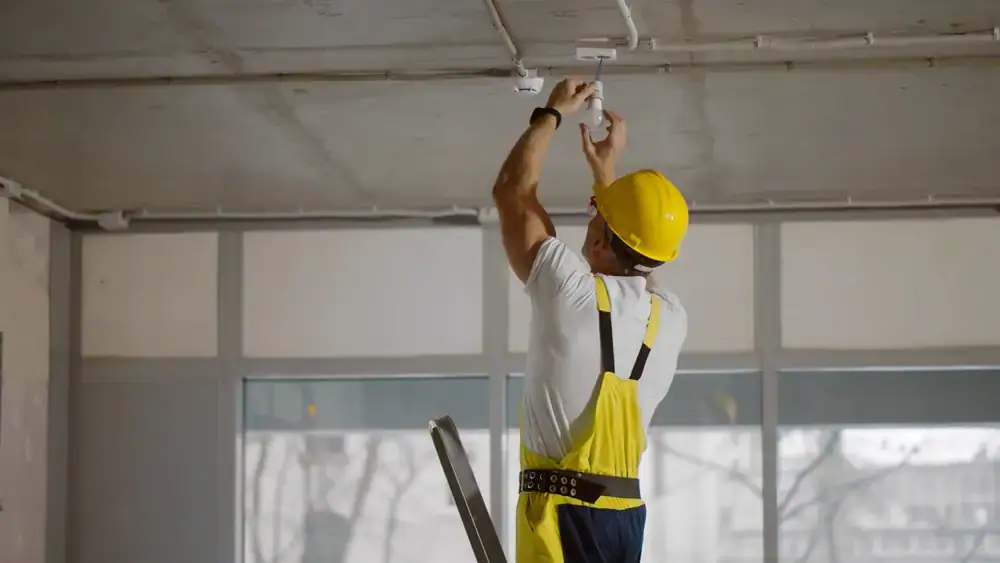
Wireless systems are relatively DIY-friendly, but hardwired interconnected systems are a whole different beast. This involves running communication wires through your walls and messing with your circuit breakers.
Safety Isn't a Solo Act
Interconnected detectors turn isolated alarms into a security team. They give your family those extra, precious seconds that make all the difference. Regardless of if it’s meeting new Illinois codes or just finally getting around to that 10-year replacement, upgrading to an interconnected system is one of the smartest investments you can make for your home.
Don’t wait for the “chirp” of a dying battery or, worse, a fire in a distant room to realize your system is outdated. We specialize in making Cook County and Will County homes safer, one synchronized beep at a time.