
Hear from Our Customers
You flip a switch and nothing happens. Or worse-you smell burning plastic near an outlet. Your breaker trips every time you run the microwave and coffee maker together. These aren’t minor annoyances. They’re safety risks that need fixing now, not next week.
That’s where a residential electrical company in Chicago, IL that actually understands older homes makes the difference. Most Chicago houses weren’t built for the electrical load you’re putting on them today. The wiring that worked fine in 1950 can’t handle your HVAC system, electric vehicle charger, and every device your family plugs in daily.
When you call us, you’re getting 25 years of experience solving the exact problems Chicago homeowners face. We show up, diagnose what’s actually wrong-not what’s most profitable to fix-and give you transparent pricing before any work starts. You’ll know if you need a panel upgrade because your 60-amp service can’t support modern life, or if adding a dedicated circuit solves the problem for a fraction of the cost.
We’ve been the local electrical company Chicago homeowners call when something goes wrong since before smartphones existed. That’s 25 years of emergency repairs, panel upgrades, rewiring jobs, and EV charger installations across every neighborhood in the city.
We’re licensed, bonded, and insured because that’s the baseline. What matters more is that we specialize in residential electrical work-the kind where you need someone who understands why your Wicker Park greystone keeps tripping breakers or why your Pilsen bungalow still has knob-and-tube wiring that should’ve been replaced decades ago.
You’re not getting a sales pitch. You’re getting an honest assessment from electricians who’ve seen every electrical problem Chicago’s housing stock can throw at us. We offer discounts for military, first responders, seniors, teachers, and students because the people who serve this city deserve a break.
You call or submit a request describing what’s happening. We ask a few questions to understand if it’s an emergency-like a burning smell or complete power loss-or something we can schedule within a day or two.
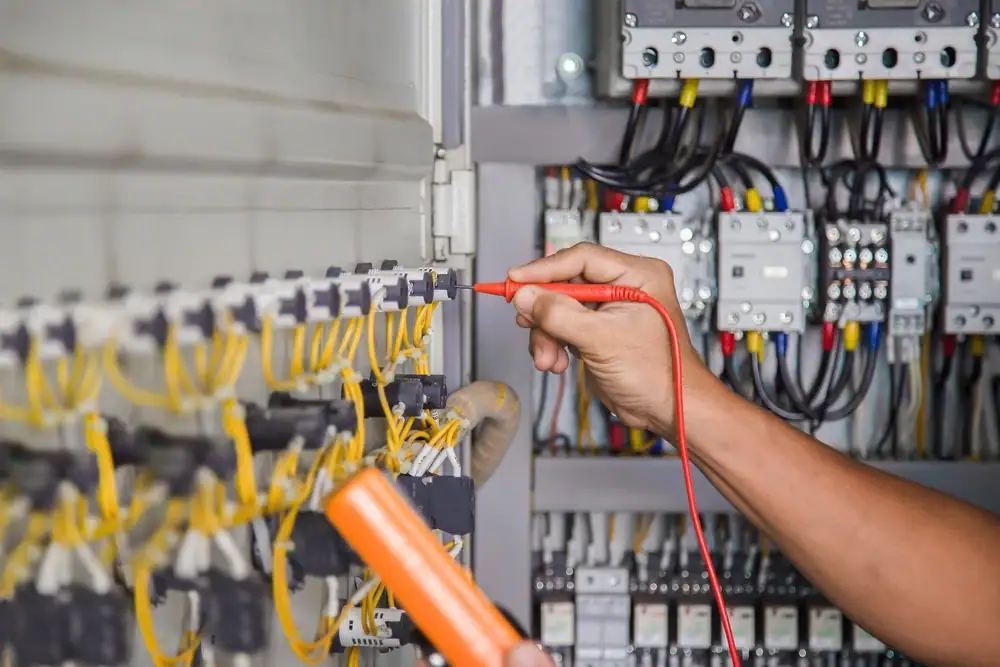
We show up on time. Our electrician walks through the problem with you, inspects your electrical panel, checks the circuits, and figures out what’s actually causing the issue. You get a clear explanation of what’s wrong and why it’s happening, not technical jargon designed to confuse you.
Before any work starts, you see the price. No surprises, no “well, actually” moments after we’re halfway done. If you approve, we fix it right then when possible. For bigger jobs like panel upgrades or rewiring, we schedule the work at a time that works for your life.
Once the work’s complete, we test everything, clean up, and make sure you understand what we did. You’re not left wondering if the problem’s actually solved. If your electrical system passes inspection and your lights stop flickering, we did our job.
Ready to get started?
Emergency electrical repairs are what we do most. That’s everything from outlets that stopped working to circuit breakers that won’t stop tripping to the terrifying smell of burning plastic coming from your walls. We’re available 24/7 because electrical emergencies don’t wait for business hours.
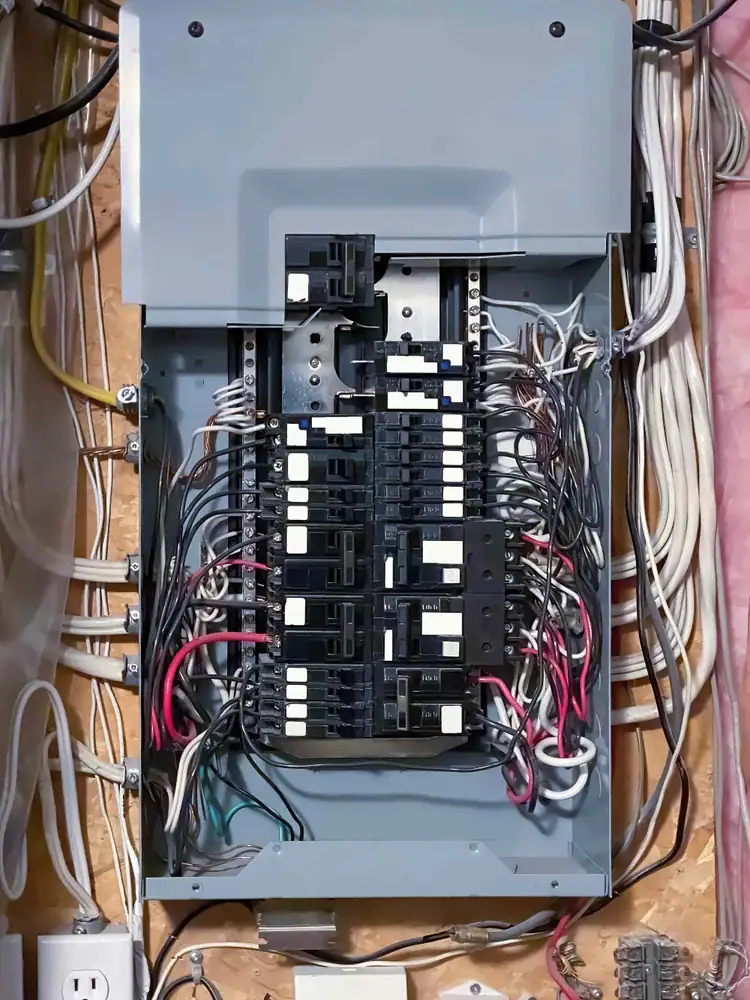
Panel upgrades are critical for Chicago homes. If your house was built before 1980, there’s a good chance your electrical panel can’t handle what you’re asking it to do. We upgrade 60-amp and 100-amp panels to 200-amp service so you can actually use your home’s electricity without constantly resetting breakers. This also brings your home up to current code, which matters when you sell.
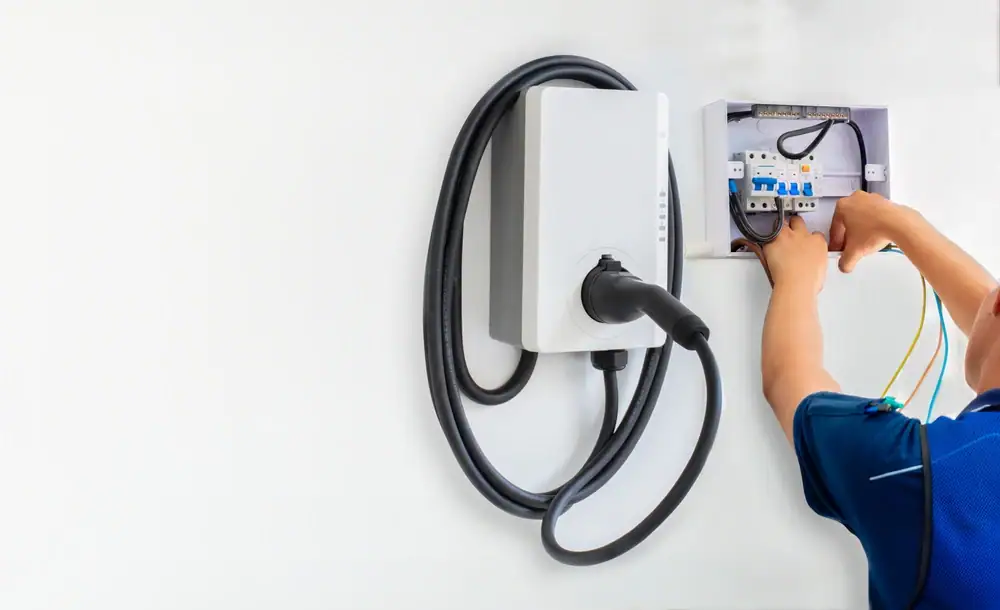
EV charger installation is becoming standard. You bought an electric vehicle and now you need a dedicated 240-volt circuit to charge it overnight. We install Level 2 chargers that fully charge your car in hours, not days. This requires running new wiring and often upgrading your panel capacity, which is exactly the kind of work we handle daily.
Adding circuits and outlets solves the extension cord problem. If you’re daisy-chaining power strips because you don’t have enough outlets, you’re creating a fire hazard. We add dedicated circuits for home offices, kitchens, and entertainment centers so you’re not overloading the wiring your house came with.
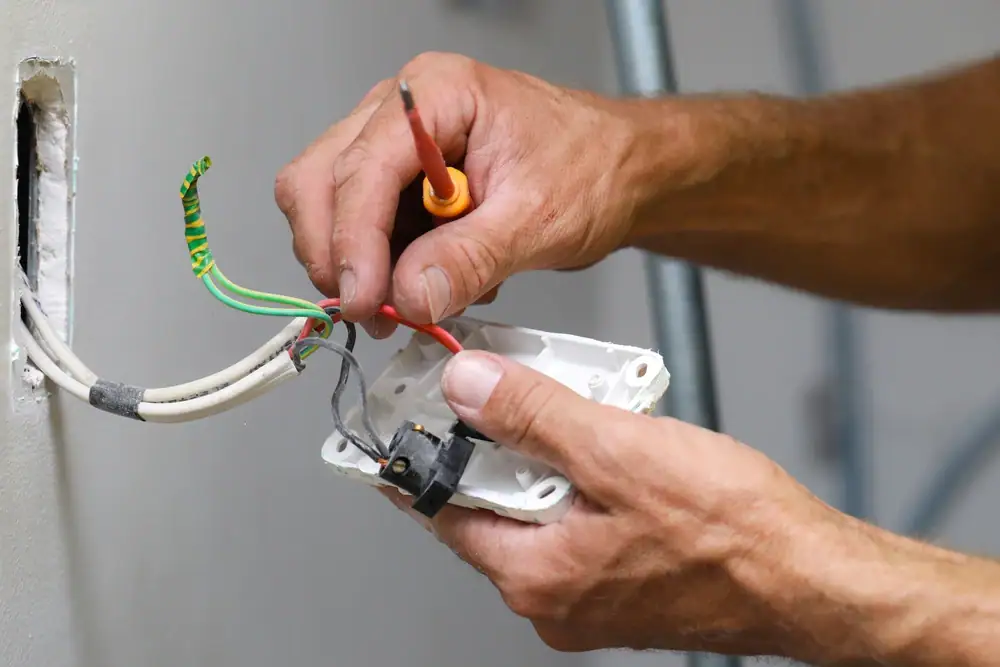
Your panel needs upgrading if you’re constantly resetting tripped breakers, your lights dim when you turn on major appliances, or your home still has a 60-amp or 100-amp panel. Most modern Chicago homes need 200-amp service to safely run HVAC systems, kitchen appliances, electronics, and electric vehicle chargers simultaneously.
Another clear sign is if you’re planning any major renovation or addition. Building permits in Chicago require your electrical system to meet current code, which often means upgrading an outdated panel. If your panel still uses fuses instead of circuit breakers, or if you see rust, scorch marks, or a burning smell near the panel, you need an immediate inspection.
The typical Chicago home built before 1980 wasn’t designed for today’s electrical demands. Air conditioning alone draws significant power, and when you add computers, phone chargers, smart home devices, and modern kitchen appliances, you’re asking 60-year-old wiring to do something it was never meant to handle. Upgrading your panel isn’t just about convenience-it’s about safety and preventing electrical fires.
A burning smell near outlets or inside walls usually means wire insulation is melting due to overheating. This happens when wires carry more electrical current than they’re rated for, when connections become loose and create resistance, or when old wiring deteriorates and exposes bare conductors that short against each other.
In Chicago’s older homes, this is often caused by aluminum wiring installed in the 1960s and 1970s. Aluminum expands and contracts more than copper when it heats up and cools down, which loosens connections over time. Those loose connections create heat, which melts insulation and creates that distinct burning plastic smell. Knob-and-tube wiring, common in homes built before 1950, also breaks down over decades and becomes a fire hazard.
If you smell burning near an outlet, breaker panel, or anywhere in your walls, shut off power to that circuit immediately and call us. This isn’t something you wait on. The smell means something is already overheating, and electrical fires can start quickly once insulation fails. We can identify whether you need to replace a single circuit, rewire a section of your home, or address a larger electrical system problem.
Simple repairs like replacing an outlet or fixing a single circuit typically start around $150 to $300. Emergency service calls, especially after hours, run higher because you’re paying for immediate availability when you need it most. More involved work like adding new circuits, installing dedicated lines for appliances, or upgrading subpanels ranges from $500 to $2,000 depending on complexity and materials.
Panel upgrades are the biggest investment, usually between $1,500 and $4,000 for a full 200-amp service upgrade. This includes the new panel, breakers, labor, permits, and inspection. If your home needs significant rewiring to bring it up to code, costs increase based on how much of the house needs new wiring and whether walls need to be opened.
We give you transparent pricing before starting any work. You’ll know exactly what you’re paying and why, with no surprise charges after we’re done. The cost of electrical work reflects the skill required to do it safely and correctly-bad electrical work creates hazards that last for years, while proper work keeps your home safe and functional. We also offer discounts for military, first responders, seniors, teachers, and students to make quality electrical service more accessible.
Technically, you can install a basic Level 1 charger that plugs into a standard 120-volt outlet without any electrical work. But that charges your vehicle incredibly slowly-about 4 miles of range per hour of charging. For most EV owners, that’s not practical.
Installing a Level 2 charger, which runs on 240 volts and charges your car fully overnight, requires a licensed electrician. You need a dedicated circuit run from your electrical panel to wherever you’re mounting the charger, typically in your garage or driveway. This isn’t like installing a light fixture-you’re working with the same voltage that powers your dryer and oven, and incorrect installation creates serious fire and electrocution risks.
Chicago requires permits for this type of electrical work, and the installation must pass inspection to meet code. If your electrical panel doesn’t have capacity for the additional 40 to 50 amps an EV charger draws, you’ll need a panel upgrade first. We handle the entire process: assessing your current electrical system, upgrading your panel if needed, running the new circuit, installing the charger, and coordinating the permit and inspection. You end up with a safe, code-compliant installation that charges your vehicle quickly without overloading your home’s electrical system.
A licensed electrician completed years of apprenticeship training, passed comprehensive exams covering electrical theory and the National Electrical Code, and maintains continuing education to stay current with code changes. We carry insurance that protects you if something goes wrong, and we pull permits for work that requires inspection. Our work is guaranteed to meet code because our license depends on it.
A handyman might know how to replace an outlet or install a ceiling fan, but they’re not trained to diagnose complex electrical problems, size circuits correctly, or understand how changes to one part of your electrical system affect everything else. They typically don’t carry the insurance required for electrical work, and they often skip permits to avoid inspections. If their work causes a fire or someone gets hurt, you’re liable.
In Chicago, electrical work beyond basic repairs legally requires a licensed electrician. When you sell your home, unpermitted electrical work discovered during inspection can kill deals or force you to pay for corrections. Insurance companies can deny fire claims if they determine unlicensed electrical work caused the problem. The money you save hiring someone cheaper disappears quickly when you’re paying a licensed electrician to fix dangerous work and bring everything up to code after the fact.
Most residential panel upgrades take one full day once we start the work. We typically begin in the morning, shut off power to your home, remove the old panel, install the new 200-amp panel, reconnect all your circuits, restore power, and complete final testing by late afternoon or early evening.
The timeline extends if your home needs additional work. If the service line coming from the street needs upgrading, we coordinate with ComEd to disconnect and reconnect service, which can add a day or more depending on their schedule. If your home’s grounding system doesn’t meet current code, we install proper grounding rods and bonding. If your main breaker is located outside and needs relocation, or if significant rewiring is required to bring circuits up to code, the project takes longer.
We handle all permits before starting work, which adds a few days to the overall timeline but doesn’t affect how long we’re actually at your house. After installation, a city inspector verifies everything meets code. We schedule that inspection and make sure we’re available if the inspector has questions. You’re without power for several hours during the actual panel swap, so we recommend planning accordingly-but you’re not living in the dark for days while we complete the work.