
Hear from Our Customers
That burning smell coming from your outlet isn’t going to fix itself. Neither is the breaker that keeps tripping every time you run the dryer. These aren’t minor annoyances-they’re warnings that something in your electrical system needs attention now.
You need someone who picks up the phone when you call at 9 PM on a Saturday. Someone who shows up when they say they will and tells you exactly what’s wrong before they start pulling wires. You need to know the price before the work starts, not after.
When your power goes out and your neighbor’s lights are still on, that’s not a utility problem. That’s your electrical system telling you it can’t handle what you’re asking it to do. Maybe it’s old wiring that was fine in 1985 but can’t support your modern appliances. Maybe it’s a panel that needs an upgrade. Either way, you deserve to know what’s actually happening in your walls and what it’ll take to fix it right.
We’ve been working in Lynwood homes since before everyone had a smartphone charger in every room. Back then, electrical systems were simpler. Now you’re running EV chargers, home offices, smart home devices, and entertainment systems that pull serious power-often through wiring that was never designed for it.
Most Lynwood homes were built when electrical demands were a fraction of what they are today. Your monthly electric bill averages around $91, which is lower than the Illinois average of $105, but that doesn’t mean your system can handle everything you’re plugging in. We’re licensed, bonded, and insured because that’s the baseline-not something to brag about.
What actually matters is whether we show up on time, diagnose the real problem, and fix it so you’re not calling someone else next month. We’ve done that for 25 years in this area, and we’re still here because we do the work right the first time.
You call or text us with the problem. We ask a few questions to understand what’s happening-flickering lights, breaker trips, outlets not working, burning smell, whatever it is. If it sounds like an emergency, we tell you what to do immediately to stay safe while we’re on our way.
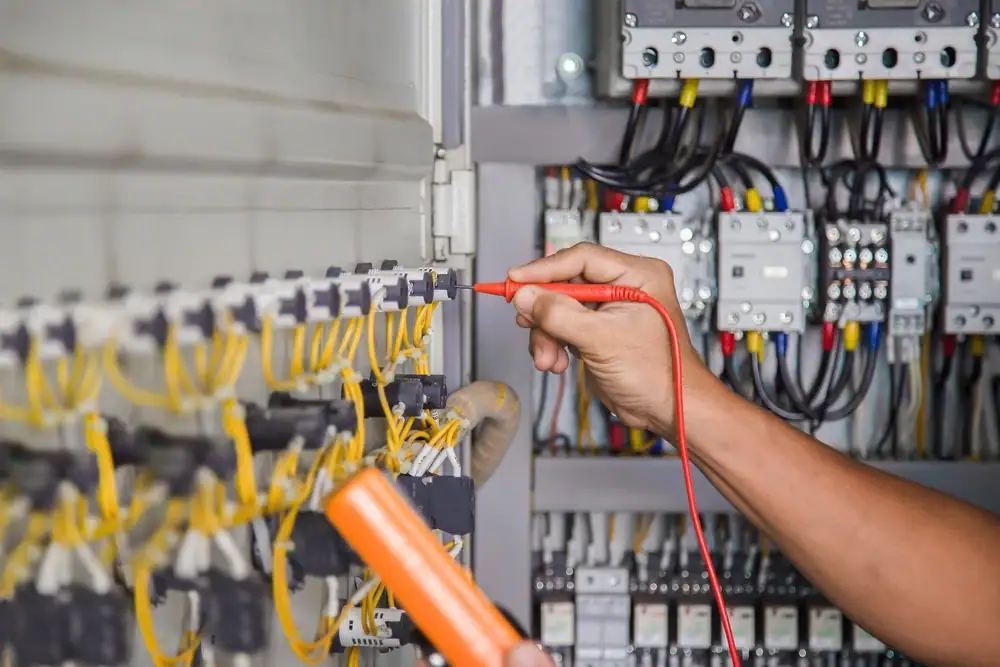
We show up when we say we will. Our electrician walks through what they’re seeing, what’s causing it, and what it’ll take to fix it. You get the price before any work starts. No surprises, no “well, now that we’re in here” upsells.
Once you approve the work, we fix it. We test everything to make sure it’s working properly and safely. Before we leave, we walk you through what we did and answer any questions you have. You get a warranty on the work, and if something doesn’t seem right later, you call us back. That’s it.
Ready to get started?
You get a licensed electrician who knows residential electrical systems inside and out. We handle emergency repairs when your power goes out, your panel starts buzzing, or you smell something burning. We also do the planned work-panel upgrades, new circuits for EV chargers, service changes when you need more capacity.
Lynwood’s housing stock includes plenty of older homes that were never designed for today’s electrical load. You’re running central air, multiple refrigerators, computers, TVs, and charging stations through systems built for a few lights and a radio. That’s why breakers trip. That’s why you see flickering. Your home’s electrical system is maxed out.
We also handle the basics that keep your home running-outlet installations, lighting fixtures, ceiling fans, GFCI outlets in bathrooms and kitchens. If it involves electricity in your home, we’ve fixed it before. We offer discounts for military, first responders, seniors, teachers, and students because those are the people who keep Lynwood running.
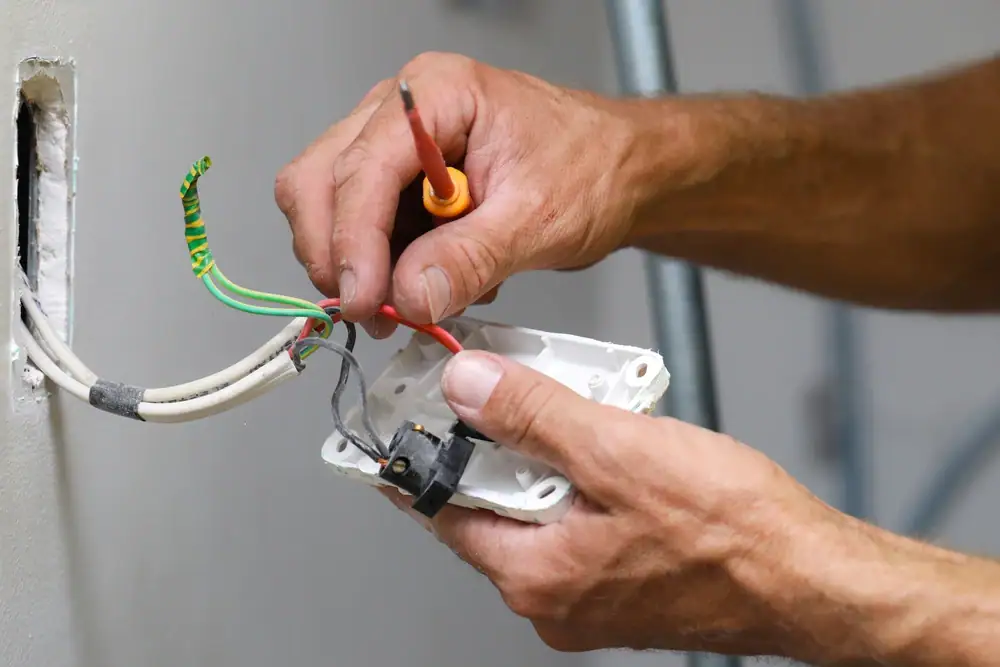
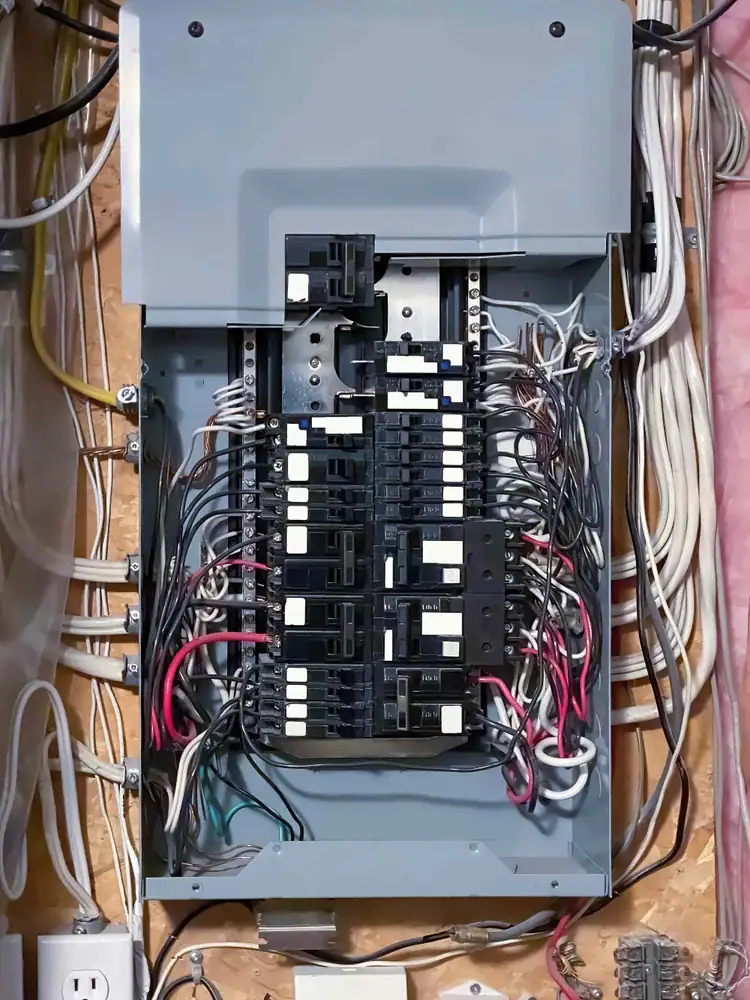
Your breaker keeps tripping even when you’re not running anything unusual. That’s the clearest sign your panel can’t handle your home’s electrical demand anymore. Most older Lynwood homes have 100-amp or 150-amp panels that were fine decades ago but struggle with modern loads.
If you’re adding an EV charger, a home addition, or central air conditioning, your existing panel probably won’t support it. EV chargers alone can pull 40-50 amps, which is a huge draw on an already-stressed system. You might also notice lights dimming when the AC kicks on, or you can’t run the microwave and toaster at the same time without losing power.
Another red flag is a panel that’s warm to the touch or making buzzing sounds. That’s not normal, and it means something inside is struggling-possibly failing. If your panel is a Federal Pacific or Zinsco brand, it should be replaced regardless of age. Those brands have known safety issues and won’t protect your home the way they should.
Anything involving smoke, sparks, burning smells, or exposed wiring is an emergency. If you see any of those, shut off power at the main breaker if you can do it safely, and call us immediately. Don’t wait until morning or try to fix it yourself.
Power outages that only affect your home-not your neighbors-can also be emergencies, especially if they’re partial. If half your house has power and half doesn’t, that often means a serious issue with your main panel or service line. Breakers that won’t reset or feel hot to the touch also need immediate attention.
Persistent flickering lights might not seem urgent, but they can signal dangerous wiring problems that lead to electrical fires. Same with outlets that are discolored, warm, or giving off any smell. These are early warnings that something’s failing, and electrical failures don’t get better on their own-they get worse. If you’re not sure whether it’s an emergency, call us anyway. We’d rather tell you it can wait than have you ignore something serious.
Your breaker trips because it’s doing its job-protecting your home from an overloaded circuit or a short. The question is why it’s happening repeatedly. Most often, it’s because you’re pulling more power through that circuit than it was designed to handle.
Older Lynwood homes typically have 15-amp circuits in most rooms. That’s enough for a few lamps and a TV, but not enough for a space heater, laptop, phone chargers, and a hair dryer all running at once. When you exceed the circuit’s capacity, the breaker trips to prevent the wiring from overheating and causing a fire.
Sometimes the problem is a faulty appliance that’s drawing too much power or creating a short. Other times it’s damaged wiring inside the walls-maybe from a renovation, rodents, or just age. If the same breaker keeps tripping even when you’re not running much, that’s a sign of a bigger problem. Breakers can also wear out over time and trip too easily. Either way, repeated tripping isn’t something to ignore or “work around” by resetting it constantly.
Emergency electrical service typically costs more than scheduled work because it happens outside normal business hours and requires us to drop everything to get to you. You’re paying for availability and speed when you need it most-not just the repair itself.
Standard electrical service in Lynwood runs $50-$100 per hour during normal hours. Emergency calls-nights, weekends, holidays-can range from $100-$200 per hour. That covers the service call, diagnosis, and labor. Parts and materials are separate and depend on what’s needed to fix the problem.
We give you upfront pricing before we start any work, so you know exactly what you’re paying. There are no surprise charges or “now that we’re here” fees. If you’re a senior, teacher, military member, first responder, or student, we offer discounts that can help offset the cost. The real cost of an electrical emergency isn’t what you pay to fix it-it’s what happens if you don’t. Electrical fires cause over $1 billion in property damage every year, and most start from problems that gave clear warning signs.
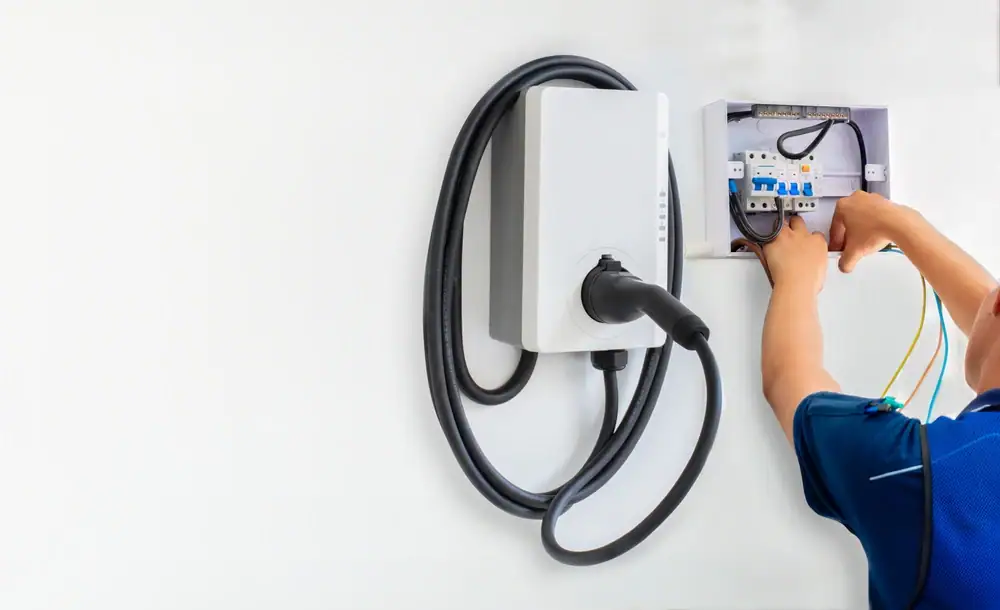
Maybe. It depends on whether your current panel has the capacity and available space for a new high-amp circuit. Most EV chargers need a dedicated 240-volt circuit that pulls 40-50 amps. That’s a significant load-about the same as running a clothes dryer and an electric oven at the same time.
If your panel is already running close to capacity, adding an EV charger circuit will overload it. We see this often in Lynwood homes with 100-amp or 150-amp panels that are already supporting air conditioning, electric appliances, and modern electronics. The math just doesn’t work without an upgrade.
Even if your panel has enough capacity, it needs physical space for the new breaker. Some older panels are full, meaning there’s nowhere to add another circuit without removing something else. We can evaluate your current panel, calculate your total load, and tell you whether you can add the circuit safely or if you need a panel upgrade first. Skipping this step and forcing a new circuit into an overloaded panel is dangerous and won’t pass inspection if you ever sell your home.
Check their license first. Illinois requires electrical contractors to be licensed, and you can verify that online through the state. If they’re not licensed, don’t hire them-period. You also want to confirm they’re bonded and insured, which protects you if something goes wrong during the job.
Look at how long they’ve been in business and read their reviews, but read between the lines. Every company has a few bad reviews-what matters is how they respond and whether the same problems come up repeatedly. If multiple people mention surprise charges, no-shows, or sloppy work, believe them.
Ask for upfront pricing before any work starts. A trustworthy electrical company will diagnose the problem, explain what needs to be done, and give you a price before they touch anything. If someone starts working first and tells you the price later, that’s a red flag. You should also ask about warranties on the work. We stand behind what we do, and any reputable electrical contractor should do the same. Finally, trust your gut. If something feels off during the initial call or visit, it probably is.