
Hear from Our Customers
You flip a switch and nothing happens. Or worse—you smell something burning near your electrical panel. These aren’t problems you can ignore until next week.
Most homes in Prospect Heights were built around 1975. Back then, nobody planned for home offices, EV chargers, or the number of devices your family runs daily. Your electrical system wasn’t designed for how you actually live now.
When you call a residential and commercial electrical company that understands emergency work, you get someone who shows up ready to diagnose the real issue. Not just reset a breaker and leave. You get a licensed electrician who explains what’s happening, what needs to happen next, and what it costs before any work starts. Then the problem gets fixed correctly so you’re not calling someone else in three months.
We’ve been handling electrical emergencies in Prospect Heights, IL since 1999. We’re licensed, bonded, and insured—which matters more than you’d think when someone’s working inside your walls.
We focus on residential electrical work because that’s where the urgent stuff happens. Flickering lights that won’t stop. Panels that trip every time you run the dryer. Burning smells you can’t locate. These are the calls we take seriously, and they’re the problems we’ve solved thousands of times.
You’re not getting a generalist who does a little bit of everything. You’re getting a local electrical company that built its reputation on showing up fast and fixing things permanently. We offer discounts for military, first responders, seniors, and teachers because we live and work in this community too.
You call or contact us with the problem. We ask a few questions to understand what’s going on and whether it’s an emergency. If it’s urgent—like a burning smell or total power loss—we prioritize getting someone to your home the same day.
When we arrive, we diagnose the issue and explain what we found in plain terms. No jargon. No upselling. You get transparent pricing before we start any work. If you approve, we handle the repair right then whenever possible.
Most emergency calls get resolved on the first visit. If we need to order a part or schedule a bigger job like a panel upgrade, we make sure your home is safe in the meantime. Then we come back and finish the work correctly. You get a system that works the way it should, and you’re not wondering if it’ll fail again next month.
Ready to get started?
You get emergency electrical repairs when something goes wrong at the worst possible time. Circuit breakers that keep tripping. Outlets that stopped working. Lights that flicker no matter how many bulbs you replace. We handle the urgent stuff that makes you worry about safety.
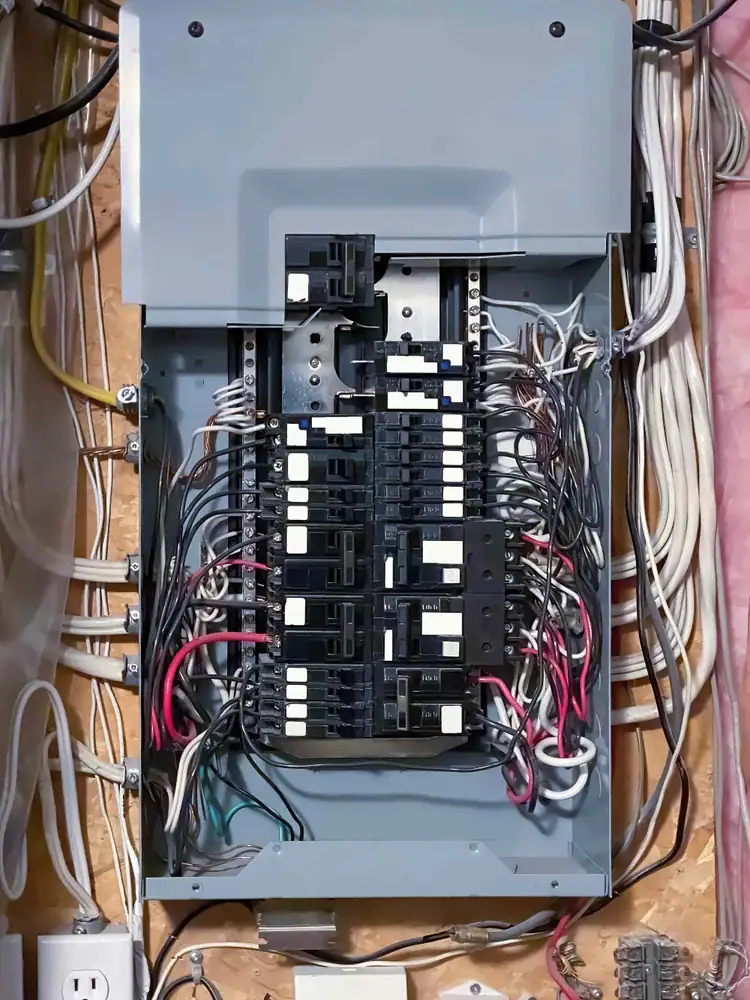
You also get panel upgrades for homes that can’t keep up anymore. If your electrical panel is original to a 1975 home, it wasn’t built for today’s load. Adding an EV charger or upgrading your HVAC system often means your panel needs an upgrade first. We size it correctly and make sure it meets current code requirements for Prospect Heights, IL.
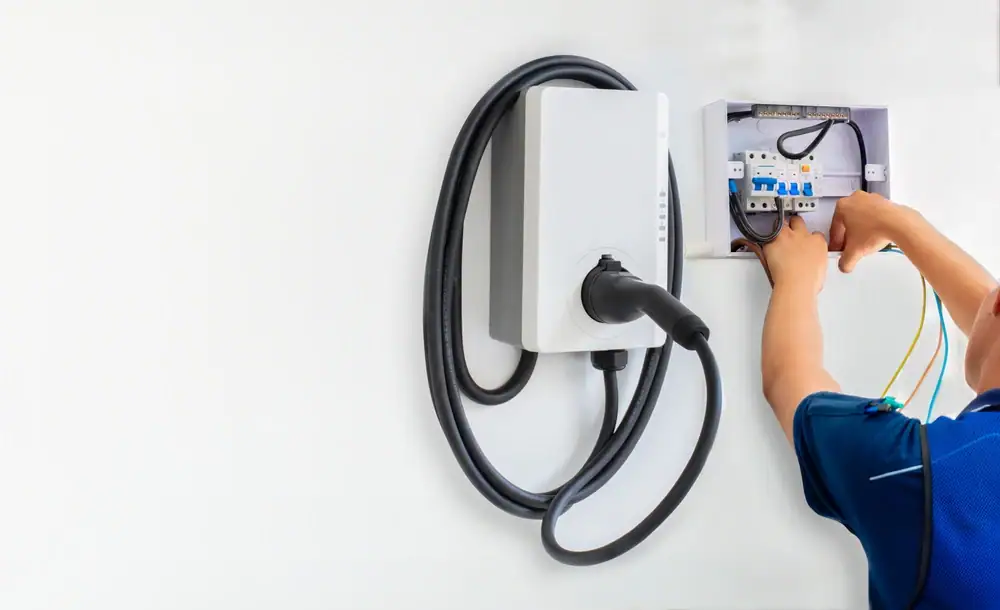
We install new circuits when you need more power in specific areas. Home offices, kitchen remodels, EV chargers in your garage—these all require dedicated circuits. We run the wiring, install the breakers, and make sure everything’s inspected and compliant. The average Prospect Heights household pays about $91 monthly for electricity, but outdated wiring can drive that number up while creating safety risks. Fixing the electrical issues you’re dealing with now often means lower bills and fewer problems down the road.
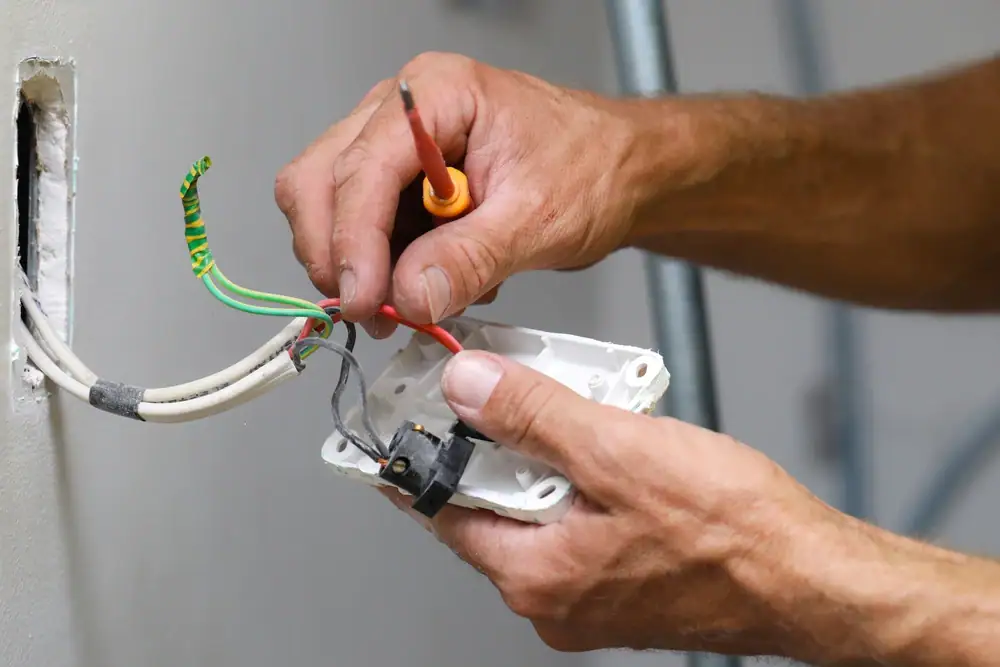
Same-day response is standard for true emergencies. If you’re dealing with a burning smell, sparking outlets, or complete power loss, that gets priority scheduling.
We keep our schedule flexible specifically for these situations because electrical emergencies don’t wait for business hours. When you call, we assess the urgency and give you a realistic timeframe. Most emergency calls in Prospect Heights get a technician on-site within a few hours.
For non-emergency work like adding a circuit or upgrading a panel, we typically schedule within a few days. But if your electrical system is creating a safety hazard right now, we treat it like the emergency it is.
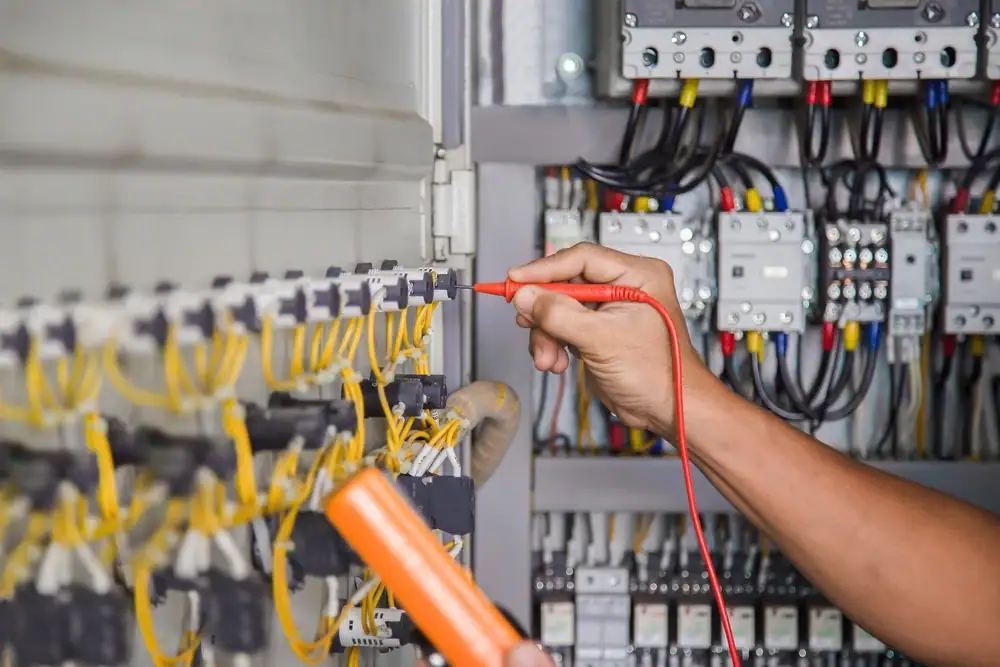
We start with the specific problem you called about, but we also look at the bigger picture. If you’re having issues with one circuit, we check your panel to see if there are other problems developing.
We test for proper grounding, look for signs of overheating or damaged wiring, and make sure your breakers are sized correctly for the circuits they protect. Homes built in the 1970s often have aluminum wiring or outdated panels that create safety risks you might not notice until something fails.
You get a clear explanation of what we find. If there’s an immediate safety concern, we tell you. If something needs attention soon but isn’t urgent, we explain that too. Then you decide what gets fixed and when.
Your electrical panel is the hub for your entire system. Older panels weren’t designed for the electrical load modern homes require. When your home was built, you didn’t have computers, smart devices, electric vehicle chargers, or high-efficiency HVAC systems pulling power constantly.
Most panels from the 1970s max out at 100 or 150 amps. Today’s homes often need 200 amps or more to safely handle everything you’re running. When you exceed your panel’s capacity, breakers trip constantly—or worse, they don’t trip when they should, which creates fire risks.
Upgrading your panel means you can add the circuits you need without overloading your system. It also means better protection for your home. Modern panels include safety features that older models lack, and they’re built to handle the way you actually use electricity now.
Focus. A residential and commercial electrical company that specializes in homes understands the specific problems homeowners face. We know what fails in older homes, what code requirements apply to residential work, and how to solve problems permanently without unnecessary costs.
Commercial electrical work involves different codes, different equipment, and different priorities. When you call an electrical contractor who primarily does commercial jobs, you’re often not getting someone who specializes in the emergency residential repairs that keep you up at night.
We’ve spent 25 years focused on residential service. That means we’ve seen your exact problem before, probably dozens of times. We know how to fix it efficiently, and we know what it should cost. You’re not paying for someone to figure it out as they go.
Any burning smell related to your electrical system should be treated as dangerous until proven otherwise. If you smell burning plastic, see smoke near outlets or your panel, or notice a hot electrical smell, shut off power at the main breaker if you can do so safely and call immediately.
Sometimes the smell comes from a specific appliance or fixture that’s failing. Other times it indicates a serious wiring problem inside your walls. Overloaded circuits, loose connections, and damaged wiring all create heat, and heat creates that burning smell you’re noticing.
Don’t wait to see if it gets worse. Electrical fires often start small and spread fast. When you call a local electrical company for an emergency like this, you get someone who can locate the source, determine the risk level, and fix the underlying problem before it becomes a bigger issue.
Licensing comes first. Illinois requires electrical contractors to be licensed, and that license means they’ve met specific training and testing requirements. Bonded and insured matters too—if something goes wrong, you’re protected.
Look for a best rated electrical company with a track record in your area. How long have they been in business? Do they specialize in residential work, or are they trying to do everything? Can they provide references or show proof of completed work that’s similar to what you need?
Ask about response times for emergencies and how they handle pricing. Transparent, upfront pricing means you know what you’re paying before work starts. And pay attention to how they communicate. If they can’t explain your electrical problem in terms you understand, that’s a red flag. You deserve clear answers and honest recommendations, not pressure or confusion.