
Hear from Our Customers
You’re not dealing with a breaker that keeps tripping or a burning smell coming from the wall because it’s convenient. You need it fixed now, and you need to know it’s done right so it doesn’t happen again next week.
That’s what happens when you call a licensed electrical contractor who actually specializes in emergency repairs. The problem gets diagnosed fast, fixed correctly, and you get a clear explanation of what went wrong and why. No runaround, no upselling you on things you don’t need.
Most of the homes in South Chicago Heights were built between the 1950s and 1970s. That means outdated panels, insufficient circuits for modern appliances, and wiring that wasn’t designed for the electrical load you’re putting on it today. When we show up, we’re looking at your system the way it actually is-not the way it was 50 years ago.
We’ve been doing residential electrical work in South Chicago Heights and the surrounding area for over two decades. Most of our calls are emergencies-power outages, sparking outlets, panels that need immediate upgrades because they’re overloaded or outdated.
We’re licensed, bonded, and insured, which matters more than it sounds like it does. It means the work gets done to code, it passes inspection, and if something ever goes wrong, you’re covered. We also offer discounts for military, first responders, seniors, teachers, and students because we live and work in this community too.
You’re not getting a new hire or someone learning on the job. You’re getting electricians who’ve seen the same problems in hundreds of South Chicago Heights homes and know how to fix them the right way the first time.
You call or contact us, and we ask a few questions to understand what’s going on. Is the power out? Do you smell burning? Is a breaker tripping repeatedly? That helps us know whether this is an emergency or something we can schedule in the next day or two.
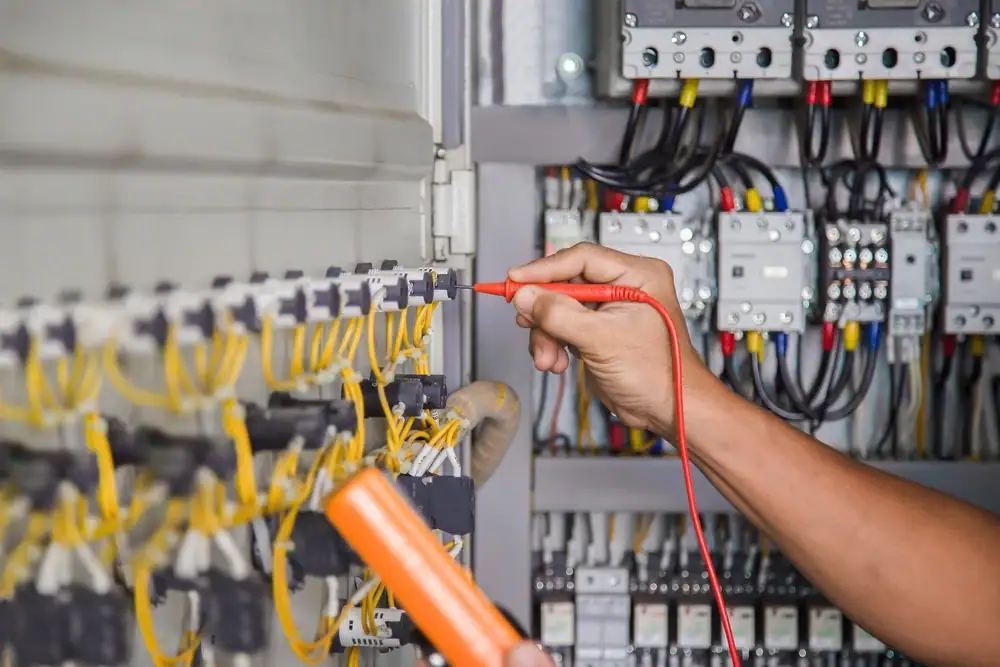
If it’s urgent, we prioritize it. Most emergency calls in South Chicago Heights get a response within a couple of hours-sometimes faster. We show up, assess the situation, and give you a clear explanation of what’s wrong and what it’ll cost to fix before we start any work.
Once you approve, we handle the repair or upgrade. That could mean replacing a faulty breaker, rewiring a circuit, upgrading your panel to handle more load, or installing a new circuit for an EV charger. When we’re done, the system works, it’s safe, and it’s compliant with current electrical codes. You get documentation of the work, and if an inspection’s required, we make sure it passes.
Ready to get started?
Emergency electrical repairs are the bulk of what we handle. That includes power outages, circuit failures, outlets that spark or don’t work, burning smells from electrical sources, and breakers that won’t stay on. These aren’t problems you can ignore, and they’re not DIY projects.
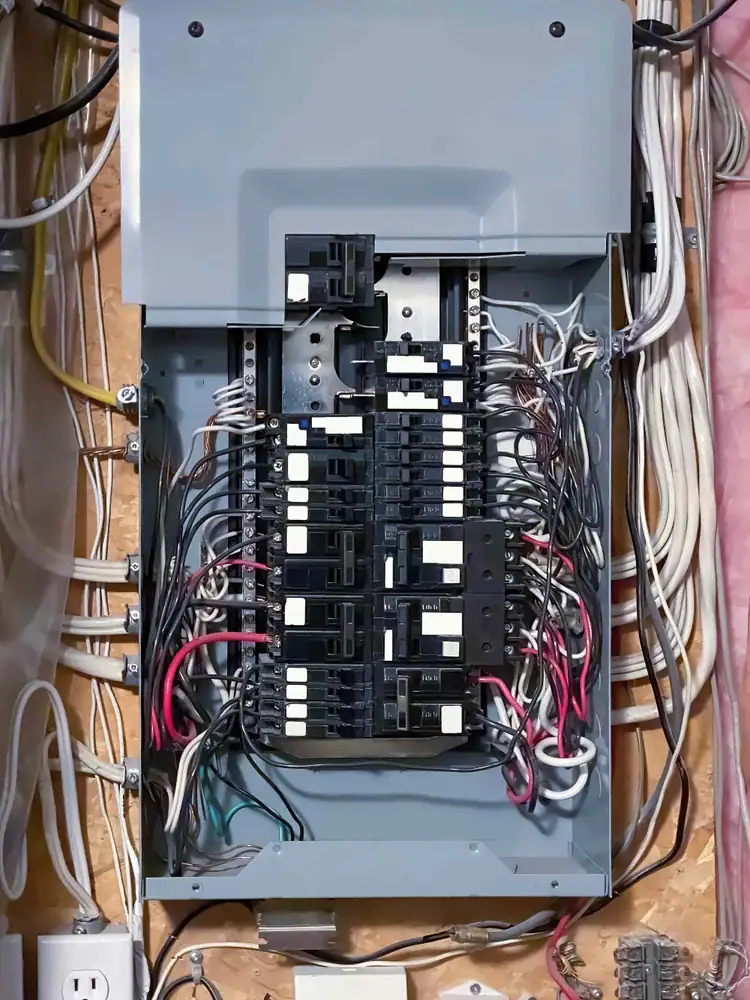
We also do a lot of panel upgrades. Homes built in the ’50s, ’60s, and ’70s typically have 60- to 100-amp panels, and that’s not enough for modern life. You’re running HVAC systems, kitchen appliances, computers, TVs, and possibly an electric vehicle charger. Upgrading to a 200-amp panel gives you the capacity you need and eliminates the constant tripping and overload issues.
Circuit additions are another common request. Maybe you’re adding a home office, installing an EV charger in your garage, or upgrading your kitchen. New circuits mean dedicated power for those areas without overloading your existing system. Every 11.5 minutes, an electrical fire gets reported somewhere in the U.S., and a lot of those start because of overloaded circuits or faulty wiring. We make sure your home isn’t one of them.
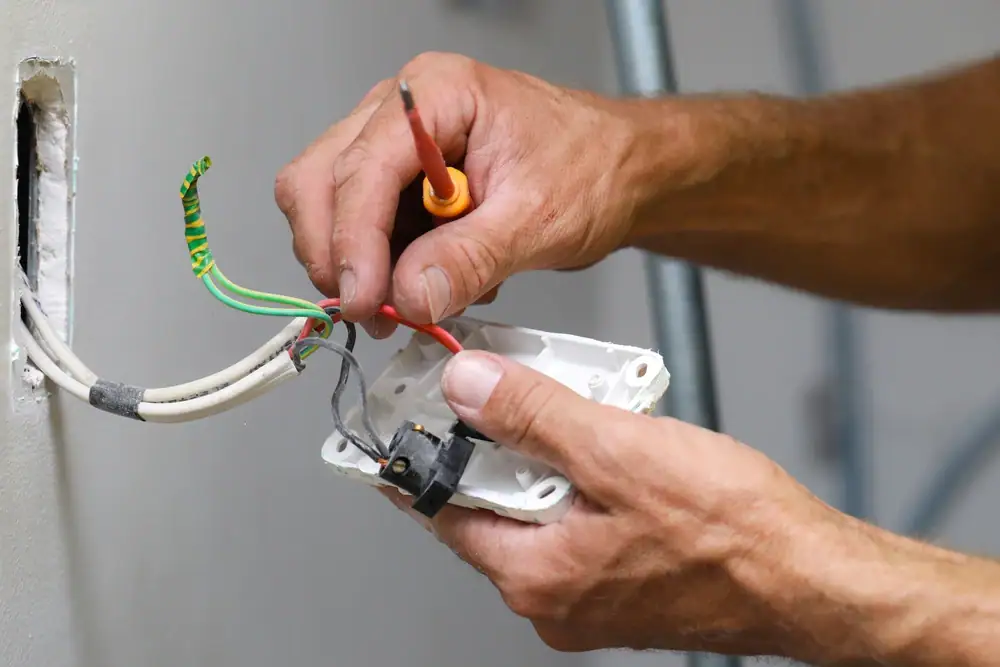
If your breakers trip frequently, your lights dim when you turn on appliances, or your panel is more than 40 years old, you probably need an upgrade. Most homes in South Chicago Heights were built with 60- to 100-amp panels, which can’t handle the electrical load of modern living.
You’re running air conditioning, microwaves, washers, dryers, computers, and possibly charging an electric vehicle. That’s a lot more demand than what those older panels were designed for. When your system can’t keep up, breakers trip to prevent overheating and potential fires.
An upgraded 200-amp panel gives you the capacity to run everything safely without constant interruptions. It also brings your home up to current electrical code, which matters if you ever sell or refinance. We can assess your current system and tell you exactly what you need-no guessing, no overselling.
Turn off the breaker to that area immediately if you can do it safely, and call us right away. A burning smell means something’s overheating-wiring, a connection, or a component inside the panel-and that’s a fire risk.
Don’t ignore it or assume it’ll go away. Electrical fires account for 51,000 home fires every year in the U.S., causing hundreds of deaths and over a billion dollars in damage. Arcing faults alone start more than 28,000 of those fires annually.
We treat burning smells as emergencies and typically respond within a couple of hours. When we get there, we’ll locate the source, determine whether it’s a loose connection, faulty wiring, or an overloaded circuit, and fix it before it becomes a bigger problem. This isn’t something you wait on.
Most residential panel upgrades take between four and eight hours, depending on the complexity of your system and whether we need to upgrade the service line from the street. If your home has outdated wiring or requires additional circuits, it could take longer.
You’ll be without power during part of the work, but we coordinate with you to minimize disruption. We also handle the permit and inspection process, which is required for panel upgrades in Illinois. That means the work gets done to code and passes inspection the first time.
Once the new panel’s installed, you’ll have more capacity, better safety, and fewer issues with tripped breakers or overloaded circuits. It’s one of the most important upgrades you can make to an older South Chicago Heights home, especially if you’re planning to stay there long-term or sell in the near future.
Yes. Electrical problems don’t wait for business hours, and neither do we. If your power goes out at 10 p.m. or a breaker fails on a Sunday, you can reach us and we’ll get someone out as fast as possible.
Most emergency calls in South Chicago Heights get a response within two to four hours, and true emergencies-like burning smells, sparking outlets, or complete power loss-often get handled within an hour. We prioritize based on safety and urgency.
You’re not getting an answering service or a callback the next day. You’re getting a licensed electrician who can diagnose and fix the problem on the spot. We carry the tools, parts, and experience to handle most emergency repairs without needing to come back later.
A licensed electrician has completed the required training, passed state exams, and is legally authorized to perform electrical work in Illinois. That means the work gets done to code, it’s safe, and it’ll pass inspection if one’s required.
Someone who “does electrical work” but isn’t licensed might be cheaper upfront, but you’re taking a risk. If the work isn’t up to code, you could fail an inspection, face fines, or deal with safety hazards like electrical fires or shocks. Insurance companies and home buyers care about this stuff too.
We’re licensed, bonded, and insured, which protects you if something goes wrong. It also means we stay current on code changes and best practices. When you hire us, you’re not gambling on whether the work’s done right-you know it is.
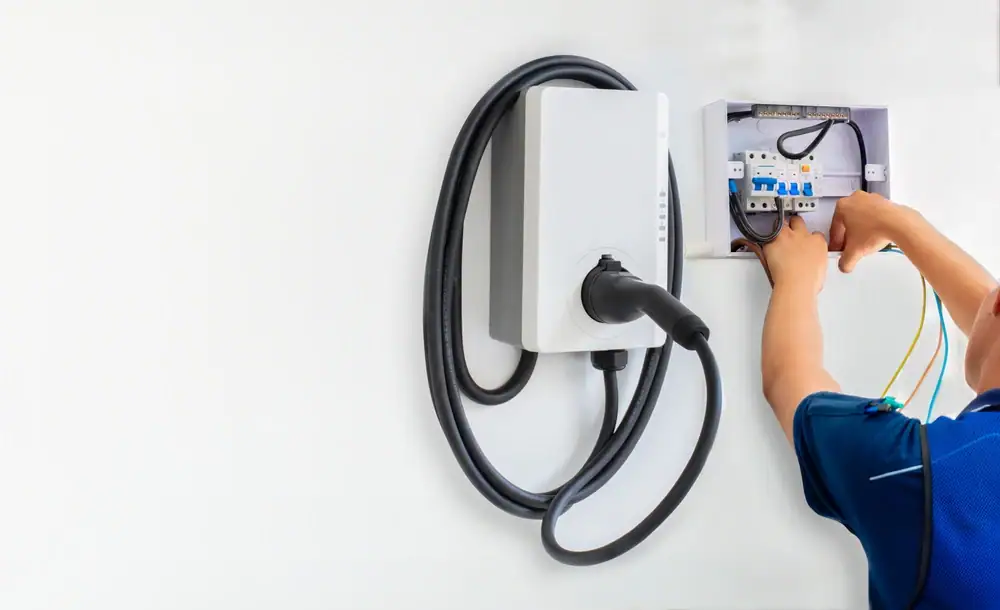
Yes. Installing an EV charger usually requires adding a dedicated 240-volt circuit to your garage, and in many South Chicago Heights homes, that also means upgrading the electrical panel to handle the additional load.
Most EV chargers draw between 30 and 50 amps, which is significant. If your panel’s already maxed out or you’re running an older 100-amp system, you’ll need an upgrade to safely support the charger along with everything else in your home.
We handle the entire process-assessing your current electrical capacity, upgrading the panel if needed, running the new circuit, and installing the charger. The work’s permitted and inspected, so it’s done to code and safe for long-term use. You’ll be able to charge your vehicle overnight without worrying about tripped breakers or overloaded circuits.