
Hear from Our Customers
When your lights flicker at night or your breaker trips every time you run the dryer, you need someone who can diagnose the real problem and fix it. Not someone who shows up, guesses, and leaves you with the same issue three days later.
That’s what 25 years of residential electrical work gets you. We’ve seen the burnt wire connections, the overloaded panels, the DIY wiring that’s waiting to cause a fire. You call because something’s wrong, and we show up knowing exactly what to look for.
You get a licensed electrician in Braceville who can handle everything from adding circuits for your new EV charger to replacing an outdated panel that can’t keep up with your home’s electrical demands. The work gets done correctly, it passes inspection, and you don’t have to think about it again.
We’ve been handling residential electrical repairs in Braceville since the late 90s. We’re licensed, bonded, and insured because that’s what protects you when someone’s working inside your walls.
Most of our work comes from homeowners dealing with urgent problems. A burning smell near the breaker box. Outlets that don’t work. Lights that dim when the AC kicks on. These aren’t minor inconveniences—they’re safety issues that need attention from someone who knows what they’re doing.
We focus on residential electrical work because that’s where we’ve built our experience. Braceville homes, especially older ones, have their own quirks. We know how to work with them.
You call or message us with the problem. We ask a few questions to understand what’s happening—when it started, what you’ve noticed, whether it’s getting worse. That helps us know what to bring and how quickly we need to get there.
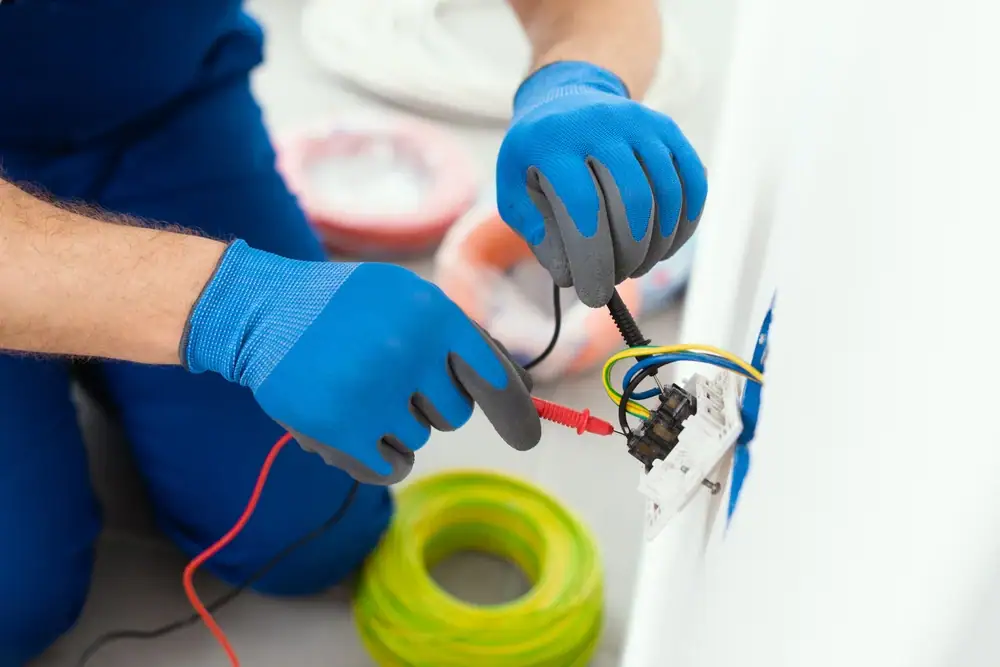
We schedule a time that works for you, usually same-day or next-day for urgent issues. When we arrive, we start with a full electrical inspection of the problem area. We’re looking for the root cause, not just the symptom. A flickering light might be a loose connection, but it could also be a bigger issue with your panel or wiring.
Once we find the problem, we explain what’s wrong, what needs to happen, and what it’ll cost before we do any work. No surprises. If you approve, we handle the repair right then. Most jobs get finished the same visit. You get a system that works the way it should, and we make sure everything is up to code before we leave.
Ready to get started?
Every job starts with an electrical inspection in Braceville to figure out what’s actually going on. We don’t skip that step. You’re paying for someone who can identify the problem correctly, not just swap out parts and hope it works.
From there, we handle the full scope of residential electrical repairs. Panel upgrades for homes that need more capacity. New circuits for kitchens, garages, or EV chargers. Rewiring for older homes where the electrical system hasn’t kept up with modern demands. Service changes when your main panel needs replacement.
Braceville has a mix of older homes and newer builds, and the electrical needs are different depending on what you’re working with. Older homes in the area often need panel upgrades to handle today’s electrical loads—things like central air, multiple computers, and kitchen appliances all running at once. We also see a lot of requests for adding dedicated circuits, especially as more homeowners switch to electric vehicles and need charging stations installed at home.
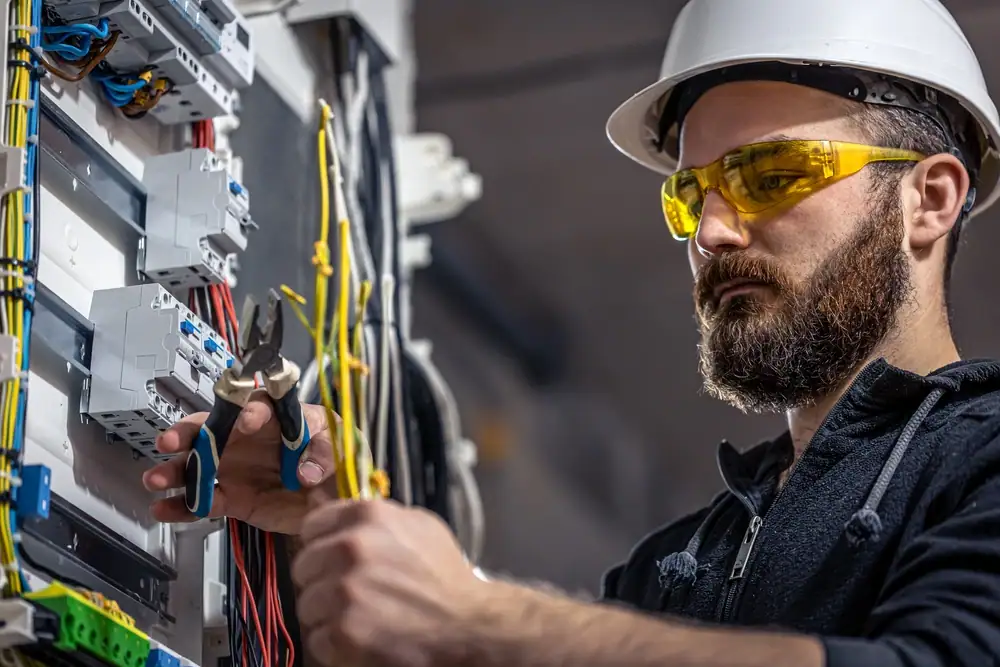
Your breaker trips frequently, especially when you’re running normal appliances. That’s the most common sign. If you’re resetting breakers more than once a month, your panel is telling you it can’t handle the load.
Another sign is if your home still has a fuse box or a panel that’s 30+ years old. Older panels weren’t designed for the electrical demands of modern homes. You’ve got more devices, bigger appliances, and higher energy use than what those systems were built to support.
You might also notice lights dimming when the AC or another large appliance kicks on. That’s a voltage drop, and it usually means your panel isn’t distributing power properly. If you’re adding anything that draws serious power—like an EV charger or a home addition—you’ll likely need an upgrade to support it safely.
Turn off the breaker for that area immediately if you can do it safely. Don’t use the outlet or circuit until someone inspects it. A burning smell means something is overheating, and that’s a fire risk.
The smell usually comes from damaged wiring, a loose connection, or an overloaded circuit. All of those can cause a fire if they’re not fixed quickly. Even if the smell goes away, the problem is still there.
Call us as soon as possible. This isn’t something you wait on or try to fix yourself. We’ve seen too many situations where a small burning smell turned into a much bigger problem because it didn’t get addressed right away. We’ll inspect the wiring, find the source, and make the repair before it becomes dangerous.
It depends on what needs to be done. Small repairs like replacing an outlet or fixing a single circuit usually run a few hundred dollars. Bigger jobs like panel upgrades, rewiring, or adding new circuits can range from several hundred to a few thousand depending on the scope.
In Grundy County, most electrical work falls between $109 and $879 for typical residential projects. That’s the range you’ll see for common repairs and installations. Emergency calls or after-hours work may cost more because of the urgency and timing.
We give you a clear estimate before we start any work. You’ll know what the job costs and what’s included. No hidden fees or surprise charges after the fact. If the scope changes while we’re working—like if we find additional issues—we’ll talk to you about it before moving forward.
Yes, that’s one of the most common requests we’re getting now. Installing an EV charger requires a dedicated 240-volt circuit, which is the same type of circuit that powers your dryer or oven. Most homes don’t have an extra circuit like that sitting unused, so we need to add one.
First, we check your electrical panel to make sure it has enough capacity to support the new circuit. If your panel is already maxed out, we’ll need to upgrade it before we can safely add the charger circuit. That’s not always the case, but it’s something we assess upfront.
Once the panel is ready, we run the new wiring from the panel to wherever you want the charger installed—usually in your garage or outside near your driveway. We install the circuit, mount the charger, and make sure everything is up to code. The whole process usually takes a day, and you’ll have a safe, reliable charging setup that’s ready to use.
A licensed electrician has completed the required training, passed state exams, and maintains insurance and bonding. That means they’re legally qualified to do electrical work, and you’re protected if something goes wrong. An unlicensed electrician hasn’t met those requirements.
Licensing matters because electrical work is dangerous when it’s done incorrectly. Bad wiring can cause fires, electrocution, or damage to your home’s electrical system. A licensed electrician knows the building codes, understands how to work safely, and carries insurance that covers you if there’s a problem.
If you hire someone unlicensed and they cause damage or do faulty work, you’re on your own. Your homeowner’s insurance may not cover it, and you’ll likely have to pay someone else to fix it. It’s not worth the risk, especially when you’re talking about something as critical as your home’s electrical system. We’re licensed, bonded, and insured because that’s what protects you and gives you peace of mind.
Yes. We offer discounts for military members, first responders, seniors, teachers, students, and new customers. It’s our way of supporting the people who serve the community and the families who live here.
The discount amount varies depending on the type of service and the size of the job, but we apply it automatically when you mention you qualify. You don’t need a special code or coupon—just let us know when you call or when we arrive for the appointment.
These discounts apply to most residential electrical work, including repairs, inspections, panel upgrades, and new circuit installations. If you’re not sure whether your job qualifies, just ask. We’ll let you know upfront so there’s no confusion about pricing.