
Hear from Our Customers
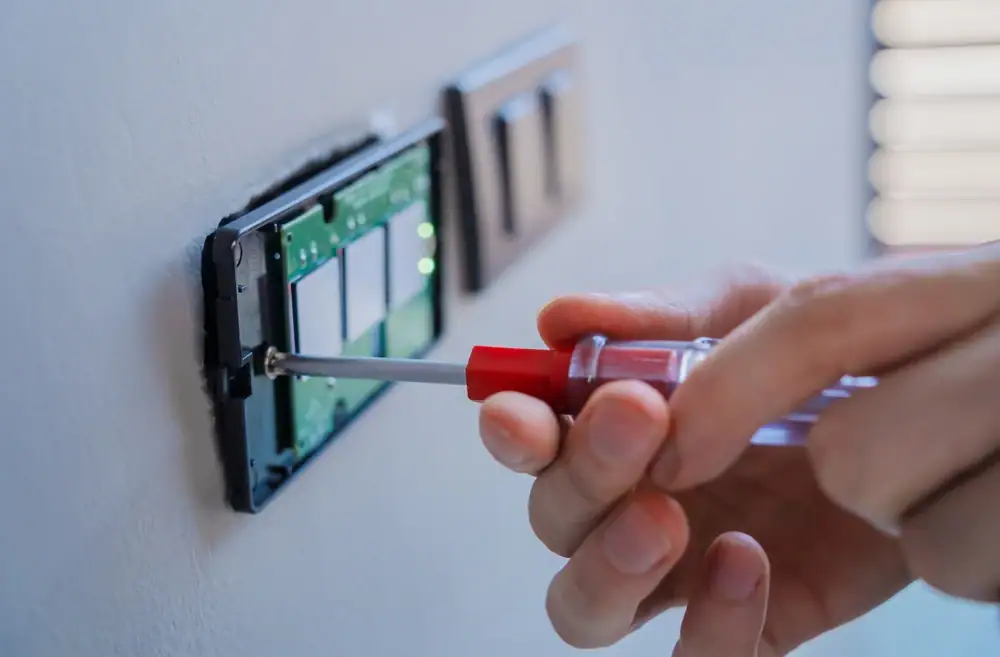
You stop worrying every time you flip a switch. That burning smell disappears. Your lights stay steady when the AC kicks on.
Your home’s electrical system should be invisible—working quietly in the background without demanding your attention. When it’s not, everything feels a little unsafe. You’re wondering if that flickering is just annoying or actually dangerous. You’re Googling symptoms at 10 PM because something doesn’t feel right.
Here’s what changes when you work with us. Your breaker stops tripping when you run the microwave and coffee maker at the same time. Your panel gets upgraded to handle the demands of modern appliances without overheating. You can charge your EV at home without worrying about overloading your system. Most importantly, you sleep better knowing we checked everything and your family is safe.
We’ve been handling emergency electrical repairs in Elwood, IL since before most people had smartphones. That means we’ve seen every type of electrical problem a home can throw at us—and we know how to fix it right.
We’re licensed, bonded, and insured, which matters more than most homeowners realize. When electrical work goes wrong, it goes really wrong. You need someone who’s accountable and backed by proper credentials and coverage.
Elwood sits in one of the fastest-growing counties in the nation, which means homes here range from older properties with outdated wiring to newer builds that still need upgrades for EV chargers and modern electrical loads. We handle both. We also offer discounts for military, first responders, seniors, teachers, students, and new customers—because the people who serve this community deserve a break.
You call or message us with your electrical issue. We ask a few questions to understand what’s happening—flickering lights, burning smell, breaker trips, whatever it is.
We schedule a time that works for you. For emergencies, that means as soon as possible. For planned work like panel upgrades or adding circuits for EV chargers, we find a time that doesn’t disrupt your day.
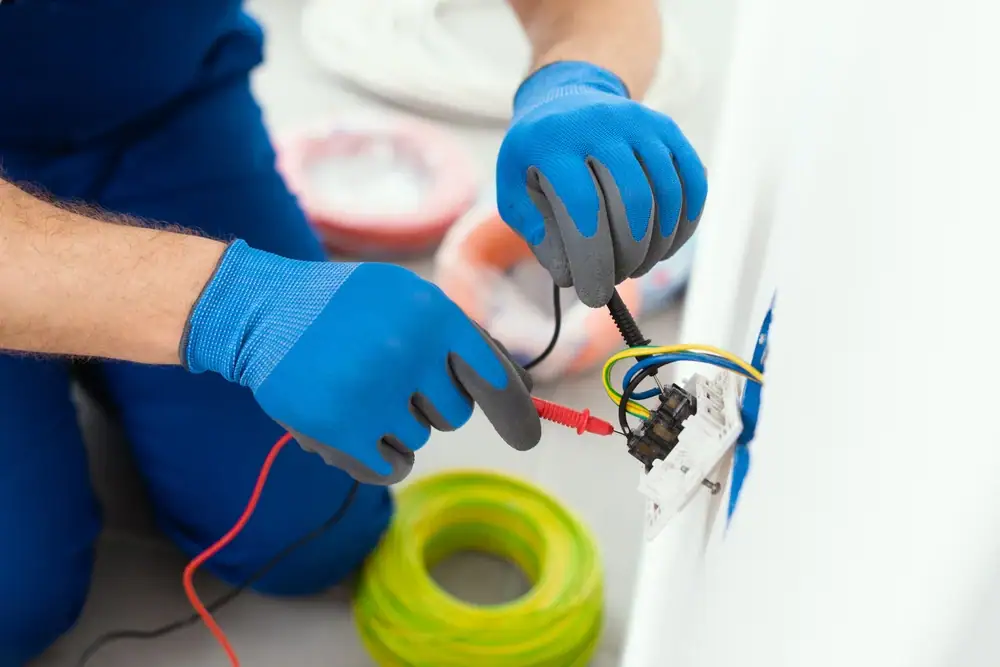
When we arrive, we diagnose the actual problem—not just the symptom. Flickering lights might be a loose connection, an overloaded circuit, or a failing breaker. We figure out which one. Then we explain what we found in plain language, tell you what it costs to fix, and let you decide. No surprise charges. No upselling you on stuff you don’t need.
Once you approve the work, we fix it. We test everything to make sure it’s working safely. Then we clean up and walk you through what we did. You get back to your life, and your electrical system does what it’s supposed to do—work without you thinking about it.
Ready to get started?
Most calls we get fall into a few categories. Emergency repairs for things like power outages, burning smells from outlets, or breakers that won’t stop tripping. Panel upgrades for homes that still have 100-amp service trying to power 2024 appliances. New circuit installation for EV chargers, home offices, or kitchen remodels. And electrical inspections for people buying homes or just wanting peace of mind.
Elwood’s housing stock includes plenty of older homes that weren’t built for today’s electrical demands. If your home was built before 1990, there’s a good chance your panel is undersized for what you’re asking it to do. Add a couple of window AC units, a few space heaters, and modern kitchen appliances, and you’re pushing the limits. That’s when breakers start tripping and wires start overheating.
We also see a lot of requests for EV charger installation. More than 80% of EV charging happens at home, and you need a dedicated 240-volt circuit to do it safely and efficiently. That usually means a panel upgrade if you’re still running on an older system. The federal government offers tax credits covering 30% of installation costs up to $1,000, which helps offset the investment.
Every year, electrical issues cause about 51,000 home fires in the US, resulting in nearly 500 deaths and over $1.3 billion in property damage. Most of those fires are preventable with proper electrical maintenance and timely repairs. That’s why we focus on the unglamorous stuff—making sure your wiring is sound, your connections are tight, and your panel isn’t overloaded.
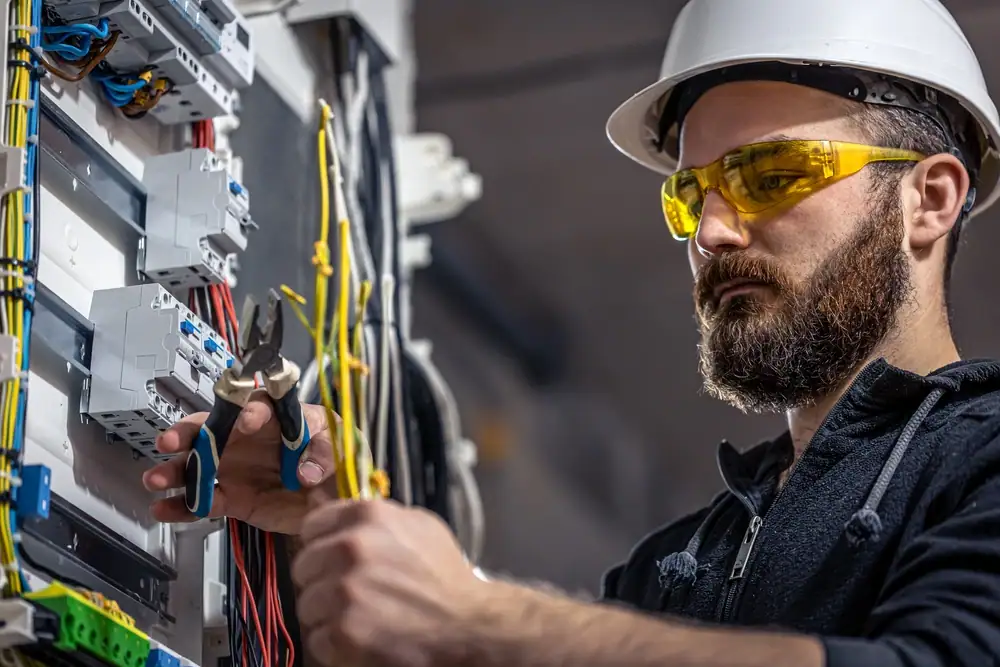
Your breakers trip frequently, especially when you’re running multiple appliances. Your lights dim when the AC or other large appliances kick on. You see scorch marks or smell burning near your panel. Your home still has a fuse box instead of circuit breakers.
Most homes built before 1990 have 100-amp or 150-amp panels. Modern homes typically need 200-amp service to safely handle the electrical load from HVAC systems, kitchen appliances, electronics, and EV chargers. If you’re adding any major appliances or planning to install an EV charger, your panel probably needs an upgrade.
Another sign is if you’re using power strips and extension cords throughout your house because you don’t have enough outlets. That’s not just inconvenient—it’s dangerous. It means your home’s electrical system wasn’t designed for how you’re actually using it.
Flickering lights have a few common causes. A loose bulb is the easiest fix—just tighten it. But if that doesn’t solve it, you’re looking at something more serious.
A loose connection in your wiring or fixture can cause flickering and create heat that leads to electrical fires. An overloaded circuit means you’re drawing more power than the circuit can handle safely. A failing breaker or a problem with your electrical panel can also cause lights to flicker. If your lights flicker when a large appliance turns on, that’s a sign your panel is struggling to distribute power properly.
Flickering lights aren’t just annoying—they’re often an early warning sign of a dangerous electrical problem. If tightening the bulb doesn’t fix it, you need us to diagnose the real issue before it becomes a fire hazard.
Installation costs typically range from $800 to $2,000, depending on your home’s existing electrical setup. If your panel has capacity and you already have a 240-volt circuit near your garage, you’re on the lower end. If you need a panel upgrade or a long wire run from your panel to your garage, you’re on the higher end.
The federal government offers a tax credit covering 30% of installation costs, up to $1,000. That can significantly reduce your out-of-pocket expense. You’ll also save money long-term by charging at home instead of using public charging stations, which are more expensive per kilowatt-hour.
Most EV manufacturers recommend a Level 2 charger, which runs on 240 volts and can fully charge your vehicle overnight. That requires a dedicated circuit, which means hiring us to install it safely and up to code. Trying to charge an EV on a standard 120-volt outlet takes forever and can overload your circuit if it’s not set up correctly.
Stop using that outlet or switch immediately. Unplug anything connected to it. If the smell is strong or you see smoke, flip the breaker for that circuit and call us right away.
A burning smell usually means faulty wiring, an overloaded circuit, or a failing outlet. All of those can cause electrical fires. Electrical fires account for about 51,000 home fires every year in the US, causing nearly 500 deaths and over $1.3 billion in property damage. Most of those fires start with warning signs like burning smells.
Don’t wait to see if it goes away. It won’t. The problem will get worse until something fails completely—and by then, you might be dealing with a fire instead of a repair bill. This is exactly the type of emergency electrical repair we handle in Elwood, IL, and it’s worth getting someone out to look at it as soon as possible.
Electrical work isn’t like painting a room or replacing a faucet. If you get it wrong, people die. More than 400 people are electrocuted every year in the US, and electricity causes about 140,000 fires annually.
Licensed electricians spend years learning how to work safely with electrical systems. We know how to identify problems that aren’t obvious, how to make repairs that meet code requirements, and how to avoid creating new hazards while fixing old ones. We also carry insurance, which matters if something goes wrong.
Most cities and counties require permits for electrical work, and inspectors will check to make sure the work was done correctly. If you DIY it and something goes wrong—a fire, an injury, or just faulty work—your homeowner’s insurance may not cover the damage. When you sell your home, unpermitted electrical work can kill the deal or force you to pay for expensive corrections. Hiring us costs more upfront, but it’s a lot cheaper than fixing a botched DIY job or dealing with the aftermath of an electrical fire.
If your home is over 25 years old, you should have an electrical inspection every 3 to 5 years. If you’re buying a home, get an inspection before you close. If you’re experiencing any electrical issues—flickering lights, frequent breaker trips, burning smells—get an inspection immediately.
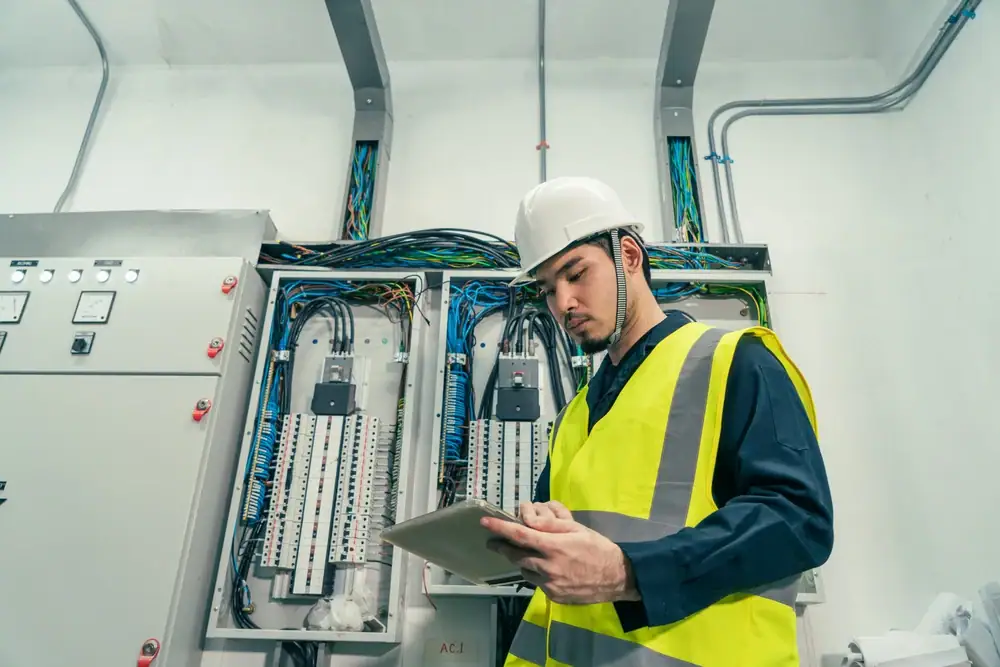
An electrical inspection catches problems before they become emergencies. We check your panel for signs of overheating or corrosion, test your outlets and switches, look for outdated wiring materials like aluminum or knob-and-tube, and make sure your system can handle your current electrical load.
Older homes in Elwood, IL often have wiring that was fine when the home was built but isn’t safe for modern use. Electrical codes change over time, and materials that were standard 30 or 40 years ago are now considered fire hazards. An inspection gives you a clear picture of what’s working, what’s not, and what needs attention before it becomes a bigger problem.