
Hear from Our Customers
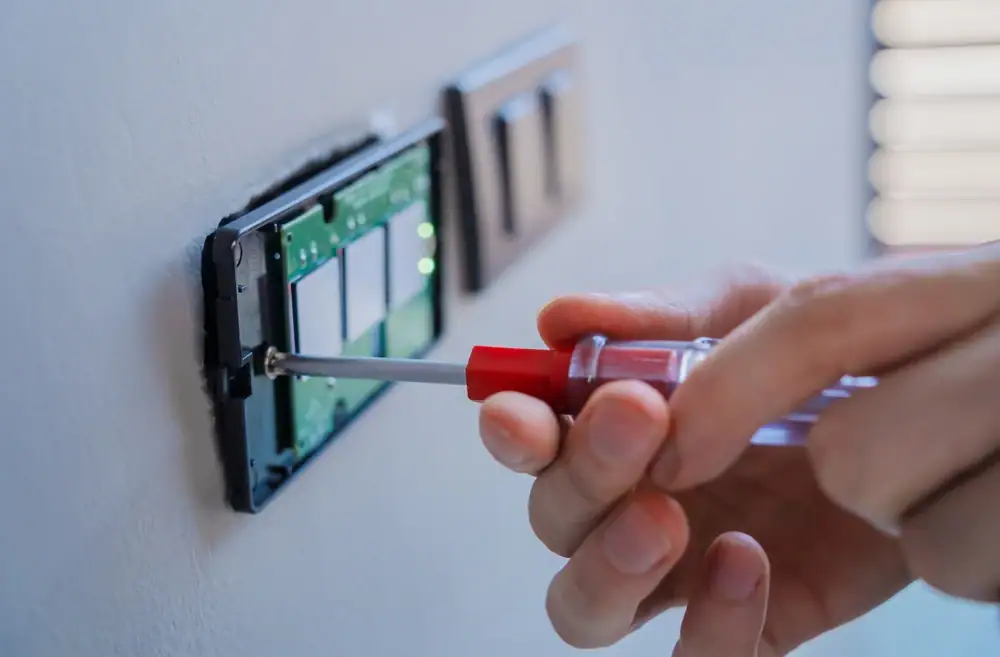
You’re dealing with flickering lights at 10 PM. Or you smell something burning near an outlet. Or half your house just lost power and you have no idea why.
These aren’t problems you can ignore or put off until next week. They’re safety risks that need someone who knows what they’re doing, shows up when they say they will, and fixes it right the first time.
That’s what we do. About 85% of our emergency calls get resolved during the first visit. For the ones that need a special part we don’t carry, we’ll set up a safe temporary solution so you’re not sitting in the dark or worried about a fire hazard while we order what’s needed.
You get your power back, your lights stop flickering, and you’re not lying awake wondering if your house is going to catch fire. That’s the outcome that matters.
We’ve been handling electrical repairs in Glenwood, IL since before most homes needed the electrical capacity they do now. Back then, a 100-amp panel was plenty. Now, with home offices, EV chargers, and modern appliances, the average home needs 50% more power than it did 15 years ago.
We’re licensed, bonded, and insured because that’s not optional when you’re working inside someone’s walls. We focus on residential emergency electrical work because that’s where people need help the most, and it’s what we’ve gotten really good at over two and a half decades.
Glenwood homeowners deal with aging electrical systems in older homes and inadequate wiring in newer ones. We’ve seen both, fixed both, and we know the difference between a quick repair and a safety hazard that needs a real solution.
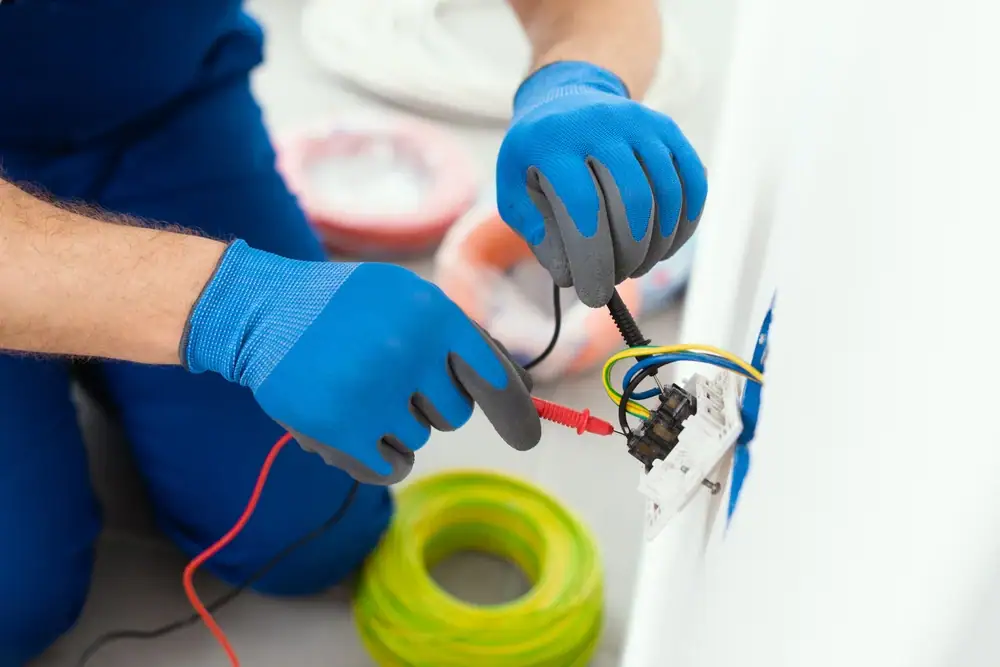
You call or contact us about your electrical issue. We ask a few questions to understand what’s happening so we know what to bring and whether it’s an emergency that can’t wait.
We schedule a time that works for you, or if it’s urgent, we get someone out as fast as possible. When we arrive, we’ll assess the problem, explain what’s wrong in plain language, and tell you what it’ll cost before we start any work. No surprises, no pressure.
Once you approve, we fix it. Most jobs get wrapped up the same day. If we need a part that has to be ordered, we’ll make sure your system is safe in the meantime and schedule a follow-up to finish the job.
You’ll know the work is done right because it’s code-compliant, it’ll pass inspection, and you won’t be calling us back in three months because the same problem showed up again. That’s how electrical work should be done.
Ready to get started?
When you hire us for electrical repairs in Glenwood, IL, you’re getting a licensed electrician who’s been doing this for 25 years. That means we’ve handled the exact problem you’re dealing with dozens of times before.
We handle the full scope of residential electrical work. Flickering lights that point to a loose connection or an overloaded circuit. Burning smells that mean something’s overheating and needs immediate attention. Power outages caused by tripped breakers, faulty panels, or issues with your service line. Panel upgrades for homes that need more capacity. New circuits for EV chargers, home additions, or upgraded appliances.
Here’s something most Glenwood homeowners don’t realize: about 20% of homes need an electrical upgrade before they can safely install an EV charger. Your current system might not handle the load, and trying to force it can create a fire risk. We’ll do an electrical inspection, tell you what your system can handle, and if you need an upgrade, we’ll walk you through exactly what that involves and what it costs.
We also offer discounts for military, first responders, seniors, teachers, new customers, and students. It’s one way we give back to the people who make Glenwood a better place to live.
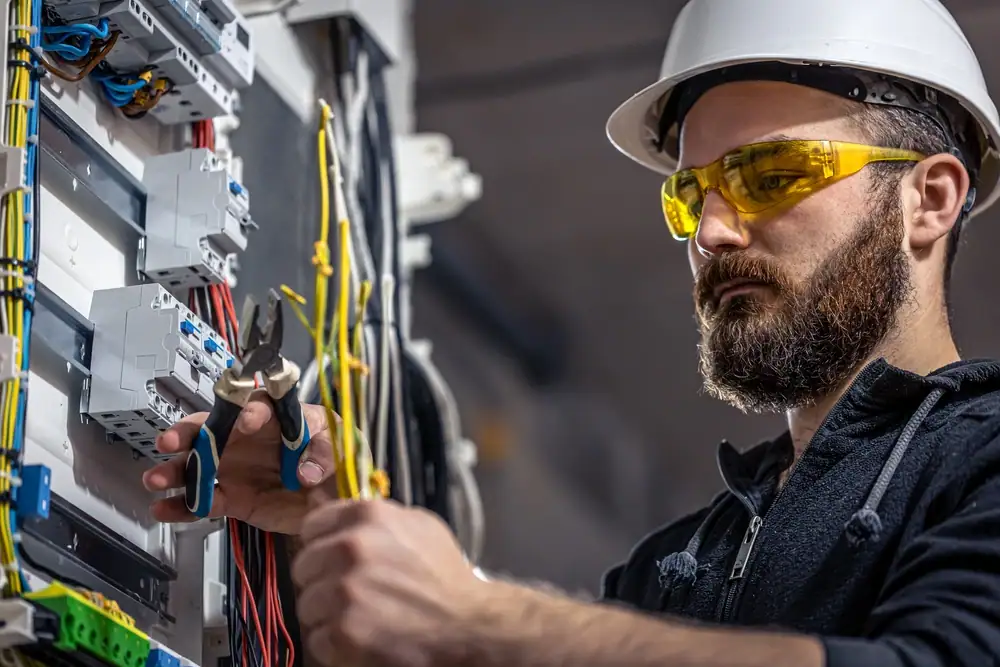
If you’re dealing with an actual emergency—burning smell, sparks, total power loss, or anything that feels dangerous—we prioritize that and get someone out as fast as we can. Sometimes that’s within an hour or two, depending on where our crew is and what time you call.
For urgent but not life-threatening issues, like half your house losing power or lights that won’t stop flickering, we’ll typically get you on the schedule the same day or next morning. We don’t make you wait three days while you’re sitting in the dark or worrying about whether your electrical system is safe.
When you call, be specific about what’s happening. That helps us understand how urgent it really is and what equipment to bring. If it’s the middle of the night and you’re seeing sparks, say that. If your power went out but nothing smells like it’s burning, that’s different. Both get handled, but the response time adjusts based on the actual risk.
Most electrical work in Glenwood runs between $38 and $56 per hour, but that’s not the full picture. What you’re actually paying for is the diagnosis, the fix, the parts, and the guarantee that it’s done right.
We give you upfront pricing before we start. You’ll know what the job costs, even if we’re showing up at 2 AM for an emergency. No hidden fees, no surprise charges when we’re done. If the scope changes while we’re working—like we open a panel and find a bigger issue—we stop, explain what we found, tell you what it’ll cost to fix it, and let you decide.
Some companies will quote you $4,000 for a repair that actually costs $200 in parts and two hours of labor. We’ve heard those stories from Glenwood homeowners who got burned before they found us. We don’t operate that way. You’re paying for 25 years of experience, proper licensing and insurance, and work that’s going to pass inspection. That’s worth more than the cheapest quote you’ll find, but it’s a lot less than paying twice because the first guy didn’t do it right.
Yes, and here’s why: about 20% of homes can’t safely support an EV charger without upgrading their electrical system first. If your panel is already running near capacity, adding a 240-volt charger that pulls 30 to 50 amps is going to overload your system.
An electrical inspection in Glenwood, IL will tell you whether your current setup can handle it. We’ll check your panel capacity, look at your existing load, and calculate whether you have room for the additional draw. If you don’t, we’ll explain what needs to happen—usually a panel upgrade or a dedicated circuit.
Skipping the inspection and just installing the charger anyway is a fire risk. Your breaker will trip constantly, or worse, it won’t trip when it should and you’ll end up with overheated wiring inside your walls. The inspection takes an hour and costs a fraction of what you’d pay to fix a fire or replace a fried electrical panel. It’s not optional if you want the installation done safely.
Flickering lights usually mean one of three things: a loose connection, an overloaded circuit, or a problem with your electrical panel. All three can be dangerous if you ignore them long enough.
A loose connection creates resistance, which generates heat. Over time, that heat can damage wiring or start a fire. An overloaded circuit means you’re pulling more power than that circuit was designed to handle, which can trip breakers or, in older homes with outdated wiring, overheat the wires. A failing panel means your home’s entire electrical system isn’t distributing power correctly, and that’s a bigger problem that usually requires a panel upgrade.
If your lights flicker occasionally when you turn on a high-draw appliance like a microwave or space heater, that’s often an overloaded circuit. If they flicker randomly or constantly, that’s more likely a loose connection or a panel issue. Either way, it’s worth having us take a look. We’ll track down the cause, tell you how serious it is, and fix it before it turns into a bigger safety issue.
Your panel needs an upgrade if it can’t safely handle your home’s electrical load. Signs include breakers that trip frequently, lights that dim when you run appliances, a panel that’s warm to the touch, or visible rust and corrosion inside the panel box.
Older homes in Glenwood, IL often have 100-amp panels, which were fine 20 years ago but aren’t enough for modern electrical demands. If you’re adding an EV charger, a home office with multiple computers and monitors, or upgraded HVAC, your current panel might not have the capacity. Most homes now need 200-amp service to handle everything safely.
Another red flag: if your panel still has fuses instead of breakers, or if it’s a Federal Pacific or Zinsco brand, it should be replaced. Those panels are known fire hazards and don’t meet current safety standards. A panel upgrade isn’t cheap, but it’s a lot less expensive than dealing with an electrical fire or constantly resetting tripped breakers. We’ll inspect your panel, tell you whether it needs replacing, and explain exactly what the upgrade involves.
Emergency calls can cost more because you’re paying for availability outside normal business hours. If you need an electrician at 11 PM on a Saturday, that’s going to cost more than a scheduled appointment on a Tuesday afternoon.
That said, we don’t price gouge during emergencies. You’ll still get upfront pricing before we start, even in the middle of the night. The work itself costs the same—it’s the emergency availability and after-hours response that adds to the total.
Here’s the thing: if you’re dealing with sparks, burning smells, or total power loss, waiting until Monday to save $100 isn’t worth the risk. Electrical fires don’t wait for business hours, and neither should your repair. We’ve been doing emergency electrical repairs in Glenwood, IL for 25 years, and we’ve seen what happens when people try to wait out a serious problem. It’s always more expensive to fix the damage than it would have been to fix the original issue right away.