
Hear from Our Customers
You flip a switch and nothing happens. Or worse—you smell something burning near an outlet. Your breaker keeps tripping every time you run the microwave and coffee maker at the same time.
These aren’t minor annoyances. They’re signs your electrical system is struggling, and in a home, that’s a safety issue.
What you need is someone who can diagnose the actual problem—not just reset a breaker and leave. You need electrical repairs in Lisle, IL that fix the root cause so you’re not dealing with the same issue next week. That means checking your panel, testing circuits, inspecting wiring, and making sure everything is up to code.
When the work is done right, your lights stay on. Your outlets work without sparking. Your breakers stop tripping. And you can run your home without wondering if something’s about to go wrong.
We’ve been handling residential electrical work in Lisle for over two decades. We’re licensed, bonded, and insured—which matters when someone’s working inside your walls.
Most of our calls come from homeowners dealing with urgent issues. Circuit problems. Panel upgrades for homes that can’t handle modern appliances. EV charger installations. Electrical inspections before a sale. The kind of work that needs to be done correctly the first time.
Lisle homes—especially older ones near the downtown area or around Benedictine University—weren’t built for today’s electrical load. Adding a home office, upgrading kitchen appliances, or installing an electric vehicle charger often means your panel needs an upgrade. We handle that work every week, and we know what Lisle’s building codes require.
You call or contact us online. We ask a few questions about what’s happening—what you’re noticing, when it started, whether it’s getting worse. If it’s an emergency, we move fast.
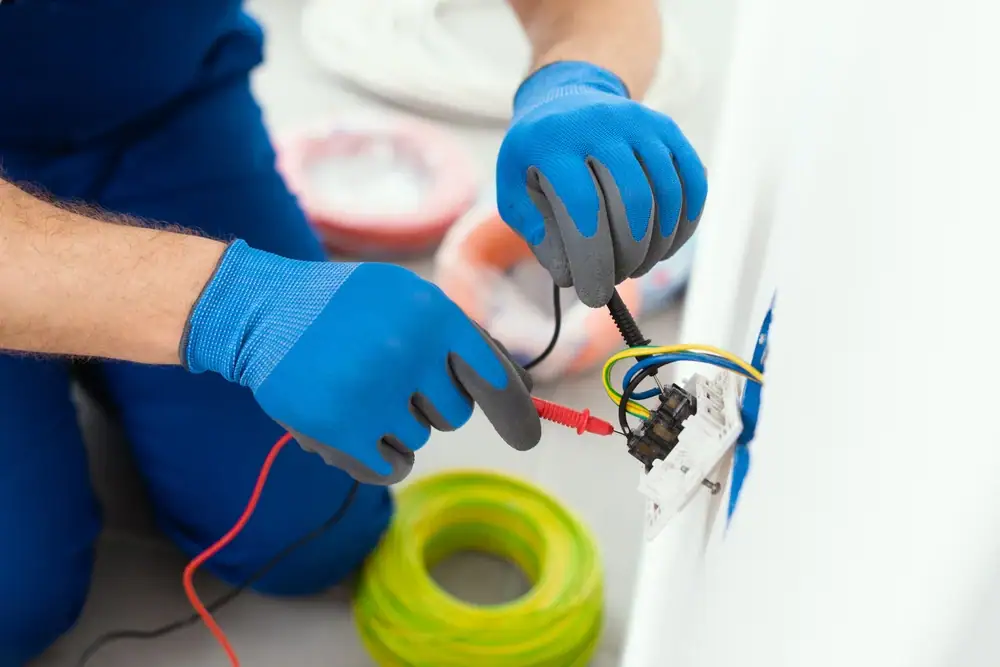
We schedule a time that works for you, or we come out right away if it’s urgent. When we arrive, we don’t just look at the obvious problem. We check your electrical panel, test outlets, inspect wiring, and figure out what’s actually causing the issue.
Once we know what’s wrong, we explain it in plain terms. No jargon. No upselling. Just a clear explanation of what needs to happen and what it’ll cost. If you’re good with it, we get to work.
After the repair or installation, we test everything to make sure it’s working correctly. We check outlets, verify circuits, and confirm your system is safe and code-compliant. You’re not left guessing whether the problem is actually fixed.
Ready to get started?
Every service call includes a full electrical inspection of the problem area. We’re not just fixing what’s visible—we’re making sure there’s nothing else about to fail.
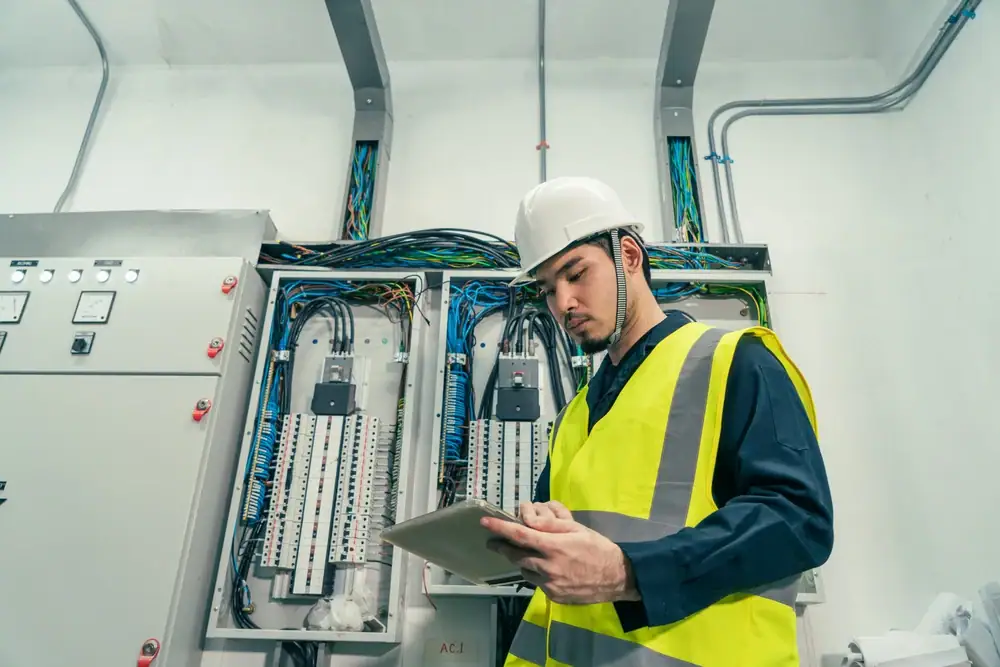
For Lisle homeowners, that often means checking panels in older homes. Many houses in the area still have 100-amp panels, which can’t handle the load from modern appliances, HVAC systems, and electric vehicle chargers. If your panel is outdated, we’ll let you know what an upgrade involves and why it matters.
We also handle circuit additions, outlet installations, wiring repairs, and code compliance work. If you’re buying or selling a home in Lisle, electrical inspections often flag issues that need fixing before closing. We’ve done that work hundreds of times, and we know what inspectors look for.
You also get access to our discount programs—military, first responders, seniors, teachers, new customers, and students all qualify. We’re not the cheapest option in town, but we’re the one that shows up when we say we will, does the work right, and doesn’t leave you with more problems than you started with.
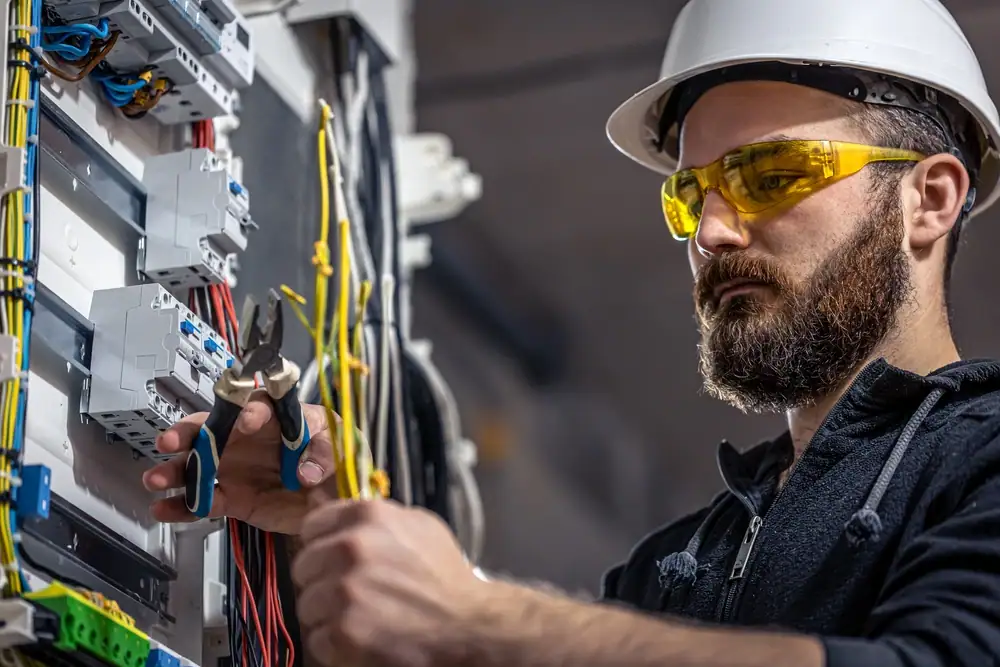
Your panel needs an upgrade if your breakers trip frequently, your lights dim when appliances turn on, or you’re adding high-demand equipment like an EV charger or central air conditioning.
Most homes in Lisle built before 2000 have 100-amp or 150-amp panels. That was fine when homes had fewer electronics and appliances. But today’s homes need more power—especially if you’re running a home office, charging an electric vehicle, or upgrading to modern HVAC systems.
If your panel is over 20 years old, it’s worth having it inspected. Older panels can develop issues with worn breakers, corroded connections, or outdated wiring that doesn’t meet current code. An upgrade typically means installing a 200-amp panel, which gives you room to grow and keeps your system safe.
Turn off the breaker to that area immediately and call us. A burning smell means something is overheating—wiring, a connection, or a breaker—and that’s a fire hazard.
Don’t wait to see if it goes away. Electrical fires often start small and spread fast. If the smell is coming from your panel, don’t open it. Just shut off the main breaker if you can do it safely, and get someone out to inspect it.
We handle these calls as emergencies because they are. Overheating wiring can be caused by loose connections, overloaded circuits, or damaged insulation. All of those problems get worse over time, not better. The sooner you address it, the safer your home is.
Most EV charger installations take 3-5 hours, depending on where your panel is located and whether you need a circuit upgrade.
If your panel is in the garage and you have space for a new 240-volt circuit, installation is straightforward. We run the wiring, install the charger, and test everything to make sure it’s working correctly.
If your panel is in the basement or on the opposite side of the house, it takes longer because we need to run conduit and wiring to the garage. And if your panel doesn’t have capacity for a 40-50 amp circuit, we’ll need to upgrade the panel first. That adds time and cost, but it’s necessary—you can’t safely add a high-demand circuit to a panel that’s already maxed out.
Flickering lights usually mean your circuit is overloaded or you have a loose connection somewhere in your electrical system.
When a high-demand appliance like an air conditioner, space heater, or microwave turns on, it draws a lot of power. If that appliance is on the same circuit as your lights, the sudden power draw can cause a brief voltage drop—which makes your lights flicker.
That’s a sign your circuits aren’t set up correctly. Ideally, high-demand appliances should be on dedicated circuits so they’re not competing with lights and outlets. If the flickering is frequent or getting worse, it’s worth having your panel and wiring inspected. Loose connections can also cause flickering, and those are a fire risk if they’re not fixed.
You’re not required to get one before listing, but most buyers will request an inspection during their due diligence—and any electrical issues will show up then.
If your home is older or you’ve done DIY electrical work, it’s smarter to get an inspection before you list. That way, you can fix problems on your timeline instead of scrambling to make repairs during closing negotiations.
Common issues that come up in Lisle home inspections include outdated panels, ungrounded outlets, missing GFCI protection in kitchens and bathrooms, and improper wiring in finished basements. All of those are fixable, but they can delay a sale if they’re not addressed upfront. Getting ahead of it means fewer surprises and a smoother transaction.
It depends on what’s wrong. Simple repairs like replacing an outlet or fixing a tripped breaker cost less than rewiring a circuit or upgrading a panel.
For context, outlet or switch replacements typically run $100-$200. Circuit repairs or additions can range from $300-$800 depending on complexity. Panel upgrades usually start around $1,500 and go up depending on the size of the panel and how much rewiring is needed.
Emergency calls cost more because we’re dropping everything to get to you fast. But if your power is out or you’re dealing with a safety hazard, waiting until Monday to save a few bucks isn’t worth the risk. We give you a clear price before we start any work, so you know exactly what you’re paying for.