
Hear from Our Customers
Your lights stop flickering when you turn on the microwave. Your breaker box isn’t hot to the touch anymore. You can plug in your laptop without wondering if that outlet is going to spark.
These aren’t small things when you’re the one living with them. A local electrician who knows Manhattan homes understands that older wiring wasn’t built for how you live now. You’re running computers, charging stations, kitchen appliances, and HVAC systems that pull more power than homes needed 20 years ago.
When electrical repairs are done correctly, your home stops giving you warning signs. No more tripped breakers during dinner. No more outlets that only work sometimes. Just a system that handles what you need it to handle, without the constant worry that something’s about to go wrong.
For 25 years, we’ve been the residential electrician Manhattan homeowners call when their electrical system isn’t doing what it should. We’re licensed, bonded, and insured because that’s not optional when you’re working inside someone’s walls.
Most of our work comes from electrical repairs that can’t wait. Burning smells near outlets. Power outages that only affect half the house. Circuit breakers that trip every time you use the dryer. We’ve seen what happens when electrical problems get ignored in Manhattan homes, and we’ve spent two and a half decades learning how to fix them right.
We offer discounts for military, first responders, seniors, teachers, students, and new customers. Not because it’s good marketing, but because Manhattan is our community.
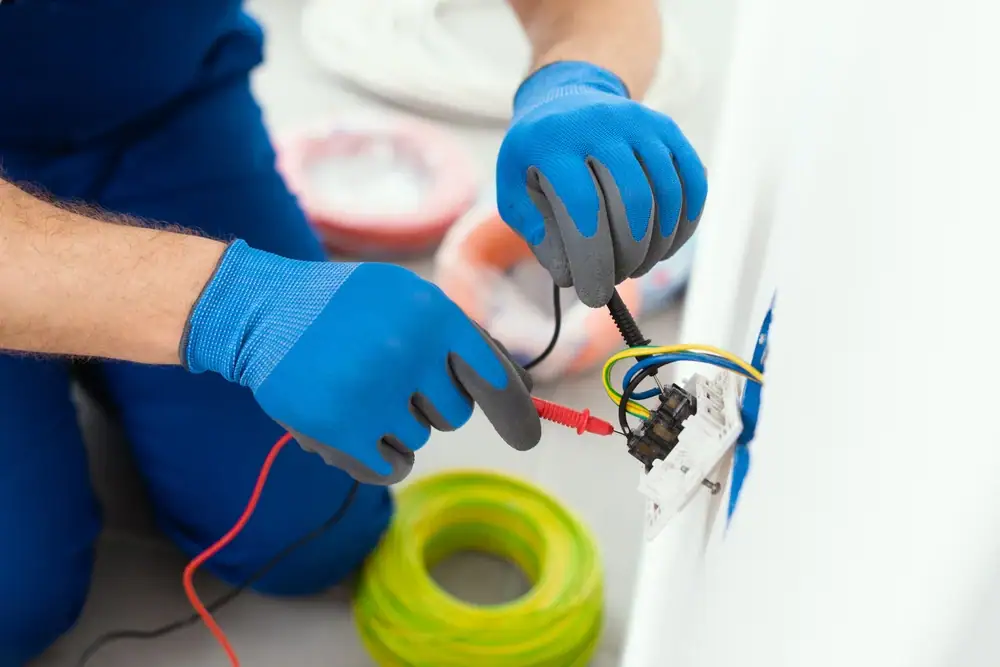
You call and describe what’s happening. We ask questions to understand if it’s an emergency or something that can be scheduled. If you’re smelling burning or dealing with sparking outlets, we treat that differently than a planned electrical inspection.
We show up and look at the actual problem, not just the symptom. Flickering lights might mean loose wiring at the fixture, but they can also mean your electrical panel is overloaded or your service line has issues. We check what needs checking.
Once we know what’s wrong, we tell you what it costs before we start work. You’ll know if it’s a simple fix or if you need electrical wiring updates to handle your home’s power load. Then we fix it, test it, and make sure it’s actually solved. You shouldn’t have to call us back for the same problem a week later.
Ready to get started?
Electrical repairs in Manhattan, IL typically run between $42 and $63 per hour for standard work. Emergency electrical service costs more, usually $150-$200 per hour, because we’re dropping everything to help you when your power’s out at 9 PM.
A licensed electrician checks your electrical panel, looks at your wiring, and tests circuits to find what’s causing problems. If your home was built before 2000, there’s a decent chance your electrical system is undersized for how you live now. Manhattan has plenty of older homes that need panel upgrades or additional circuits to handle modern electrical loads.
Electrical inspections catch problems before they become emergencies. Loose connections, outdated wiring, overloaded circuits—these are things that show up during inspections but turn into house fires if they’re ignored. About 20% of homes in our area need some kind of electrical upgrade before they can safely add things like EV chargers or home office equipment. We handle electrical wiring updates, circuit additions, and panel replacements for homes that have outgrown their current systems.
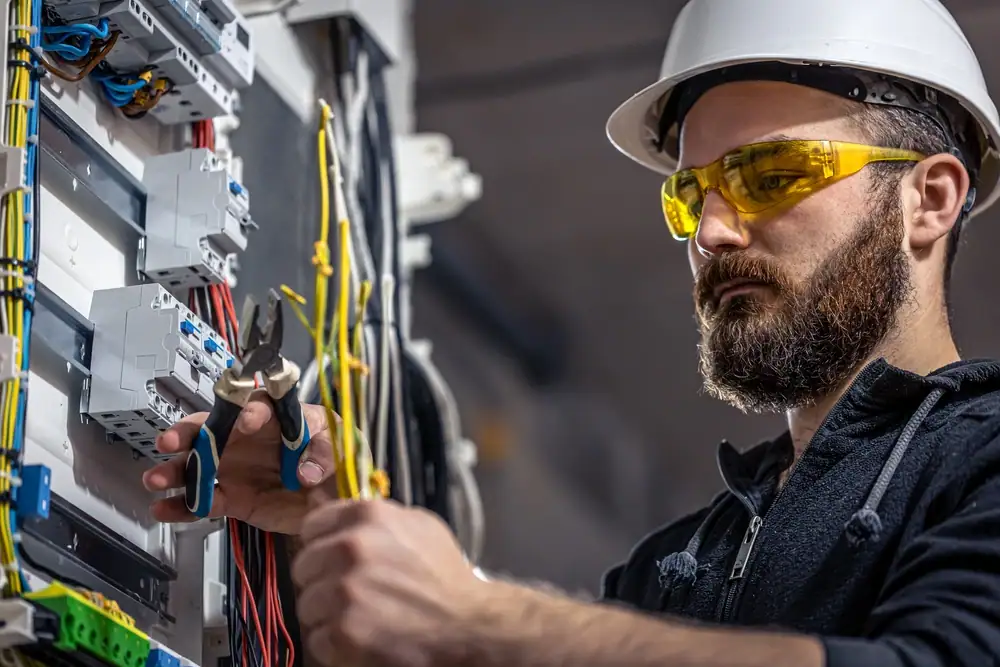
Standard electrical work in Manhattan runs $42-$63 per hour depending on the job. That covers most repairs, outlet installations, and electrical inspections during normal business hours.
Emergency electrical service costs more because you’re calling outside normal hours and need immediate help. Expect $150-$200 per hour for emergency calls. That’s not price gouging—it’s what it costs to have a licensed electrician drop everything and show up at your house when your power goes out at night.
Bigger jobs like electrical panel upgrades run $2,000-$4,000 depending on your home’s size and what needs updating. If you’re adding circuits for an EV charger or upgrading from a 100-amp to a 200-amp panel, the cost includes permits, materials, and labor. Those aren’t small numbers, but they’re a lot less than what you’d pay after an electrical fire.
You need a licensed electrician for anything behind your walls or inside your electrical panel. That’s not us trying to scare you into hiring us—it’s because electrical work kills people who don’t know what they’re doing.
Changing a light fixture or replacing an outlet cover? You can probably handle that. Figuring out why your breaker keeps tripping or why you smell burning near your electrical panel? That requires someone who knows how to work with live electricity without getting hurt or burning your house down.
Licensed electricians in Manhattan, IL carry insurance that protects you if something goes wrong. We know local electrical codes. We pull permits when they’re required. And we’ve spent years learning how to diagnose electrical problems that aren’t obvious. When you try to save money by skipping the electrician, you usually end up paying more to fix what went wrong plus the original problem.
Flickering lights when you turn on appliances mean your electrical system is struggling to handle the load. That’s usually a circuit problem or a sign your panel is undersized for your home’s needs.
Burning smells near outlets or your electrical panel are emergencies. That smell means something is overheating—wires, connections, or components that are about to fail. Turn off power to that area and call an electrician immediately. This is how electrical fires start.
Breakers that trip constantly are telling you something’s wrong. Maybe you’re overloading the circuit, or maybe there’s a short in your electrical wiring. Outlets that don’t work, switches that spark, or panels that feel warm to the touch all need electrical repairs before they become bigger problems.
A basic electrical inspection for a standard Manhattan home takes 2-3 hours. We’re checking your electrical panel, testing outlets, looking at your wiring where it’s visible, and making sure everything meets current safety standards.
Older homes take longer because there’s usually more to inspect and more problems to document. If your house was built before 1980, your electrician needs to check for aluminum wiring, outdated panels, ungrounded outlets, and other issues common in older electrical systems.
You’ll get a written report that explains what we found and what needs fixing. Some things are urgent safety issues. Others are updates you should plan for but don’t need to panic about. A good electrical inspection gives you a roadmap for keeping your home’s electrical system safe and functional.
Yes, but your home needs to support it first. EV chargers need dedicated 240-volt circuits, and many Manhattan homes don’t have the electrical capacity to add that load without upgrading the panel.
If you have a 100-amp electrical panel and you’re already running your HVAC, kitchen appliances, and other systems, adding an EV charger could push you over your limit. That means tripped breakers, potential fire hazards, and a charger that doesn’t work reliably. About 20% of homes need electrical panel upgrades before they can safely install EV charging.
We check your current electrical load, look at your panel capacity, and tell you what’s required. Sometimes it’s just adding a circuit. Sometimes you need a panel upgrade first. Either way, you’ll know what it takes and what it costs before we start work. EV charging installation isn’t something you want done wrong—it’s a major electrical load that needs proper planning.
Emergency electrical service means you’re dealing with something dangerous or critical right now. Complete power outages, burning smells, sparking outlets, or electrical panels that are hot to the touch—these can’t wait until Monday morning.
Regular electrical service is scheduled work. Adding outlets, upgrading lighting, electrical inspections, or planned electrical repairs that aren’t safety hazards. You can book these during normal hours and they cost standard rates.
The difference in cost reflects the difference in urgency. Emergency calls cost $150-$200 per hour because we’re responding immediately, often outside business hours. Regular service runs $42-$63 per hour because it’s scheduled work during normal times. If you’re not sure whether your problem is an emergency, call and describe what’s happening. We’ll tell you if it needs immediate attention or if it can wait for a scheduled appointment.