Thinking about home EV charging but not sure what it actually costs? Here's what Cook County homeowners are really paying — and what affects the final number.
Share:
Summary:
If you just bought an electric vehicle — or you’re seriously thinking about it — the charging question comes up fast. And when you start searching for answers on cost, you get a range so wide it’s almost useless. Five hundred dollars. Five thousand dollars. Somewhere in between. That spread doesn’t help you plan anything.
What actually determines the cost is your home’s specific electrical setup, your garage layout, and whether the contractor you hire is quoting you the full picture or just the easy part. This page gives you real numbers, explains what drives them, and helps you understand what a complete, honest quote should include — specifically for homeowners here in Cook County, IL.
The honest range for a home EV charger installation in Cook County runs from about $800 to $2,500 for most homeowners. That covers the charger equipment itself, the labor to install it, the dedicated 240-volt circuit, and the permits required by your municipality. If you already have a 240-volt outlet in your garage — the kind used for a dryer or large appliance — the cost can drop closer to $500 to $800, because the heavy electrical lifting is already done.
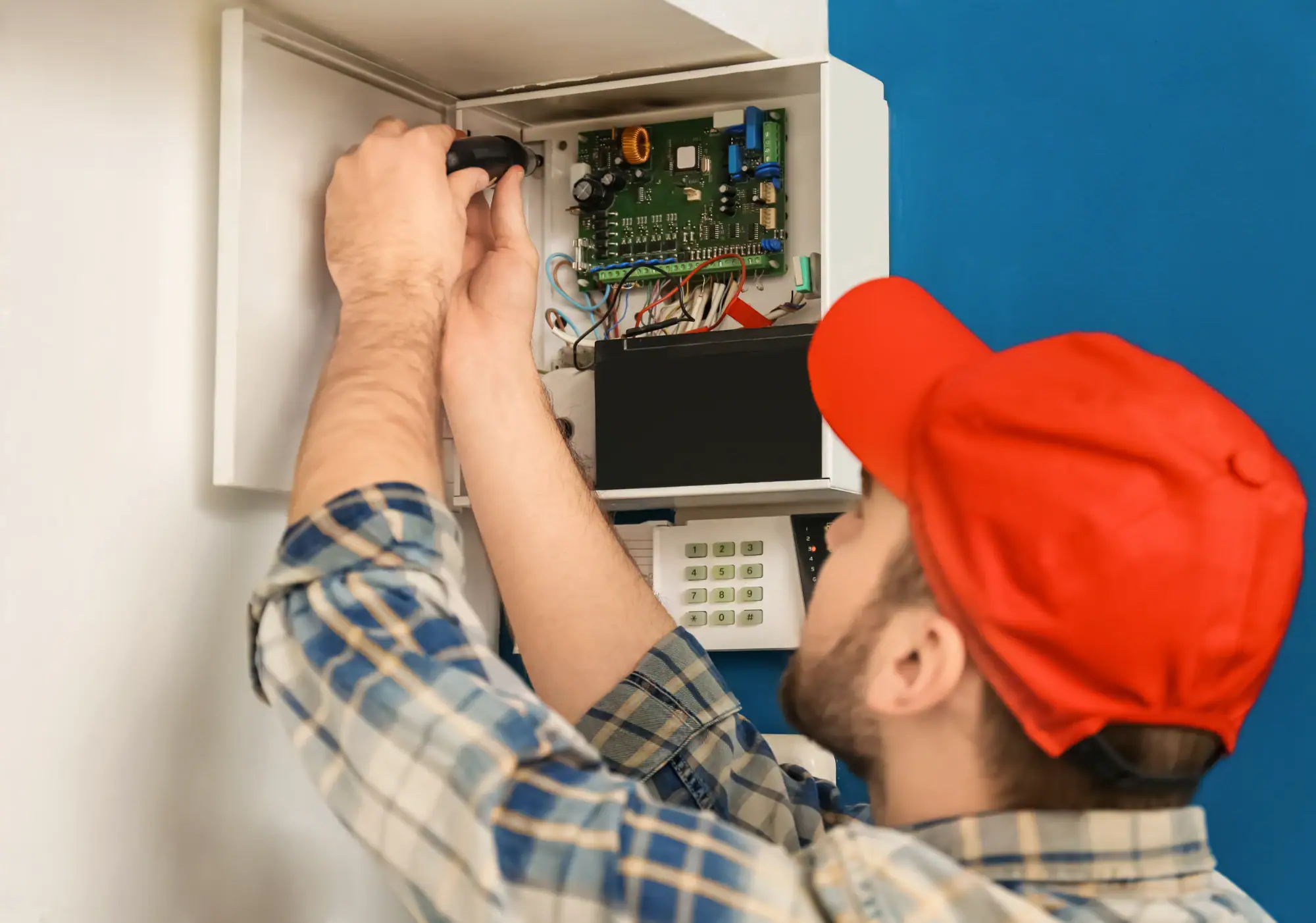
Where things get more complicated is when your home’s electrical panel needs attention before the charger can be safely added. Older homes in Cook County — think bungalows and two-flats in Chicago proper, or ranch homes in the inner suburbs built in the 1950s and ’60s — often have 100-amp or even 60-amp panels. A 60-amp panel will need to be upgraded, full stop. A 100-amp panel depends on what else is already running through it. A proper load calculation tells you which situation you’re in before any money changes hands.
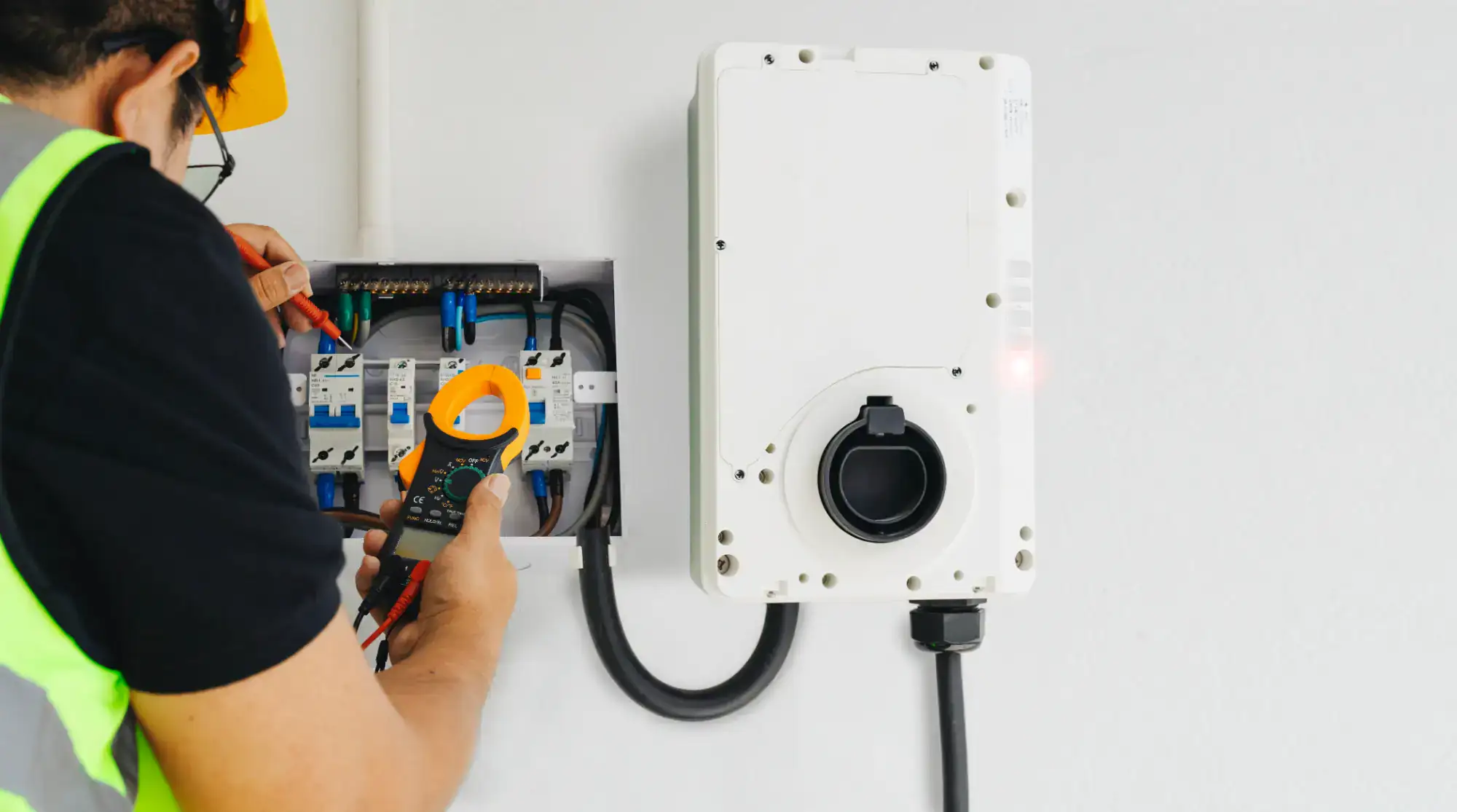
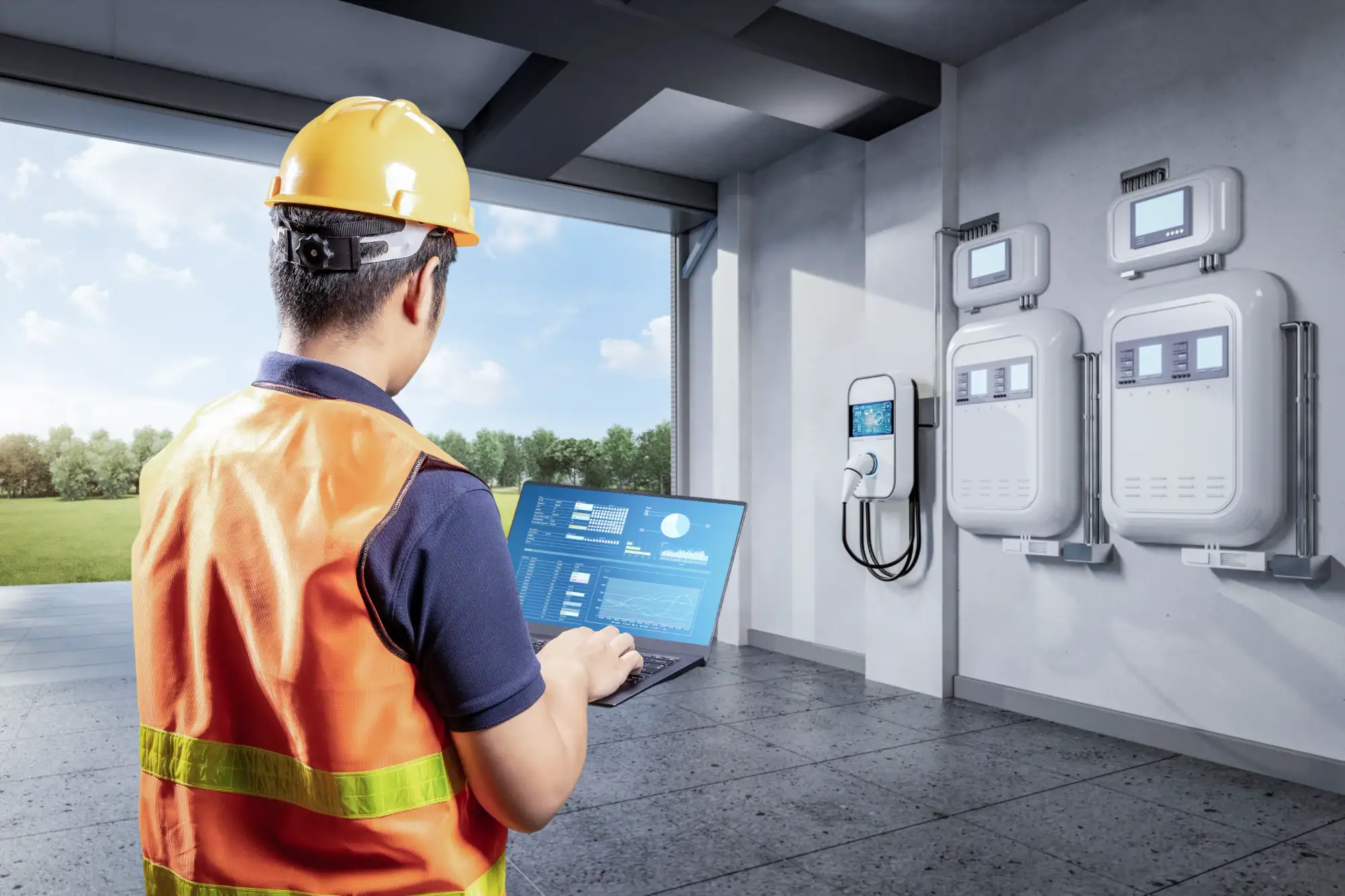
A Level 2 charger operates on 240 volts — the same voltage as a dryer or electric range — and adds roughly 25 to 45 miles of range per hour of charging. Compare that to the standard 120-volt outlet your EV came with an adapter for, which adds maybe 3 to 5 miles per hour. For most people driving 30 to 50 miles a day, Level 1 charging works fine until it doesn’t — and in a Chicago winter, it really doesn’t. Cold temperatures can cut your EV’s range by 20 to 40 percent, which means you’re losing range overnight even while it’s plugged in.
On the equipment side, a basic Level 2 charger runs $400 to $800. Smart chargers with Wi-Fi connectivity, energy monitoring, and scheduling features — the kind that qualify for ComEd rebates — typically run $600 to $1,200. The charger brand matters less than whether it’s UL-listed and ENERGY STAR certified, because those certifications are what unlock the utility rebates available to Cook County homeowners.
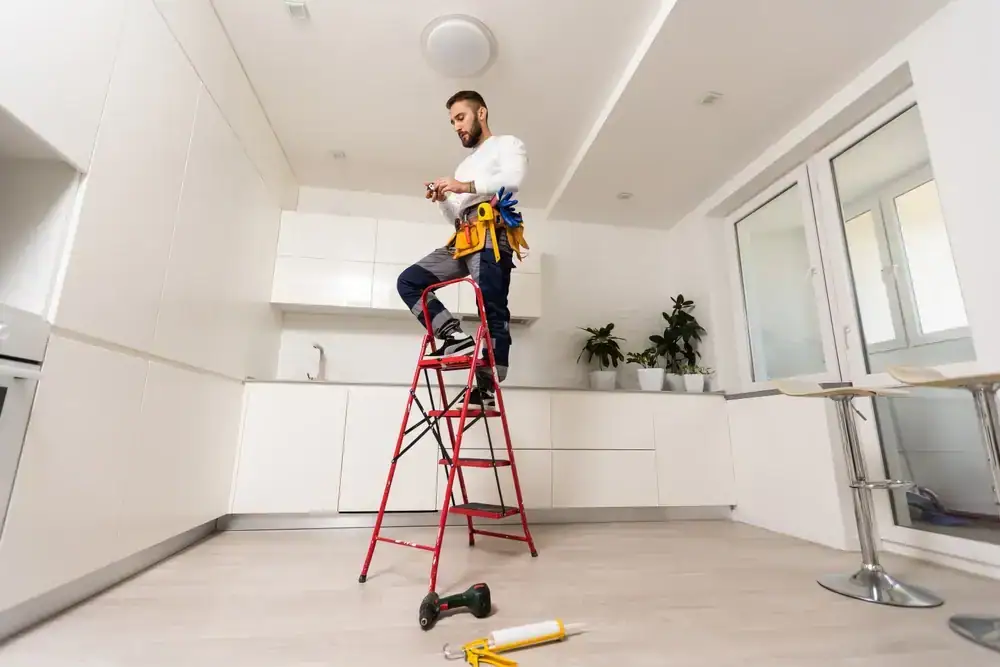
Labor to install a Level 2 charger runs $500 to $2,000 depending on how far the panel is from where you want the charger mounted, whether the run requires conduit through finished walls or ceilings, and whether additional circuit work is involved. This is where quotes can diverge significantly. A quote that looks low often excludes permits, conduit, or the cost of a dedicated breaker. A complete quote accounts for all of it — equipment, labor, wiring, breaker, permits, and the inspection fee your municipality charges. In Cook County, permits and inspections typically add $50 to $300 to the project, and they’re not optional. They’re required.
One thing worth knowing: Cook County spans 135 municipalities, and each one runs its own permitting and inspection process. The City of Chicago operates under its own electrical code, which differs in specific ways from the National Electrical Code used in the suburbs. We’ve worked across these municipalities for years and have established relationships with local inspection departments, which means we move through that process faster and without the surprises that come from unfamiliarity.
This is the question that makes most homeowners nervous, and understandably so. The short answer is: most don’t need one, but some do, and the only way to know for certain is a load calculation performed before any work starts.
If your home has 200-amp service — which is standard in most construction from the 1980s onward — you’re likely fine. A Level 2 charger draws 30 to 50 amps depending on the model, and a 200-amp panel with normal household loads typically has room for that. If you’re running central air conditioning, an electric water heater, an electric stove, and an electric dryer all under a 100-amp panel, adding an EV charger pushes things into territory where a load calculation becomes critical. If you have a 60-amp panel, an upgrade is necessary regardless.
Panel upgrades run $1,500 to $3,000 in Cook County, depending on the scope of work and your municipality’s requirements. That’s a real cost, and it’s one that should be identified and disclosed before you commit to anything — not discovered mid-project. The older housing stock in communities like Berwyn, Cicero, and parts of Chicago’s northwest side is where this comes up most frequently. Homes built before 1970 are the ones most likely to need attention.
Here’s the thing about panel upgrades: if your home does need one, it’s not a bad outcome. A 200-amp panel upgrade improves your home’s overall electrical capacity, supports modern appliances safely, and adds value to the property. It’s also something you’d eventually need to address regardless of the EV charger. The charger just makes the timing clearer. What matters is that you know about it upfront, with a clear number attached, before you’ve agreed to anything.
Want live answers?
Connect with a Jimco Electric expert for fast, friendly support.
The installation cost is a one-time number. The charging cost is something you’ll pay every month for as long as you own the car. That math is worth doing before you decide whether home installation is worth it.
At Illinois electricity rates — roughly $0.18 per kilowatt-hour — a full charge on a typical 72 kWh battery costs about $13 at home. That same charge at a public DC fast charger runs $22 to $43 depending on the network and location. For a driver covering 12,000 to 15,000 miles a year, home charging saves $800 to $1,500 annually compared to relying on public stations. Most homeowners recover their installation cost within two to three years.

If you charge at home every night and drive an average amount, your monthly electricity bill increase will typically land between $30 and $60. That’s based on Illinois rates and a vehicle getting roughly 3 to 4 miles per kilowatt-hour of efficiency. It’s less than most people expect, and it’s dramatically less than what public charging costs over the same period.
ComEd, which serves the majority of Cook County, offers Time-of-Use rate programs that let you charge during off-peak hours — typically overnight — at a lower per-kilowatt-hour rate. If you set your charger to run between midnight and 6 a.m., your monthly charging cost drops further. Smart Level 2 chargers make this easy because you can schedule charging directly from an app. You set it once, and the car is full every morning without you thinking about it.
This is also where the Level 1 versus Level 2 distinction becomes practical rather than theoretical. A Level 1 charger might add 40 to 50 miles of range overnight in moderate weather. In January in Cook County, when temperatures drop below 20 degrees and your battery is losing range just sitting in a cold garage, that same overnight charge might net you 20 to 30 miles of usable range by morning. A Level 2 charger running for the same number of hours adds 200 miles or more. For anyone commuting into the city or driving regularly through the suburbs, that difference isn’t minor.
The sticker price on EV charger installation is not what most Cook County homeowners end up paying, and that’s worth understanding before you assume the project is out of budget.
ComEd offers a residential rebate of up to $3,750 for qualifying homeowners who install a smart Level 2 charger — one that’s ENERGY STAR certified and NRTL certified. The rebate amount varies based on income qualification, but even at the base level, it’s a meaningful reduction. On top of that, the federal Section 30C tax credit covers 30 percent of your equipment and installation costs, up to $1,000, for homeowners in qualifying census tracts who use the property as their primary residence. You claim it with Form 8911 when you file your taxes.
If you’re in the Naperville area — which sits on the border of Cook and Will County and falls within our service territory — the City of Naperville adds its own rebate of up to $500 for Level 2 installation. Stack that with ComEd and the federal credit, and a project that starts at $1,500 can realistically come down to $800 or less out of pocket.
The important caveat: rebates require that the work be done correctly, by a licensed electrician, with permits pulled and inspections passed. Installations done without permits — or by unlicensed contractors cutting corners — don’t qualify. Beyond the rebate issue, unpermitted electrical work creates real problems when you sell your home, and it can void your homeowner’s insurance coverage if something goes wrong. The permit isn’t bureaucratic overhead. It’s protection.
Illinois also has a broader EV rebate program offering up to $4,000 on the purchase of a new or used all-electric vehicle, with new cycles opening periodically. If you’re buying an EV and installing a charger in the same period, you may be eligible for both the vehicle rebate and the charger installation incentives simultaneously.
The most important thing you can do before hiring anyone is make sure the quote covers everything — equipment, labor, dedicated circuit, permits, inspection fees, and any panel work identified during the assessment. A quote that leaves those out isn’t a lower price. It’s an incomplete picture that leads to a higher final bill.
A complete installation in Cook County typically runs $800 to $2,500. If your panel needs upgrading, add $1,500 to $3,000. After incentives, many homeowners land between $800 and $1,500 out of pocket. Those are real numbers, not estimates pulled from a national average that has nothing to do with your specific home and municipality.
We’ve been doing this work in Cook County since 1999. We know the permitting process in the municipalities we serve, we pull permits before work starts, and we don’t hand you a surprise at the end. If you want a straight answer on what your home’s EV charger installation will cost — including whether your panel needs any attention — reach out to us and we’ll give you a clear picture before you commit to anything.
Article details:
Share:
Continue learning: