Thinking about installing a home EV charger? Here's what the quote you get online probably won't include — and why it matters before you commit.
Share:
Summary:
You did your research. You found a charger you like, got a rough quote online, and figured you’d be up and running in a weekend. Then the electrician showed up, took one look at your panel, and the number changed. If that sounds familiar — or if you want to make sure it never happens to you — this is worth reading. Installing an EV charging station at home involves more moving parts than most people expect, especially here in Cook County where permit requirements, older housing stock, and utility rebate rules all factor into the final bill. Here’s what to know before you start.
The national average for a Level 2 home EV charger installation runs somewhere between $850 and $2,700. In the Chicago suburbs and across Cook County, most homeowners end up in the $1,800 to $3,000 range once everything is factored in. That gap between the low end and the high end isn’t random — it comes down to a handful of variables that don’t always show up in the first quote you receive.
The charger unit itself is just one piece. Labor, permits, inspection fees, wire run distance, and whether your electrical panel can handle the load all affect the final number. Throughout Cook County, where homes from the 1950s through the 1980s make up a significant portion of the housing stock, panel limitations are a common and often expensive surprise.
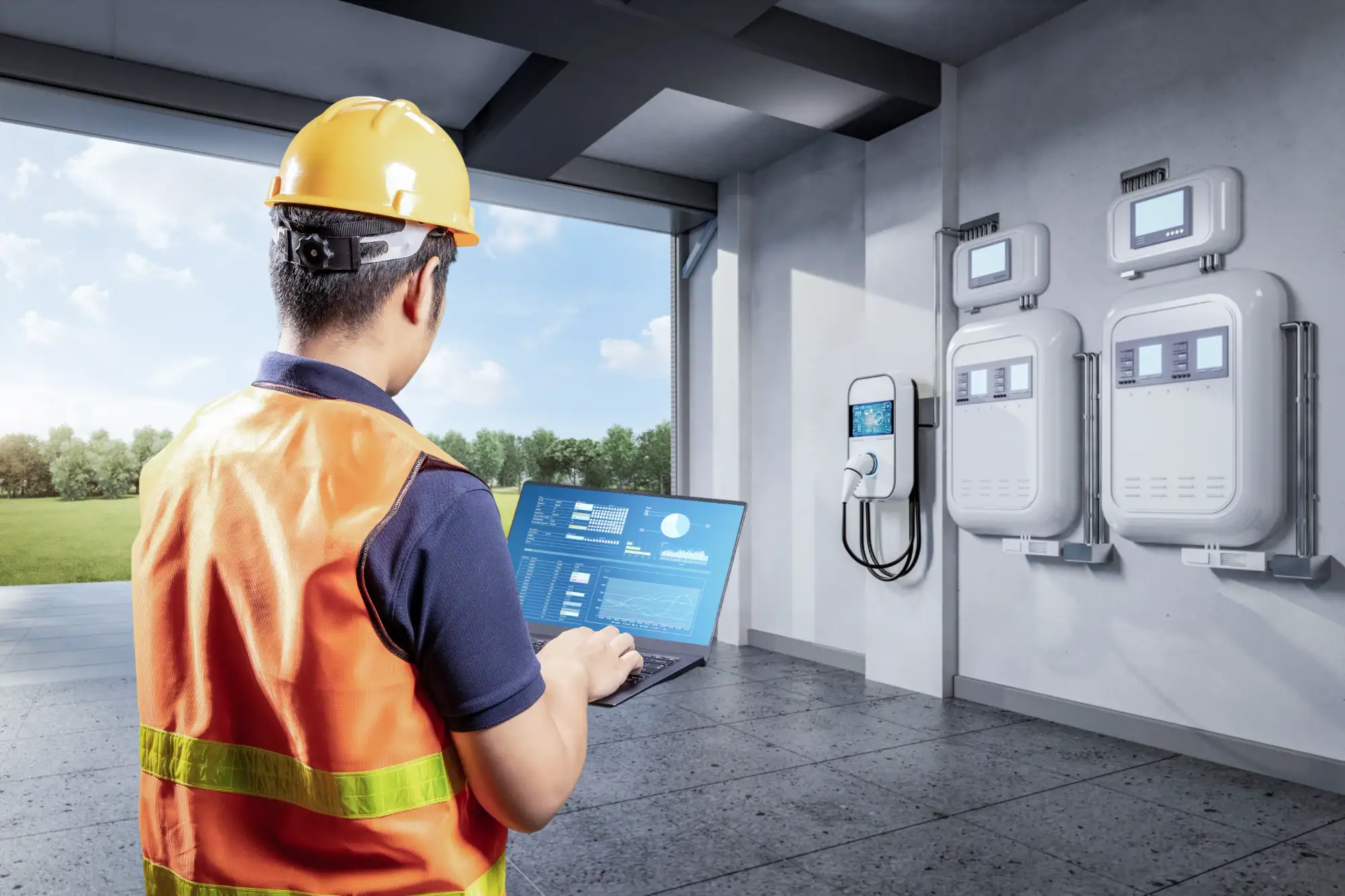
Here’s the part that catches a lot of homeowners off guard: roughly 40% of EV charger installations in older Illinois homes require an electrical panel upgrade before the charger can even be safely installed. Many homes built before 1990 were wired with 100-amp or 150-amp service — which made sense at the time, but wasn’t designed to handle a modern home’s electrical load plus a Level 2 EV charger drawing 30 to 50 amps on top of everything else.
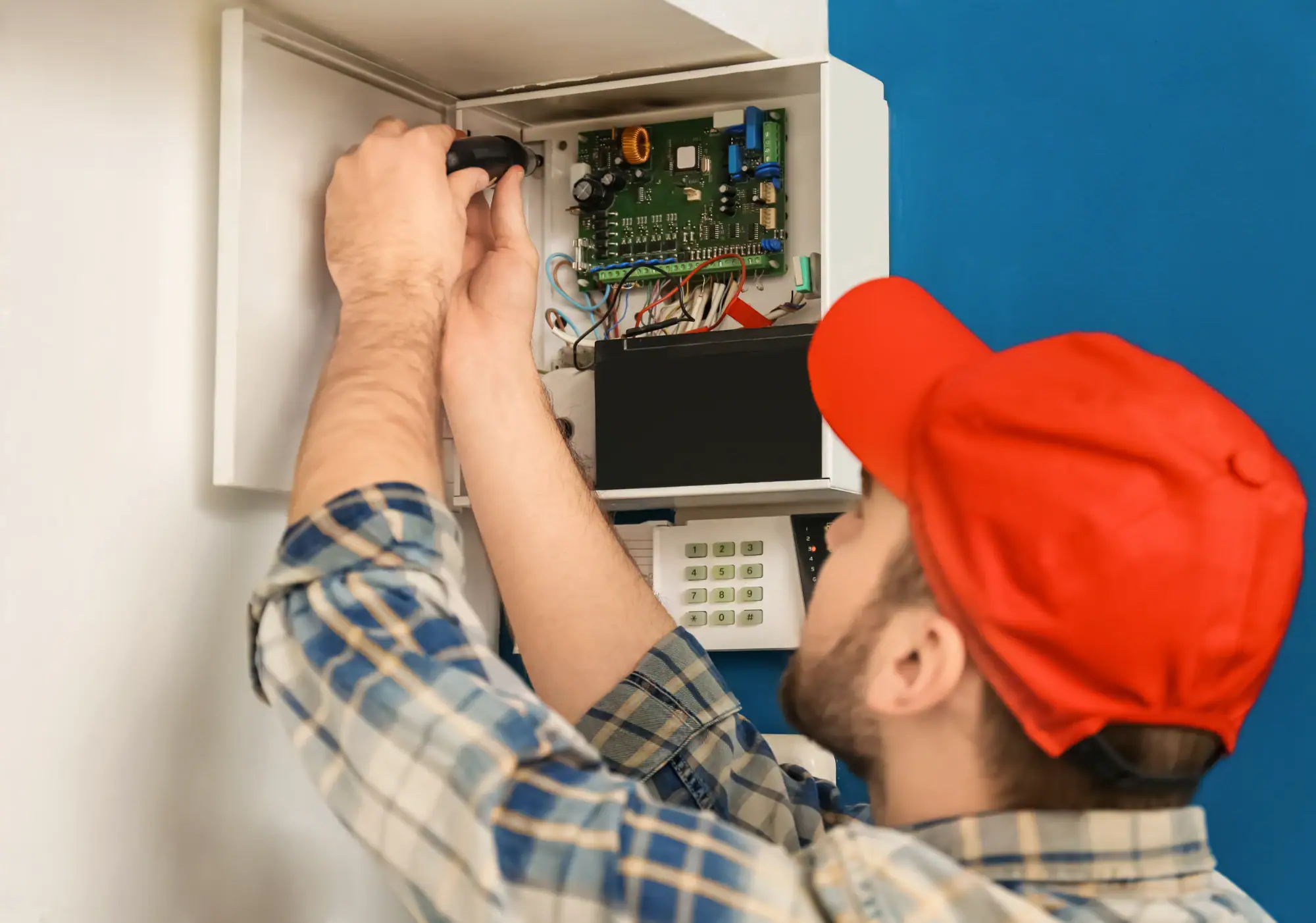
A panel upgrade typically adds $500 to $3,000 to the total project cost, depending on the scope. That’s not a number that shows up in a generic online estimate, and it’s not something you can predict without actually evaluating the panel first. This is why we assess your panel capacity before recommending equipment — not after you’ve already purchased a charger.
The load calculation is the step that makes this possible. Under NEC Article 220, electricians are required to calculate the total electrical demand on your home’s system before adding a new circuit. This isn’t optional paperwork — it’s the only way to know whether your panel can safely handle the addition or whether an upgrade is needed. Skipping this step is how a $1,500 installation turns into a $4,000 correction.
If you live in an older home in communities like Skokie, Tinley Park, Orland Park, or similar suburbs across Cook County, there’s a reasonable chance your panel will need attention. That doesn’t mean the project isn’t worth doing — it just means you need a complete picture of the cost before you commit, not a partial one.
Cook County is made up of 134 municipalities, and each one has its own permitting process. That’s not an exaggeration — Skokie, Chicago, Evanston, and Oak Lawn all have different requirements, different fee structures, and different inspection timelines. A Level 2 EV charger installation requires an electrical permit in virtually every one of them, and skipping that step is one of the more costly mistakes a homeowner can make.
In Skokie, for example, you’re looking at a $75 building permit plus a circuit upgrade fee, and all inspections have to be completed before any utility rebate payment is issued. In the City of Chicago, the process involves more detailed electrical plans and stricter documentation requirements. Across suburban Cook County, permit fees generally run between $50 and $300. Not enormous on their own — but they’re also not included in the flat-rate estimates you’ll find on comparison sites.
Why does this matter beyond the cost? Because unpermitted electrical work creates real liability. If something goes wrong — a fire, a circuit failure, water damage traced back to the charger — your homeowner’s insurance may deny the claim if the work wasn’t permitted and inspected. When you go to sell your home, unpermitted work shows up in buyer inspections and can delay or derail the sale entirely. The permit isn’t bureaucratic friction; it’s the documentation that protects your investment.
We handle the permit process for you — we know Skokie’s requirements as well as Chicago’s, and every suburb in between. It’s not just convenience. It’s one less thing that can go wrong.
Want live answers?
Connect with a Jimco Electric expert for fast, friendly support.
The hidden costs of EV charger installation aren’t inevitable — they’re the result of incomplete quotes and skipped steps. The homeowners who end up with surprise bills are usually the ones who hired based on the lowest number without asking what that number included.
A complete, honest quote for EV charger installation should break out the charger unit, labor, permit fees, inspection costs, and any panel work separately. If a quote doesn’t mention permits or panel assessment, that’s not because those things don’t apply — it’s because they haven’t been addressed yet. And they will be, eventually, usually mid-project when your options are limited.
It’s tempting to go with the lowest bid, especially when multiple quotes are coming in at different numbers. But the cheapest quote and the most complete quote are rarely the same thing. Low bids often exclude permit fees, assume your panel is fine without checking, and don’t account for wire run distance or inspection requirements. When those variables surface mid-project, you’re not in a position to shop around — the work has already started.
There’s also the question of licensing. Illinois law requires EV charger installers to comply with ICC certification requirements, and only licensed electrical contractors can pull the permits that make the installation legal. An unlicensed installer might offer a lower price, but the work they do can void your charger’s warranty, expose you to insurance liability, and require expensive corrections by a licensed electrician to bring it up to code. That’s not a hypothetical — it happens often enough that it’s worth asking for proof of licensing before anyone starts work.
The 2026 NEC update (Section 625.4) will make it explicitly illegal in most adopting states to install a permanently mounted EV charger without a licensed electrician. Illinois already has similar requirements on the books. The point is to make clear that this isn’t a job where cutting corners saves money. It shifts costs, and usually increases them.
When you’re comparing quotes, the right question isn’t “who’s cheapest?” It’s “what does this quote actually include?” A $1,200 quote that covers everything is a better deal than a $900 quote that doesn’t mention permits, panel assessment, or inspection fees.
Here’s the part of the EV charging station cost conversation that actually works in your favor — if you do it right. As a ComEd customer in Cook County, you may be eligible for up to $3,750 back on a qualifying residential EV charger installation. The federal tax credit adds another 30% of installation costs, up to $1,000. Combined, these incentives can meaningfully reduce what you’re actually out of pocket.
The catch is that the rebates aren’t automatic. ComEd’s program requires a licensed contractor, a qualifying smart charger, completed inspections, and proper documentation. If any of those pieces are missing — wrong charger type, unlicensed installer, skipped inspection — you may not qualify for any rebate at all. The homeowners who miss out on these programs usually didn’t do anything wrong intentionally; they just didn’t know the requirements going in.
This is another reason the “just find the cheapest installer” approach tends to backfire. A contractor who understands the ComEd rebate process and handles the documentation as part of the job is saving you real money — potentially thousands of dollars — not just completing a circuit. The rebate doesn’t come to you automatically; someone has to make sure the installation qualifies for it.
One more thing worth knowing: Cook County winters are genuinely hard on EV batteries. Sub-freezing temperatures can reduce your vehicle’s range by 20 to 40 percent. A properly installed Level 2 charger — which charges roughly eight times faster than a standard 120-volt outlet — isn’t just a convenience in this climate. It’s often the difference between a car that’s ready to go in the morning and one that isn’t. Getting the installation right, with the right equipment and the right electrical capacity behind it, matters more here than it does in warmer markets.
The real cost of installing a home EV charging station in Cook County comes down to one thing: whether you get a complete picture upfront or find out the details mid-project. Panel capacity, permit fees, load calculations, inspection requirements, and rebate eligibility all affect the final number — and none of them are optional. They’re either addressed before the work starts or they surface as surprises after it does.
The homeowners who end up satisfied with their installation are usually the ones who asked the right questions early, worked with a licensed contractor who handled the permits, and got a quote that actually reflected the full scope of the project.
If you’re planning an EV charger installation in Cook County and want to know what it will actually cost — including any panel work, permit fees, and how to qualify for available rebates — we’ve been doing this work in this area for 25 years. Reach out for a complete, upfront quote before anything starts.
Article details:
Share:
Continue learning: