Summer is the worst time to find out your panel can't handle both AC and a new EV charger. Here's when to install—and why timing matters more than most people think.
Share:
Summary:
You bought the EV. You’ve been plugging into the standard outlet in your garage every night. And you’ve noticed—it’s not really keeping up. That 120-volt Level 1 charger adds maybe 4 miles of range per hour, which sounds fine until you’re commuting 35 miles a day and waking up to a half-charged car.
A Level 2 charger fixes that. It runs on a dedicated 240-volt circuit and adds 20 to 30 miles of range per hour—enough to fully charge most EVs overnight, every night. The question most Cook County homeowners don’t think to ask isn’t whether to install one. It’s when. And that answer matters more than you’d expect.
Summer in Cook County is not the time to find out your electrical panel has limits. July heat index values regularly push past 95°F across suburbs from Arlington Heights down to Midlothian, and central air conditioning systems run almost continuously during those stretches. That alone puts a serious load on your home’s electrical system.
Add a Level 2 EV charger to that picture, and the math gets tight fast. A 40-amp charger running alongside a central AC system can push a 100-amp panel close to its ceiling. That’s not a hypothetical—it’s something we see regularly in Cook County homes built in the 1960s and 70s, where the original panel was never designed to carry today’s electrical load.
Here’s what most people don’t realize: EV chargers are classified as continuous loads under the National Electrical Code. That means they have to be calculated at full capacity—no reductions, no averaging. A 40-amp charger counts as 40 amps, all the time it’s running. A central AC system can draw another 15 to 20 amps on top of that. Throw in a refrigerator, lighting, and whatever else is running in a typical Cook County home on a July evening, and a 100-amp panel can be genuinely overwhelmed.
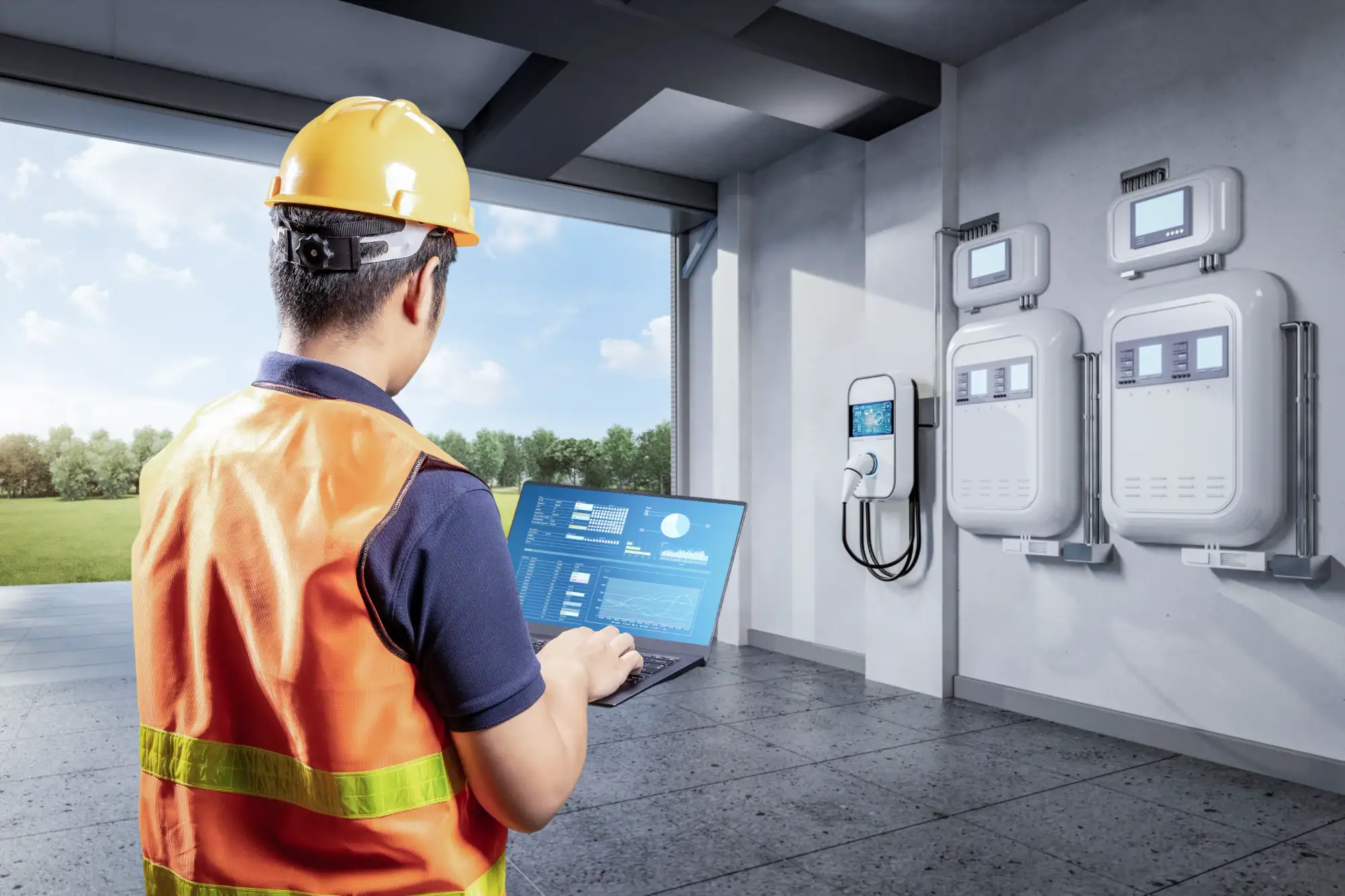
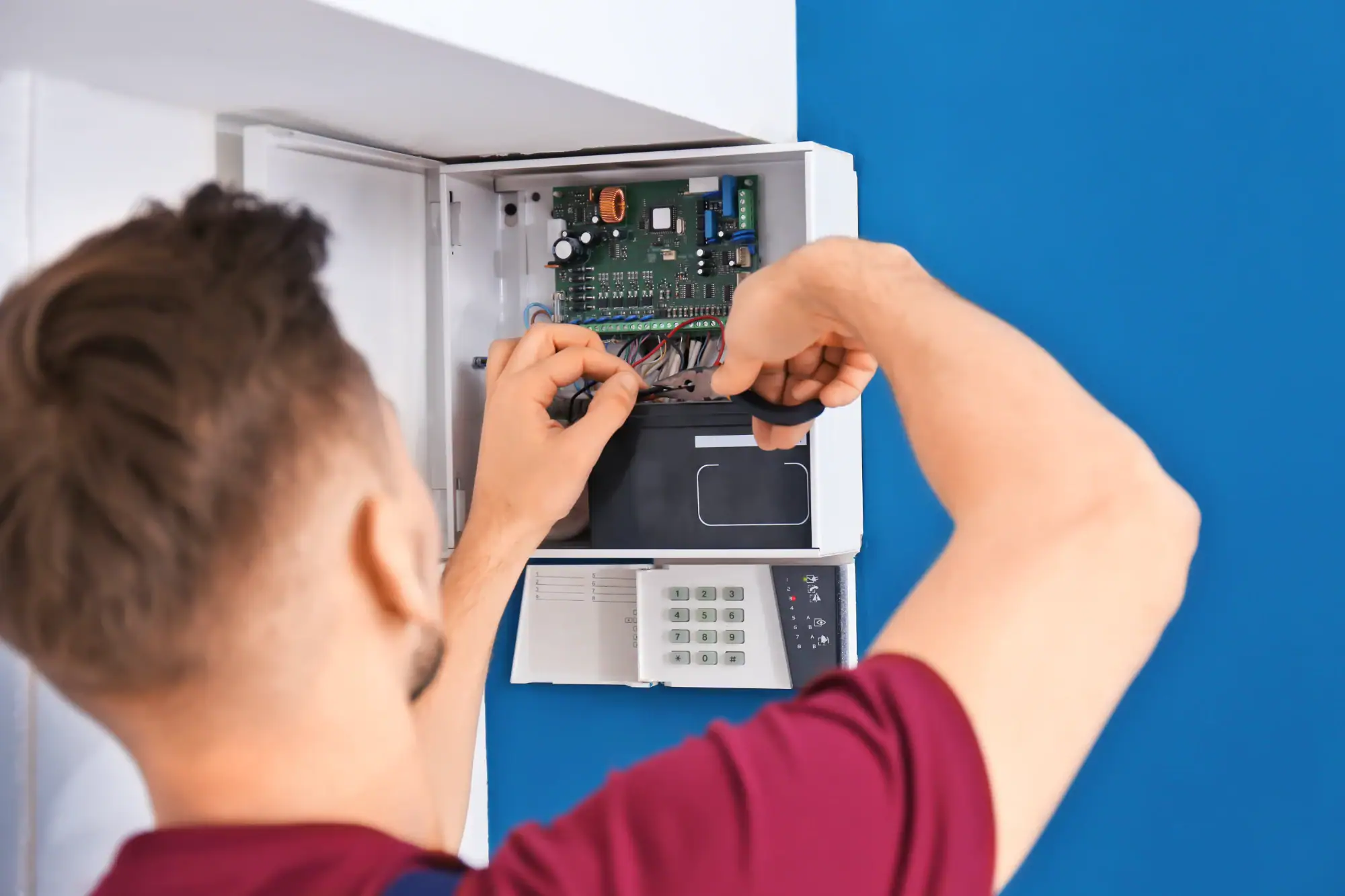
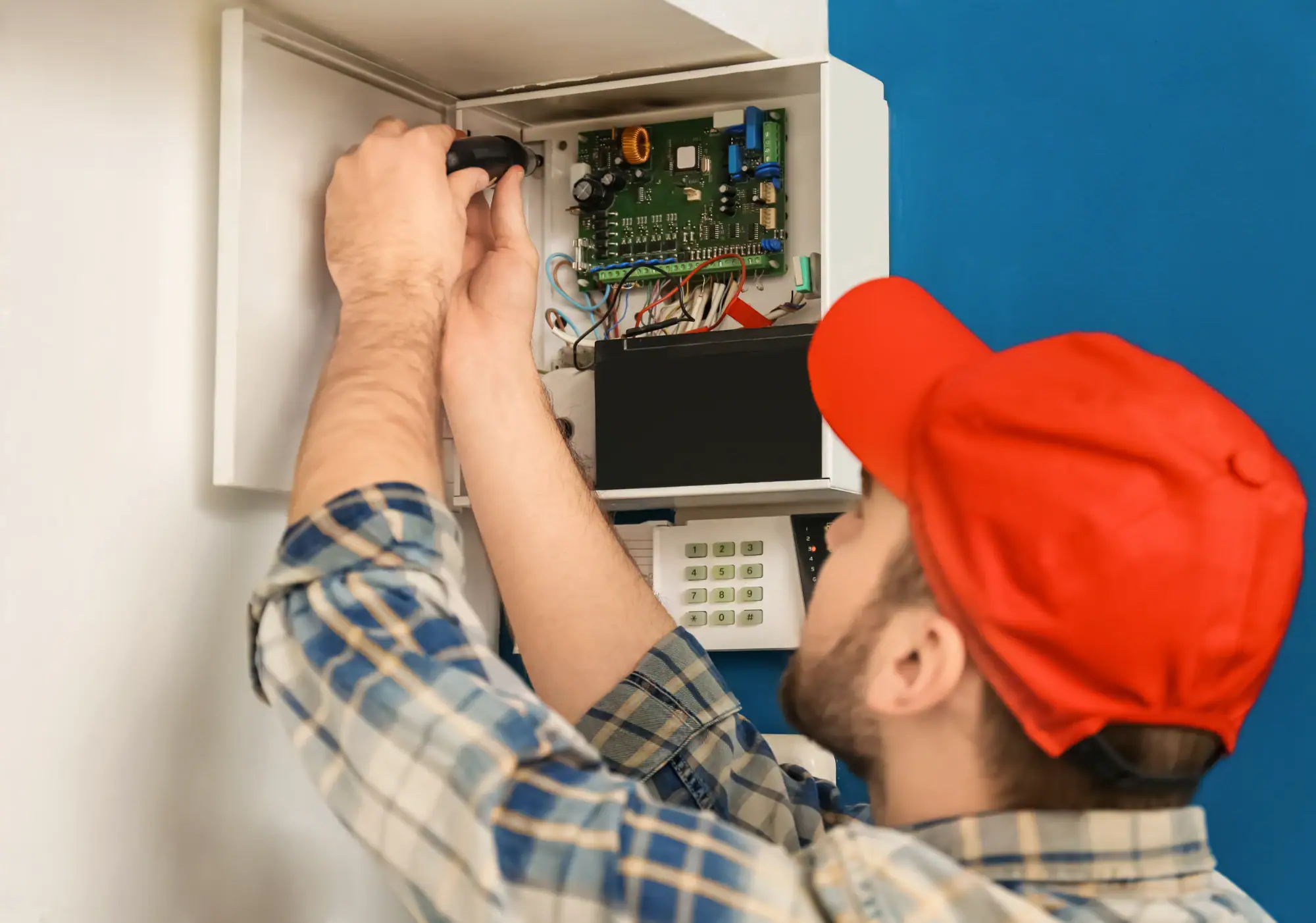
This is why a panel assessment isn’t just a formality before a Level 2 charger installation—it’s the most important part of the job. We look at what your panel is rated for, what’s already connected to it, and whether it can safely absorb a new dedicated 240-volt circuit without putting your home at risk.
For homes in older Cook County suburbs like Oak Park, Evanston, or Schaumburg that were built with 100-amp service, a panel upgrade to 150 or 200 amps is often the right call before installation. It’s not always necessary—plenty of Cook County homes have 200-amp service already and can handle a Level 2 charger without any changes to the panel. But you need someone to actually check before the work starts, not after.
Summer is when electrical problems that were quietly building finally show up. A panel that’s been running fine all winter can start tripping breakers in August when AC demand spikes. If you’re planning a Level 2 charger installation, getting it done in late spring or early summer—before peak demand hits—means the assessment happens when there’s still time to address any panel issues without scrambling.
There’s a practical timing angle that most homeowners don’t think about until it’s too late. If you’re planning summer travel—a road trip to Michigan, a long weekend up to Wisconsin, anything that involves driving your EV a meaningful distance—you want to leave with a full charge. That means your Level 2 charger needs to already be installed, tested, and working before you go.
Booking a Level 2 charger installation in late June or early July, when electricians across Cook County are already fielding a full schedule of summer projects, is a different experience than booking in May. Availability tightens. Lead times stretch. And if your installation reveals a panel issue that needs to be addressed first, you’re now looking at a multi-step project on a compressed timeline.
Early summer—or even late spring—is the sweet spot. The weather is cooperative, electricians are easier to schedule, and you have time to work through any panel considerations before the heat peaks and before your travel plans are locked in. A typical Level 2 charger installation takes two to four hours when everything is straightforward. When a panel upgrade is involved, you’re looking at a larger project that deserves more runway.
There’s also a financial reason to move early. The federal Alternative Fuel Vehicle Refueling Property Credit covers 30% of charger hardware and installation costs, up to $1,000, and it’s available through 2032. ComEd has also run rebate programs for Cook County homeowners—the specifics change, so it’s worth confirming current availability directly—but stacking a federal credit with a utility rebate can meaningfully reduce your out-of-pocket cost. Getting the installation done and documented before the end of the tax year is easier when you’re not rushing.
Want live answers?
Connect with a Jimco Electric expert for fast, friendly support.
The installation itself is more involved than adding a standard outlet, but it’s not a weeks-long project. The process starts with a panel assessment—we look at your current service, calculate the load, and determine whether your panel can support a new dedicated 240-volt circuit. From there, we pull the necessary permits, because Cook County and Chicago both require them for Level 2 installations, and skipping that step creates real problems down the road.
Once permits are in place, we run the circuit from your panel to the installation location—typically a garage—mount the charger, make the final connections, and test everything before we leave. The job usually takes two to four hours when the panel is ready. We handle the inspection coordination too, so you’re not navigating the municipal process on your own.
This is the question that creates the most anxiety for homeowners, and understandably so. The honest answer is: it depends on what you have, and you need someone to look before you can know.
Homes built before the mid-1990s across Cook County’s older suburbs—think the bungalows and ranch homes in Oak Lawn, the postwar builds in Midlothian, the older Craftsman-style homes in Barrington—were frequently wired with 100-amp service. That was appropriate for the electrical demands of the time. It’s often not enough today, especially when you’re adding a continuous 40-amp load for an EV charger on top of a modern household’s baseline draw.
Homes with 200-amp service panels are usually in good shape. The assessment is still important—we’re looking at how much of that capacity is already allocated, not just the panel rating—but a 200-amp service typically has enough headroom to support a Level 2 charger without a full upgrade.
When a panel upgrade is necessary, it adds cost—generally in the $1,200 to $2,500 range depending on the scope—but it also adds value. A 200-amp panel supports not just your EV charger but any future electrical additions: a home addition, a hot tub, a backup generator hookup. It’s an upgrade that pays forward.
The key is knowing before the work starts. We do the assessment first and give you a clear picture of what’s needed and what it costs before any work begins. No surprises mid-job.
Cook County requires permits for all Level 2 EV charger installations. This isn’t bureaucratic fine print—it’s the mechanism that ensures the work is inspected and documented as code-compliant. And it matters more than most homeowners realize until they try to sell their home or file an insurance claim.
Unpermitted electrical work is one of the most common issues that surfaces during real estate transactions in the Chicago suburbs. A buyer’s inspector flags it, the sale gets complicated, and the homeowner ends up paying to have the work redone or retroactively permitted under worse conditions than if they’d done it right the first time. Some homeowner’s insurance policies also have exclusions or complications tied to unpermitted work—it’s worth understanding your policy before assuming a shortcut is worth taking.
Illinois also requires ICC certification for vendors installing EV chargers in the state. This is specific to Illinois and not something every contractor from outside the area will have. It’s one of the reasons local knowledge matters here—an electrician who works regularly in Cook County understands the permit process in each municipality, knows the inspection requirements, and has the certifications the state requires.
We handle the permit application, schedule the inspection, and make sure the work passes the first time. When the wiring is right, the circuit is properly sized, and the installation meets NEC Article 625 requirements, there’s nothing for an inspector to flag.
The timing question has a straightforward answer: earlier is better, and early summer is better than late summer. Getting your Level 2 charger installation done before peak electrical demand season means your panel assessment happens when there’s still time to address anything that comes up. It means you’re not competing for electrician availability in July. And it means you’re driving away on your summer trip with a full charge instead of still waiting on a permit.
The process doesn’t have to be complicated. A proper panel assessment, a clear upfront price, permits pulled and inspections passed—that’s what a well-run installation looks like. We’ve been doing this work in Cook County since 1999, and the homes here, the permit offices here, and the electrical demands here are not a mystery to us.
If you’re thinking about a Level 2 charger installation this season, we’re a good place to start the conversation.
Article details:
Share:
Continue learning: