Everything Cook County homeowners need to know before scheduling an EV charger installation — from panel assessment to permits to what actually happens on installation day.
Share:
Summary:
You just bought an EV — or you’re about to. The dealership mentioned something about a Level 2 charger. A neighbor said you might need a panel upgrade. Someone online said permits are required. Now you’re not sure where to start, who to call, or how much this is actually going to cost.
That uncertainty is completely normal, and it’s exactly what a good consultation is designed to clear up. Before any work starts, you should understand what your home needs, what the process looks like, and what you’ll pay. If an electrician can’t tell you those things upfront, that’s a problem. Here’s what a complete EV installation process actually involves — and what to look for when choosing someone to do it.
A proper EV charger installation isn’t just running a wire and mounting a box. It starts with an honest assessment of your home’s electrical system, and it ends with a charger that’s been inspected, tested, and ready to use on day one.
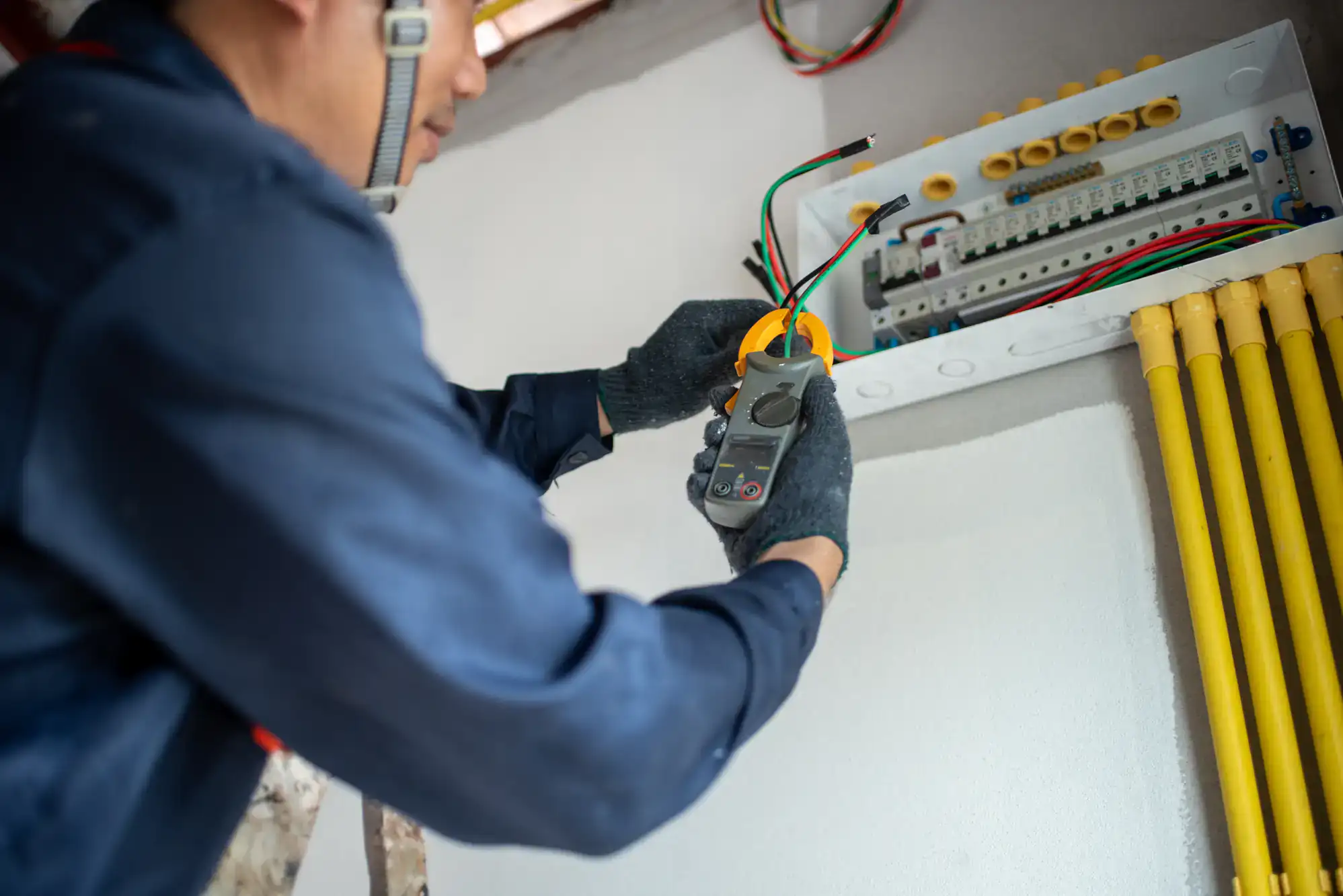
The first step is a panel evaluation. We look at your current electrical panel, calculate the existing load, and determine whether your home has the capacity to support a dedicated 240-volt circuit — which is what a Level 2 charger requires. Most homes with a 200-amp panel have enough capacity without any upgrades. That’s worth saying plainly, because a lot of homeowners assume they’ll automatically need a panel upgrade and brace for a much larger bill than necessary.
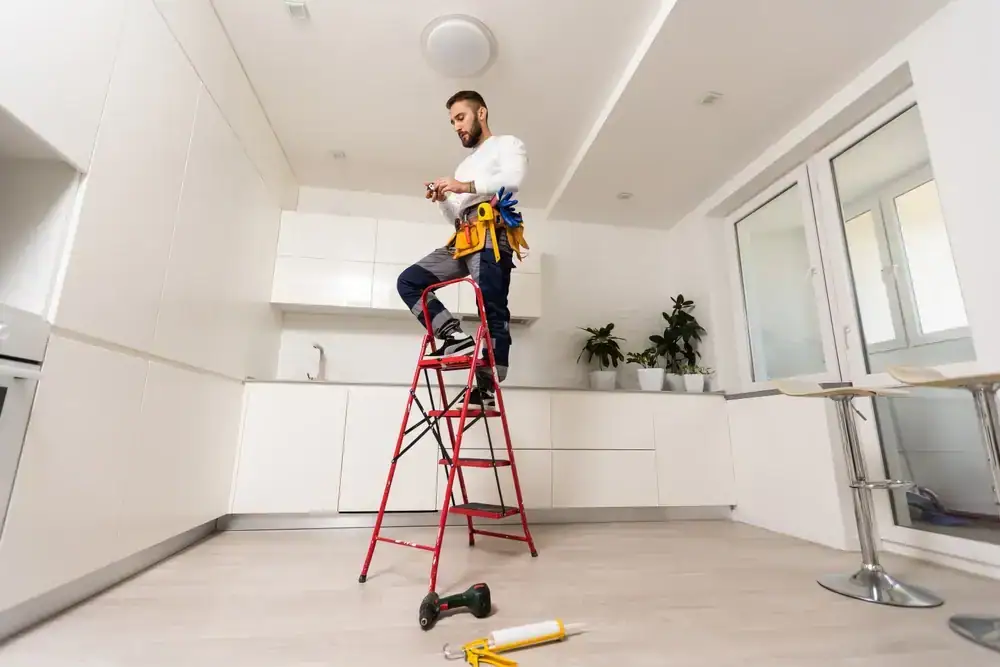
Once capacity is confirmed, we identify the best route for running the new circuit, pull the required permit, complete the installation, and coordinate the inspection. The whole process — from assessment to a fully operational charger — typically takes one visit and two to four hours of work.
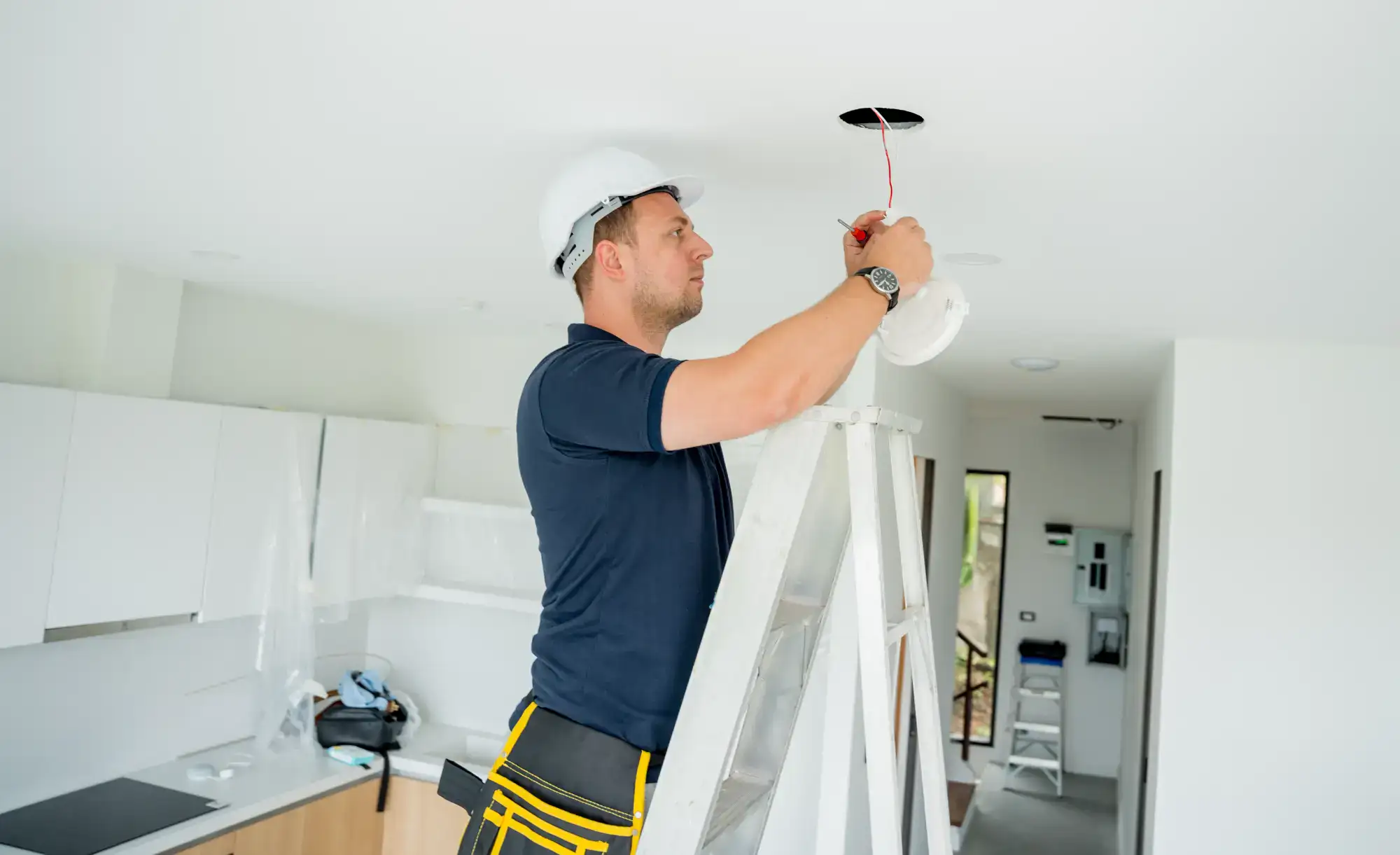
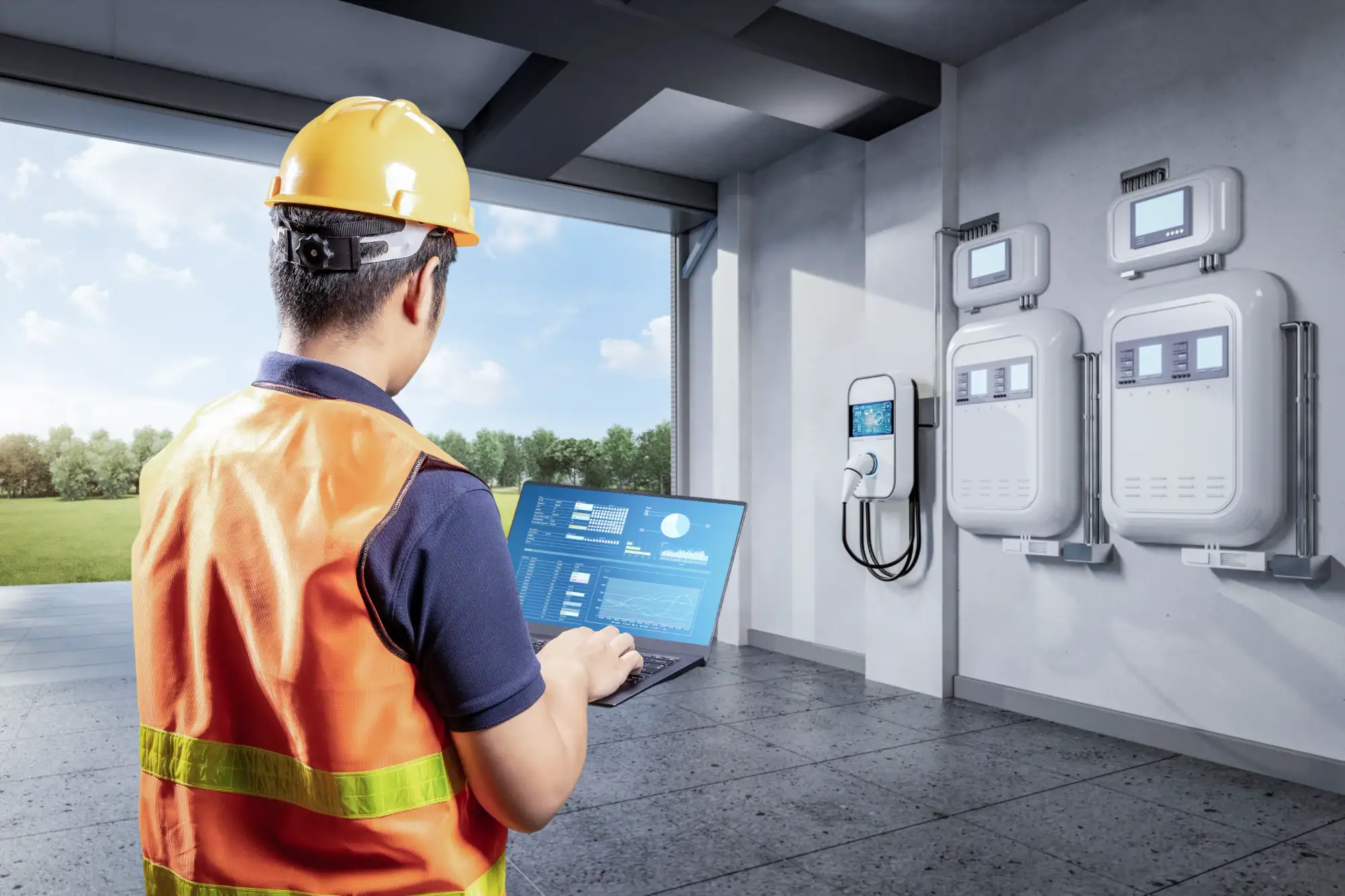
The term “electric car charging point installation” gets used loosely, but what it actually means is installing a dedicated 240-volt circuit from your electrical panel to a wall-mounted EVSE unit — usually in your garage. That circuit runs on its own breaker, sized specifically for the charger you’re installing, and it cannot share space with other appliances. That’s a non-negotiable part of doing this correctly.
The charger itself — sometimes called a Level 2 EVSE — plugs into or is hardwired into that circuit. It charges your vehicle roughly eight times faster than a standard 120-volt outlet, which means you’re looking at a full charge overnight rather than trickling in a few miles per hour while you sleep. For most daily drivers, that’s the difference between home charging being genuinely useful and it being more trouble than it’s worth.
There’s also the question of where the charger gets mounted. If your panel is on the opposite side of the house from your garage, running that circuit costs more and takes longer than if they’re adjacent. We map this out during the initial assessment and give you a clear picture of what the job involves before quoting you a price.
In Illinois, this work requires a licensed electrician, a permit, and a final inspection. It’s not a DIY project — not legally, not safely, and not practically if you want the work to pass inspection or hold up under your homeowner’s insurance policy. The permit process exists to protect you, and we handle all of it so you don’t have to figure out which municipal building department to call.
One more thing worth knowing: Illinois requires that vendors who install EV chargers comply with Illinois Commerce Commission certification requirements. That’s a layer of qualification beyond a general electrical license, and it’s worth confirming before you hire anyone.
This is the question that makes most homeowners nervous, and it deserves a straight answer: probably not, but it depends on your specific panel and your current electrical load.
Here’s the reality. A 200-amp electrical panel that isn’t already running close to capacity can typically support a Level 2 EV charger without any modifications. The charger adds a meaningful load — a 40-amp circuit drawing 40 amps continuously for several hours — but that’s well within the range of what a properly sized modern panel handles. The problem arises when a panel is already heavily loaded, undersized, or aging to the point where it can’t safely take on anything new.
The honest version of this conversation is one where we actually look at your panel before making any recommendations. If someone tells you that you need a panel upgrade before they’ve seen your electrical system, that’s a red flag. A thorough assessment takes the guesswork out of it entirely.
For Cook County homeowners specifically, this matters more than it might in newer construction markets. A significant portion of the housing stock in communities like Matteson, Midlothian, Chicago Heights, and parts of the south and west suburbs was built in the 1950s through the 1970s. Those homes weren’t designed for the electrical loads that are standard today — multiple HVAC systems, electric appliances, home offices, and now EV chargers. That doesn’t mean every older home needs a panel upgrade, but it does mean the assessment step is especially important and shouldn’t be skipped.
When a panel upgrade is genuinely needed, it’s a real cost — typically in the range of $1,500 to $4,000 depending on the scope of work. We tell you upfront whether that’s actually necessary and why, rather than recommending it as a default.
Want live answers?
Connect with a Jimco Electric expert for fast, friendly support.
Cook County isn’t a generic market, and EV charger installation here comes with a few specific considerations that are worth understanding before you schedule anything.
The county encompasses over 130 municipalities, each with its own building department and permitting process. A permit pulled in Oak Park goes through a different process than one in Evanston or Orland Park. We’ve been working in Cook County since 1999, so we know those processes, have existing relationships with local inspectors, and don’t have to figure out the paperwork on your dime. That local knowledge translates directly into faster turnaround and fewer delays.
There’s also the ComEd rebate program to factor in. Cook County falls within ComEd’s service territory, and ComEd has committed $9 million for residential EV charger rebates in 2025. Eligible homeowners can receive up to $3,750 toward the purchase and installation of a qualifying Level 2 smart charger. The program is first-come, first-served, and funds run out every year. Knowing about this before you schedule — and working with an electrician who understands how to help you access it — can make a real difference in your out-of-pocket cost.
If you’re in Evanston, Wilmette, Kenilworth, or anywhere else in Cook County, you already know what winters here feel like. What you might not know is how much cold weather affects your EV’s range — and why that makes a home Level 2 charger significantly more valuable here than in warmer markets.
Cold temperatures reduce EV battery range. Depending on the vehicle and how cold it gets, you can lose 20 to 40 percent of your normal range on the worst days. That’s not a minor inconvenience — it’s the difference between your regular commute being comfortable and it being stressful. A home charger running overnight means you start every morning with a full battery, which is exactly what you want when temperatures are in the single digits and public charging infrastructure is less reliable.
There’s also a thermal management angle. Most modern EVs have battery management systems that pre-condition the battery before you drive, and that process works better when the car is plugged in overnight. Charging at home lets that system do its job without drawing down your range before you’ve even left the driveway.
The practical upshot is this: in a market like Chicago’s suburbs, home charging isn’t just a convenience — it’s genuinely important for getting reliable, predictable performance out of your vehicle year-round. A Level 1 outlet, which adds only three to five miles of range per hour, doesn’t cut it when you’re starting from a reduced baseline on a January morning. A properly installed Level 2 charger on a dedicated circuit changes the picture entirely.
A few questions come up in almost every conversation we have with homeowners who are thinking about EV charger installation. Here are the honest answers.
The most common one is about permits: do you really need one? Yes, in every Cook County municipality, EV charger installation requires an electrical permit and a final inspection. This isn’t bureaucratic box-checking — it’s what ensures the work is safe, code-compliant, and won’t create problems with your homeowner’s insurance or when you eventually sell the house. We handle the permit acquisition and inspection coordination, so you don’t have to figure out which building department to contact or what forms to file.
The second question is about timing. Most homeowners want to know how long the whole process takes. For a standard installation — panel in good shape, garage adjacent to or reasonably close to the panel — the work itself takes two to four hours. We aim to complete it in a single visit, which means no multiple trips, no waiting around between stages, and no disruption that stretches across days.
The third question is about cost, and specifically about whether the final bill will match the quote. We give you the price before we start. Not an estimate that shifts when we open a wall, not a quote with a long list of potential add-ons — a clear number based on an actual assessment of your home. Military members, first responders, seniors, teachers, new customers, and students all qualify for discounts, which is worth mentioning upfront rather than after the fact.
And finally, people ask what happens if something goes wrong after installation. All of our work carries warranty coverage. If there’s an issue with the installation, you call us — the same company that did the work — and we handle it. That’s what 25 years of doing this in the Chicagoland area looks like in practice.
The best time to schedule a consultation is before your EV arrives — not after. ComEd’s rebate funds are limited and distributed first-come, first-served, and getting the assessment done early means your charger is ready on day one rather than day thirty.
What you should walk away from any consultation knowing: whether your panel needs work, exactly what the installation involves, what permits are required, and what you’ll pay. If you don’t have clear answers to those questions, you haven’t had a complete consultation.
We’ve been doing this work in Cook County and the surrounding Chicagoland area since 1999. Every electrician we send is a direct employee — licensed, insured, and accountable to us. No subcontractors, no surprises on the bill, and no work that doesn’t pass inspection. If you’re ready to move forward or just want to understand what your home actually needs, reach out to us and we’ll start there.
Article details:
Share:
Continue learning: